


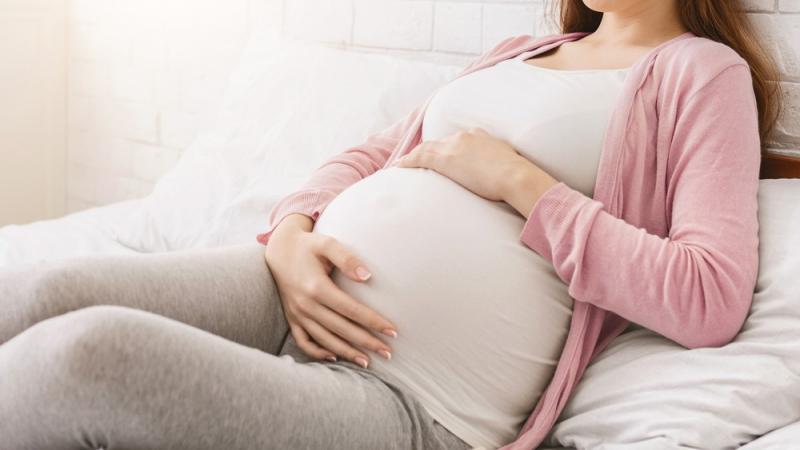
Iron deficiency directly affects the health of both the mother and the fetus. It is one of the most common health issues during pregnancy, as a pregnant woman's body requires larger amounts of iron to produce more hemoglobin, increasing blood volume to ensure oxygen and nutrients reach the fetus properly.
The effects of iron deficiency extend beyond causing fatigue and exhaustion for the mother, potentially impacting fetal growth, birth weight, and increasing the risk of preterm birth. Early diagnosis and adherence to treatment can significantly mitigate these risks, improving both maternal and child health.
Why Do Pregnant Women Need More Iron?
During pregnancy, blood volume significantly increases to meet the needs of both fetus and placenta, necessitating more red blood cells and adequate iron levels.
The fetus uses iron for brain and nervous system development, and producing blood cells, hence the increased daily iron requirement compared to pre-pregnancy levels. Failing to meet these needs can lead to reduced hemoglobin levels and anemia.
How Does Iron Deficiency Affect Pregnant Women?

Persistent Fatigue and Exhaustion
Fatigue is a common symptom due to decreased blood oxygen delivery to muscles and tissues.
Shortness of Breath and Dizziness
Additionally, low hemoglobin levels may cause breathlessness and dizziness even with minimal exertion.
Heart Palpitations
The heart compensates for reduced oxygen by increasing its rate, leading to palpitations or rapid heartbeat.
Weakened Immunity
A deficient immune response to infections could result from low iron levels.
Increased Risk of Postpartum Depression
Research suggests a link between anemia during pregnancy and higher chances of postpartum depression.
The Impact of Iron Deficiency on the Fetus
The deficiency doesn’t only affect the mother but can also impair fetal growth and development.
Higher Risk of Preterm Birth
Untreated iron deficiency is associated with a greater risk of childbirth before the 37-week mark.
Low Birth Weight
Lack of oxygen and nutrients can lead to a birth weight below the normal range.
Delayed Fetal Growth
Long-term untreated iron deficiency can lead to impaired intrauterine development.
Low Iron Stores in Infants
Infants may be born with low iron stores, increasing their risk of deficiency in early months.
Neurodevelopmental Impact
Severe iron deficiency could affect the child’s future brain development and motor and language skills if not adequately addressed.
Iron Deficiency Symptoms During Pregnancy
Symptoms vary by deficiency severity but often include:
- Fatigue and exhaustion.
- Pale skin.
- Dizziness.
- Shortness of breath.
- Heart palpitations.
- Headaches.
- Difficulty concentrating.
- Cold extremities.
- Brittle nails in some cases.
What Causes Iron Deficiency During Pregnancy?

Increased Bodily Demands
The natural spike in iron requirements is the main reason during pregnancy.
Poor Nutrition
Inadequate consumption of iron-rich foods can lead to decreased levels.
Frequent Pregnancies
Lack of time to replenish iron stores between pregnancies can exacerbate deficiency.
Severe Morning Sickness
Persistent vomiting might lower nutrient intake and absorption.
Pre-Pregnancy Anemia
Pre-existing anemia heightens the risk of worsening iron deficiency during pregnancy.
How Is Iron Deficiency Diagnosed?
Doctors rely on medical history, clinical evaluation, and key tests like:
- Complete Blood Count (CBC).
- Hemoglobin levels.
- Ferritin (iron storage levels).
- Serum iron when necessary.
These tests help assess deficiency severity and inform treatment planning.
Treating Iron Deficiency During Pregnancy
Treatment considers deficiency extent, pregnancy stage, and maternal health.
Iron Supplements
Doctors prescribe appropriate doses of iron supplements, which should not be discontinued without consultation.
Healthy Diet
Consuming iron-rich foods, such as:
- Red meat.
- Poultry.
- Liver in moderation per medical advice.
- Lentils.
- Beans.
- Spinach.
- Chickpeas.
Enhancing Iron Absorption
Including Vitamin C-rich foods like oranges, guava, strawberries, and bell peppers with meals boosts absorption. Avoid tea or coffee immediately post-meals or with iron supplements as they reduce absorption.
Can Iron Deficiency Be Prevented During Pregnancy?
Risk can be minimized through various measures:
- Regular prenatal checkups.
- Adherence to prescribed iron supplements.
- A balanced, iron-rich diet.
- Inclusion of Vitamin C sources with meals.
- Consult a doctor if anemia symptoms appear.
- Avoid unsupervised iron supplementation.
When to Consult a Doctor?
Medical advice is crucial if experiencing symptoms like:
- Persistent severe fatigue.
- Ongoing shortness of breath.
- Recurrent dizziness.
- Heart palpitations.
- Pronounced pale complexion.
- Extreme weakness or fainting.
Early diagnosis and suitable treatment help reduce complications and support both maternal and fetal health.
In conclusion, low iron levels increase anemia risks, potentially compromising both mother and fetus health if untreated.
Commitment to regular testing, an iron-rich diet, and physician-prescribed supplementation are key to a healthy pregnancy and reducing risks of preterm birth or low birth weight.
Related Articles
Does Vitamin D Deficiency Cause Muscle Pain?