


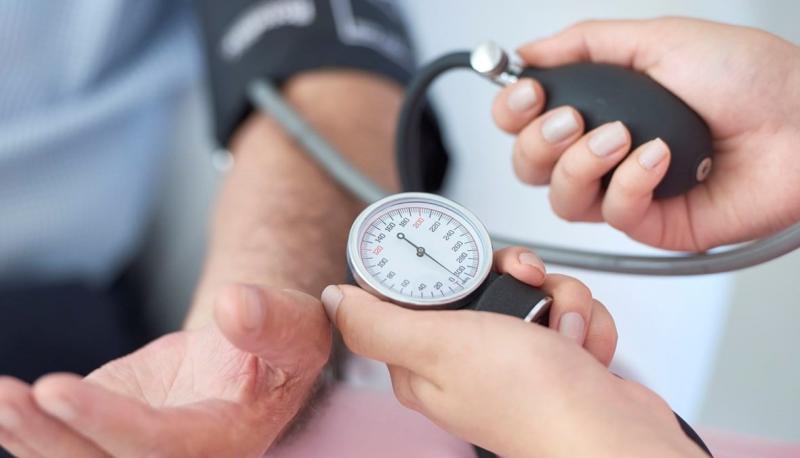
Symptoms of low blood pressure vary among individuals depending on the degree and speed of the drop, as well as the person's overall health. In some cases, low pressure does not cause any noticeable symptoms. However, it may lead to dizziness, fainting, or inadequate blood supply to vital organs in other cases.
Low blood pressure is usually defined as a reading below 90/60 mmHg. But this reading isn't always concerning, especially if not accompanied by symptoms. Additionally, sudden symptoms may indicate a health issue requiring quick evaluation.
What is Low Blood Pressure?
Blood pressure is the force with which the heart pumps blood through arteries to body organs. When it drops below normal, organs like the brain, heart, and kidneys may not receive enough blood and oxygen.
Conversely, some individuals, particularly athletes or younger people, may have naturally low blood pressure without health issues.
Common Symptoms of Low Blood Pressure
Dizziness or Lightheadedness
Dizziness is a common symptom, especially when standing up quickly after sitting or lying down.
Fainting
A significant drop in blood pressure may lead to temporary loss of consciousness due to reduced blood flow to the brain.
Blurred or Cloudy Vision
Some may experience blurred vision or see black spots before their eyes.
Fatigue and Exhaustion
Low blood pressure can also cause persistent fatigue and a reduced ability to perform daily activities.
Nausea
Low blood pressure might be accompanied by nausea, and sometimes vomiting.
Concentration Difficulties
Individuals may have trouble focusing or thinking due to decreased blood flow to the brain.
Headache or Neck Pain
Some individuals experience mild headaches or neck pain when blood pressure drops.
Severe Symptoms of Low Blood Pressure
When blood pressure drops significantly and suddenly, it may indicate a medical emergency known as shock, requiring immediate medical intervention.
Cold and Pale Skin
The skin may become cold, clammy, and pale due to reduced blood flow to the extremities.
Rapid Breathing
The body tries to compensate for oxygen deficiency by increasing the breathing rate, which may become rapid and shallow.
Fast and Weak Pulse
The heart rate may increase to compensate for low blood pressure, though the pulse might be weak.
Confusion or Mental Disorientation
Individuals may experience severe confusion or difficulty concentrating, more noticeable in the elderly.
Loss of Consciousness
Severe drops can lead to fainting or loss of consciousness, prompting immediate medical assistance.
Causes of Low Blood Pressure
Several factors can lead to low blood pressure, including:
Dehydration
Lack of fluids from insufficient water intake, vomiting, or diarrhea can decrease blood volume.
Bleeding
Significant blood loss can cause a sharp drop in blood pressure.
Heart Conditions
Heart issues such as bradycardia or heart failure may cause low blood pressure.
Endocrine Disorders
Low blood pressure may be linked to adrenal insufficiency or thyroid disorders.
Some Medications
Blood pressure medications, diuretics, and some antidepressants can lower blood pressure.
Severe Allergies
Anaphylaxis might lead to dangerously low blood pressure, necessitating urgent treatment.
Who is Most at Risk for Low Blood Pressure?
Risk increases for:
-The elderly.
-Pregnant women.
-Individuals with heart diseases.
-Diabetes patients.
-Those suffering from dehydration.
-People taking certain blood pressure medications or diuretics.
When to See a Doctor?
A doctor should be consulted if low blood pressure is frequent or accompanied by symptoms that affect daily life. Emergency care is crucial when experiencing:
-Loss of consciousness.
-Severe chest pain.
-Severe shortness of breath.
-Noticeable mental confusion.
-Significant bleeding.
-Cold, clammy, and pale skin.
-Persistent low blood pressure with severe weakness.
Treatment for Low Blood Pressure
Treatment depends on the underlying cause.
Fluid Replacement
If dehydration is the cause, drinking water or intravenous fluids can help raise blood pressure.
Medication Adjustment
A doctor may alter medication dosages if they contribute to low blood pressure.
Treating the Underlying Condition
Treating heart diseases, endocrine disorders, or infections can improve blood pressure.
Lifestyle Changes
Recommendations may include:
-Drinking adequate amounts of water.
-Standing up slowly after sitting or lying down.
-Eating small, frequent meals.
-Using compression stockings in certain cases.
-Reducing prolonged standing.
Can Low Blood Pressure be Prevented?
Reducing the risk involves:
-Staying hydrated.
-Following a balanced diet.
-Regular physical activity.
-Avoiding sudden standing.
-Adhering to doctor's instructions regarding blood pressure medications.
-Regular check-ups for chronic conditions.
In conclusion, symptoms of low blood pressure can start with dizziness and blurred vision and may escalate to fainting or shock due to insufficient blood flow to vital organs.
Thus, recognizing early signs and seeking medical care immediately for severe symptoms helps prevent complications and maintain heart, brain, and overall body health.
Also featured:
Causes of Chronic Constipation