


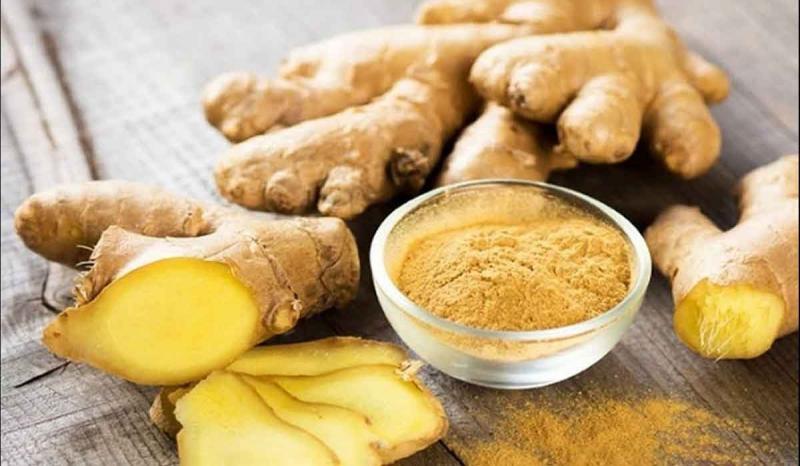
Ginger holds a significant position among the most commonly used medicinal and culinary herbs worldwide. Historically, it has been utilized in Asian medicine and folk remedies to aid various ailments, from stomach disorders to colds and muscle pains.
The potential benefits of ginger are attributed to its active plant compounds, especially gingerol and shogaol, which possess antioxidant and anti-inflammatory properties.
Recent studies suggest that ginger may help improve certain symptoms, but its effects can vary depending on the health condition, usage, and dosage.
What Ailments Does Ginger Help With?

It's essential to note that ginger does not directly cure diseases but may help alleviate some symptoms or support overall health when included in a balanced diet.
Nausea and Vomiting
Relieving nausea is one of the most researched uses of ginger. Studies indicate it may reduce nausea associated with pregnancy, motion sickness, or certain situations that cause stomach upset.
Additionally, some use ginger to help reduce post-surgery nausea or during certain medical treatments. However, consultation with a doctor is advised, especially with medication-related or chronic conditions.
Indigestion and Stomach Disorders
Ginger may improve digestion by promoting stomach movement and speeding the transition of food through the gastrointestinal tract. It is traditionally used to relieve bloating, gas, and stomach discomfort.
However, individuals with chronic digestive issues should consult a physician to determine the underlying cause of symptoms.
Joint Pain and Inflammation
Some studies suggest ginger might have anti-inflammatory effects, potentially helping reduce joint pains associated with arthritis when used regularly within a healthy lifestyle.
This is due to its active compounds possibly affecting inflammation-related pathways in the body.

Muscle Pain Post-Exercise
Ginger may help relieve certain types of muscle pain resulting from physical exertion, as studies indicate its anti-inflammatory properties may lessen pain severity for some individuals.
For this reason, some incorporate it into health drinks after exercising.
Colds and Respiratory Infections
Traditionally, ginger is used in winter drinks to help soothe cold symptoms like sore throat and mild cough, thanks to its warming effect and antioxidant properties.
However, there is insufficient evidence to prove ginger can eliminate viruses or cure colds but may aid in alleviating some symptoms.
Blood Sugar Levels
Some studies hint that ginger may have a potential effect on improving blood sugar control markers in Type 2 diabetics.
Nevertheless, it should not be relied upon as a substitute for diabetes medications or prescribed dietary regimens, as sugar level management requires regular monitoring.
Heart Health and Cholesterol
Some research explores the role of ginger in supporting heart health, suggesting it may help improve certain blood lipid levels and reduce oxidative stress.
Yet, more studies are needed to clearly define its effect on heart diseases.
Does Ginger Aid in Weight Loss?
Ginger is sometimes linked with weight loss plans and may help indirectly by enhancing feelings of fullness and improving digestion. But, there is no evidence that it burns fat or leads to weight loss on its own.
A balanced diet and physical activity remain the key factors in weight loss.
See Also:
Benefits of Turmeric Before Sleep
What is Golden Milk?
What is Kefir Milk?