


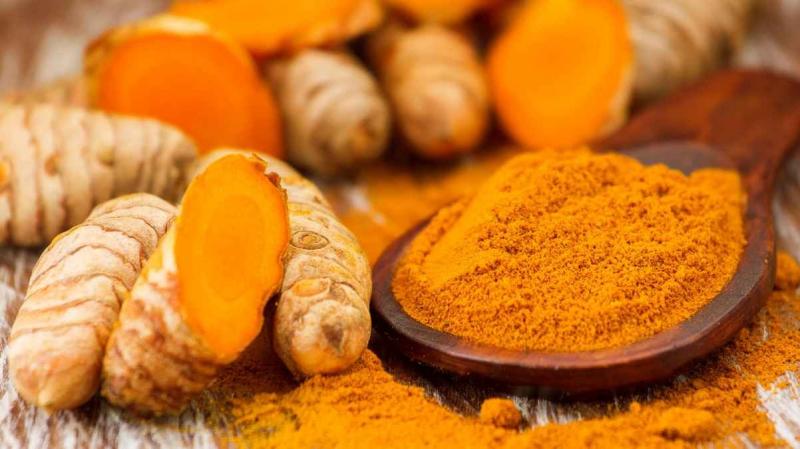
The global turmeric market is experiencing continuous growth due to the rising demand for natural spices and food products, as well as dietary supplements that incorporate turmeric.
This trend is largely driven by the presence of curcumin, a compound that is used extensively in the food and pharmaceutical industries, in addition to its traditional use as one of the world's most popular spices.
International trade data indicates that turmeric exports are heavily concentrated in a limited number of countries. India leads the pack, accounting for more than half of the global export value, while other countries play significant roles in re-exporting or producing turmeric for regional markets.
Top Turmeric Exporting Countries Globally
1. India
India holds the top position worldwide by a wide margin, as it is the largest producer and exporter of turmeric. The country benefits from its diverse turmeric-growing regions and high domestic production, coupled with its long-standing expertise in spice trade.
India exports turmeric to numerous markets across Asia, Europe, North America, and the Middle East, commanding nearly two-thirds of the global export value.
2. Netherlands
Despite limited local production, the Netherlands holds a prominent position as a European hub for re-exporting spices.
It imports large quantities of raw turmeric, then re-exports them to various European markets after processing and distribution.
3. Myanmar
Myanmar is one of the leading producers and exporters of turmeric in Asia, with this crop forming a vital part of its agricultural exports.
A significant portion of its turmeric exports go to neighboring Asian markets, reinforcing its growing presence in global trade in recent years.
4. Fiji
Fiji has emerged as a key exporter of high-quality turmeric, notably varieties with a high curcumin content.
This has bolstered its position in specialized markets seeking premium products.
5. Germany
Germany is a notable European exporter of turmeric, leveraging its role in importing and re-exporting spices after manufacturing or packaging processes, alongside strong demand within the European market.
6. Peru
Peru has witnessed significant growth in turmeric exports in recent years, capitalizing on the rising global demand for natural and organic agricultural products, and has become a crucial supplier to American and European markets.

7. Indonesia
Indonesia produces substantial amounts of turmeric, with a portion allocated for export to Asian and neighboring markets, benefiting from its extensive experience in tropical spice cultivation.
8. Vietnam
Vietnam continues to bolster its presence in the turmeric export market, focusing on commercial farming and enhancing the quality of products intended for foreign markets.
9. Ethiopia
Ethiopia has emerged as a rising turmeric exporter, leveraging its agricultural diversity and growing interest in spice cultivation, particularly for regional and some European markets.
10. Brazil
Rounding out the list is Brazil, which relies on its advanced agricultural sector and increasing production of tropical crops, including turmeric, which is in demand across various international markets.
Why Do These Countries Lead in Turmeric Exports?
The dominance of these countries is attributed to several factors, including the favorable climate for turmeric cultivation, availability of agricultural land, investments in agricultural technologies and processing, as well as robust export infrastructure and logistical networks connecting them to global markets.
Furthermore, some European countries like the Netherlands and Germany play a significant role in re-exporting turmeric after importing it from producing nations, enhancing their export values.
See also:
Leading Date Exporters Globally