



Financial habits are crucial factors distinguishing those who rely on a fixed income from those building sustainable wealth over the long term. Wealthy individuals don't just depend on their income size; they skillfully manage and allocate their finances. Hence, most affluent people adhere to strict financial patterns based on discipline, planning, and continual investment.
These habits are linked not only to money itself but also to mindset; the wealthy view money as a tool for growth, not merely for expenditure. This perspective causes their financial decisions to contrast sharply with the average person's focus on immediate consumption.
Key Financial Habits of the Wealthy
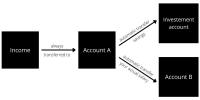
1. Financial Automation
Wealthy individuals designate a fixed percentage of their income to be automatically redirected.
Funds are directly transferred to:
- Savings accounts
- Investment portfolios
- This system reduces impulsive spending.
- It helps in gradually building wealth without daily intervention.
2. Multiple Income Streams
The wealthy do not rely on a single source of income.
They aim to diversify through:
- Stock investments
- Real estate
- Commercial ventures
- Side businesses
This diversification minimizes financial risks and ensures stability even during crises.
3. Delayed Gratification

- Wealthy individuals excel in self-control.
- They postpone purchasing luxuries.
- Focus on long-term goals.
- Prefer investing over consuming. This behavior enhances wealth accumulation over time.
4. Investing in Assets Instead of Luxuries
The wealthy direct their finances towards assets, not expenses.
Assets include:
- Real estate
- Stocks
- Income-generating projects
- Assets increase in value or generate ongoing income, whereas luxuries depreciate over time.
5. Continuous Financial Monitoring
The wealthy regularly allocate time to review their finances.
Review includes:
- Monthly expenses
- Investment performance
- Achieving financial goals
It aids in correcting mistakes early and maintains financial discipline.
6. Calculated Risk-Taking
The wealthy do not completely avoid risk.
They rely on study and analysis before making decisions.
They assess:
Potential returns
- Risk magnitude
- Available alternatives
The goal is to achieve deliberate financial growth rather than random.
Developing a Long-Term Financial Mindset
Alongside foundational financial habits, the wealthy are committed to cultivating a long-term financial mindset. This involves continuous learning and understanding of market movements. They do not rest on what they know but always keep up with economic news, read financial literature, and learn from successful investors' experiences. This ongoing development helps them make more accurate decisions and reduces the likelihood of costly financial errors.
Building a Strong Network
The wealthy also focus on building a strong network in the financial and professional realms. They view good relationships as potential openings for new investment opportunities or successful partnerships. Connecting with entrepreneurs, investors, and experts facilitates idea exchange and discovering opportunities not readily available to the public, accelerating and sustaining wealth growth.
In conclusion, wealth is not built by chance but through clear and consistent financial habits. Wealthy individuals prioritize financial discipline, income diversification, and smart investing over impulsive consumption. Over time, these habits develop into a lifestyle that ensures their continued financial stability and growth.
See Also:
The World's Largest Tech Companies
How the Internet has Changed Over 30 Years
Inventions Once Thought Impossible Now Real