


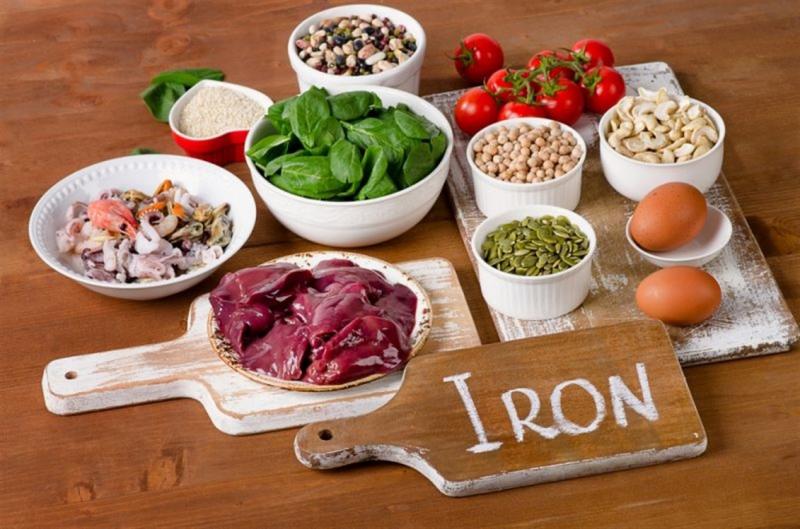
Iron is a crucial element for maintaining a healthy body. It plays a key role in producing hemoglobin, the protein responsible for transporting oxygen to cells and tissues. When iron levels drop, a range of symptoms may appear, including chronic fatigue, dizziness, poor concentration, and hair loss, potentially leading to anemia in some cases.
Moreover, iron not only boosts energy levels but also supports the immune system and enhances mental and physical performance. The body's ability to absorb iron varies based on its source, with animal-based iron being more easily absorbed than plant-based iron.
Why is Iron Important for the Body?
The body needs iron to produce red blood cells that carry oxygen from the lungs to various body parts. Iron is also involved in numerous vital processes related to immunity, growth, and energy production.
Iron deficiency is one of the most common nutritional deficiencies worldwide, particularly among pregnant women, children, and individuals following vegetarian diets.
Types of Iron in Food
Iron in foods is classified into two main types:
Heme Iron
Found in animal products like meat, fish, and poultry, heme iron is absorbed more effectively by the body, making it the best option to quickly boost iron stores.
Non-Heme Iron
Present in plant sources such as legumes and leafy greens, non-heme iron has many benefits but is less readily absorbed than animal iron. Consuming it with vitamin C-rich foods is recommended to enhance absorption.
Best Natural Sources of Iron
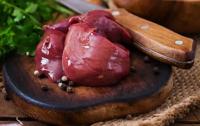
Liver and Organ Meats
Liver, whether from beef or chicken, is one of the richest foods in iron and also provides essential vitamins such as B12 and folate, making it an excellent option for those with low iron levels.
Red Meat
Red meats like beef and lamb are some of the best natural sources of highly absorbable iron. Choosing lean cuts can provide greater nutritional benefits.
Seafood
Certain seafood, like oysters, sardines, and tuna, are good sources of iron in addition to omega-3 fatty acids, which support heart and brain health.
Poultry
Darker meats from chicken and turkey, like thighs, contain more iron compared to white breast meat, offering a suitable alternative for those who prefer not to consume red meat.
Legumes
Lentils, chickpeas, beans, and soybeans are key plant-based iron sources, also rich in fiber and plant proteins, making them essential to a healthy diet.
Dark Leafy Greens
Spinach, Swiss chard, and mallow contain good amounts of iron as well as antioxidants and vitamins. It is better to consume them with vitamin C sources to enhance iron absorption.
Seeds and Nuts
Iron-rich options include pumpkin seeds, sesame, and cashews, as well as tahini, a common and nutrient-rich food.
Whole Grains
Quinoa, oats, and bulgur offer varying levels of iron and contribute to increased satiety and digestive health.
Dried Fruits
Raisins, dried apricots, and figs provide a good amount of iron and energy, especially beneficial for children and those with poor appetite.
Molasses
Date syrup and carob molasses are traditional options used in some Arab countries to raise iron levels, providing energy and other minerals as well.
How to Boost Iron Absorption in the Body
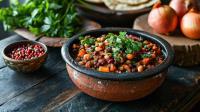
Consume Vitamin C with Meals
Vitamin C significantly improves the absorption of plant-based iron. Therefore, it is advised to include lemon, orange, bell peppers, or tomatoes with iron-rich meals.
Avoid Tea and Coffee After Meals
Coffee and tea contain compounds that reduce iron absorption, so it is preferable to wait an hour or two after eating before consuming them.
Avoid Calcium with Iron Meals
Calcium in milk and dairy products can interfere with iron absorption, so it is best to separate them as much as possible.
Symptoms of Iron Deficiency
Low iron levels can cause multiple symptoms, including:
- Persistent fatigue and exhaustion.
- Dizziness and headaches.
- Pale skin.
- Shortness of breath.
- Hair loss.
- Poor concentration.
- Cold extremities.
- Brittle nails.
If these symptoms persist, blood tests are recommended to assess iron levels and ferritin stores.
In conclusion, natural iron sources play a vital role in maintaining body health, energy levels, and preventing anemia. A balanced diet rich in iron, alongside improving absorption, is the first step to a healthier and more active life.
See Also
Avanafil: Is It Faster Than Viagra?