



Preventing anemia is a critical health topic, especially with its prevalence across various age groups worldwide. Anemia occurs when the number of red blood cells or hemoglobin levels drop, leading to decreased oxygen supply to the body's tissues and organs.
Most cases of nutrition-related anemia can be prevented through a balanced diet and simple healthy habits. Getting adequate amounts of iron, vitamin B12, and folic acid is crucial for maintaining blood health and preventing complications from deficiencies.
What is Anemia and Why Does It Occur?
Anemia is a health condition arising from the blood's reduced capacity to carry oxygen. Causes range from nutritional deficiencies to chronic bleeding and certain chronic or genetic diseases.
Iron deficiency is the most common cause of anemia, but lack of vitamin B12 and folic acid can also result in similar symptoms if not identified early.
The Importance of Nutrition in Preventing Anemia
Nutrition plays a key role in the production of red blood cells, so a varied and balanced diet ensures the body gets essential elements for maintaining normal hemoglobin levels.
Medical advice emphasizes that prevention is always better than cure, especially as some anemia cases may take several months to restore natural iron levels.
Best Tips for Preventing Anemia
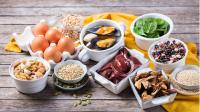
1. Consume Iron-Rich Foods
Iron is a key component in forming hemoglobin. Key iron-rich foods include:
-Red meat.
-Liver.
-Poultry.
-Fish.
-Lentils.
-Chickpeas.
-Spinach.
-Beans.
Animal iron is more easily absorbed than plant iron, so balancing both types in the diet is recommended.
2. Don't Neglect Vitamin B12
Vitamin B12 is vital for red blood cell production and nerve health. It is mainly found in:
-Eggs.
-Meat.
-Fish.
-Milk and dairy products.
-Fortified foods.
Vegans might need to consult a doctor about supplements if necessary.
3. Eat Foods Rich in Folic Acid
Folic acid supports the production of healthy blood cells and is crucial for pregnant women. Key sources include:
-Leafy greens.
-Citrus fruits like oranges.
-Beans.
-Whole grains.
-Avocado.
4. Enhance Iron Absorption with Vitamin C
Vitamin C significantly boosts iron absorption, especially from plant sources.
Adding lemon juice or eating oranges, tomatoes, or bell peppers with meals can notably improve iron absorption.
5. Avoid Tea and Coffee During Meals
Coffee and tea contain compounds that reduce iron absorption. It is preferable to wait one to two hours after eating before consuming them. Alternatively, replace them with water or vitamin C-rich juices for better meal benefits.
6. Be Cautious with Calcium and Iron
While calcium is essential for bone health, it can interfere with iron absorption when taken together. Thus, it is better to separate calcium supplements or dairy products from iron-rich meals.
Groups Most at Risk of Anemia

Women During Pregnancy and Menstruation
A woman's iron needs increase during pregnancy due to the growing fetus and increased blood volume. Blood loss during menstruation can also deplete iron stores over time.
Children and Teenagers
Periods of rapid growth require additional iron and nutrients to support healthy body and brain development.
Vegetarians
Vegetarians may be more susceptible to iron and vitamin B12 deficiencies. Focusing on legumes, fortified foods, and regular check-ups is advised.
Individuals with Gastrointestinal Disorders
Conditions such as Crohn's disease, ulcerative colitis, and bariatric surgery can affect nutrient absorption, increasing anemia risk.
When to See a Doctor?
Consult a doctor if you frequently experience symptoms like:
-Persistent fatigue.
-Dizziness.
-Paleness.
-Shortness of breath.
-Rapid heartbeat.
-Hair loss.
-Cold hands and feet.
-Poor concentration.
Common tests include a complete blood count (CBC) and Ferritin test. Evaluations of vitamin B12 and folic acid levels may also be needed.
In Conclusion, prevention starts with a balanced and healthy lifestyle, combining proper nutrition, routine check-ups, and attention to early signs of nutrient deficiencies.
While many anemia cases can be avoided through simple dietary changes, consulting a doctor remains essential when symptoms persist or recur.
See Also:
Natural Sources of Iron