


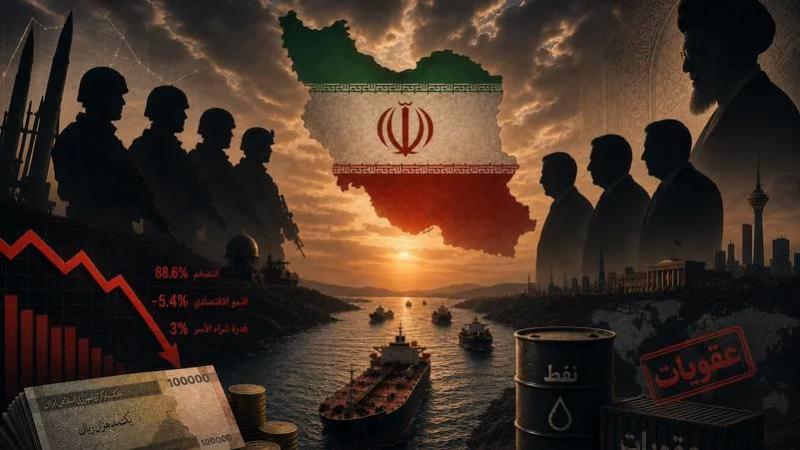
An Iranian diplomat has revealed a widening rift within Tehran's decision-making circles between factions advocating increased confrontation with the U.S. and those warning of economic consequences from sustained conflict, as Iran faces mounting military pressures and sanctions.
According to a report by The Wall Street Journal, the unnamed diplomat noted that a hardline faction within Iran is pushing for intensified confrontation and control over the Strait of Hormuz, viewing it as a critical pressure point against Washington.
Conversely, the report mentions a "pragmatic" faction concerned that continued U.S. sanctions and military escalation could lead to further economic deterioration, favoring a political solution to ease pressures on the country.
This assessment comes at a time when the U.S. and Iran are exchanging military blows, with Washington tightening sanctions and reimposing a naval blockade on Iranian ports, exacerbating economic pressures on Iran.
Escalating Economic Struggles
The Wall Street Journal linked this internal debate to worsening economic conditions, noting Iran's official annual consumer price inflation rate hit 88.6% in June.
The article added that the International Monetary Fund had predicted, even before the latest escalation, a 5.4% contraction in Iran's economy for the current year, a forecast likely to worsen if the current standoff continues.
Economic estimates cited by the newspaper suggest that only 3% of Iran’s highest-income households could afford a full food basket, indicative of shrinking purchasing power and increasing living pressures.
Despite the reported internal divides within Iranian leadership, there has been no official acknowledgement from Iranian authorities of disagreements among political or military factions on managing the crisis with the U.S., nor any formal comments on the diplomat's statements.
The report arrives amid rising indications that ongoing escalation poses not only military and security challenges but also mounting economic pressures on Iran, potentially influencing decision-makers' choices in the near future.