


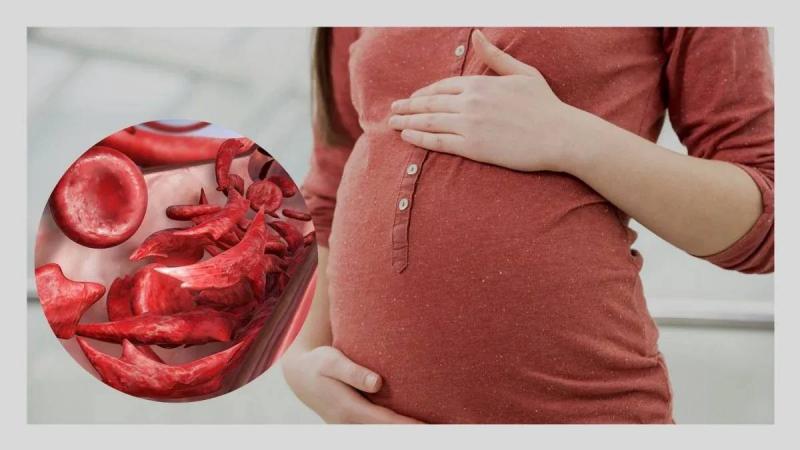
Statistics suggest that a significant number of pregnant women experience varying degrees of anemia during pregnancy, primarily due to physiological changes and increased nutritional demands by the developing fetus.
Despite a drop in hemoglobin levels not always indicating a severe issue, untreated anemia can impact both maternal and fetal health. Therefore, regular checkups are advised to spot nutritional deficiencies or blood production disorders early.
What is Pregnancy Anemia?
Pregnancy anemia is characterized by a reduction in hemoglobin or red blood cell count below the expected levels for pregnancy, leading to decreased oxygen delivery to tissues and the fetus.
Common symptoms include fatigue, dizziness, shortness of breath, pale skin, and a rapid heartbeat. In advanced cases, concentration difficulties or frequent headaches may occur.
Why Are Pregnant Women Prone to Anemia?
During pregnancy, a woman’s body undergoes complex changes to support fetal development and placenta formation, notably a significant increase in blood volume.
Additionally, heightened needs for iron, folic acid, and Vitamin B12 during pregnancy make women more susceptible to anemia if adequate amounts aren't obtained from diet or supplements.
Causes of Anemia During Pregnancy

1. Hemodilution
A common cause of reduced hemoglobin during pregnancy is hemodilution. Blood volume increases by up to 50% to meet the needs of the fetus and placenta. However, plasma volume increases faster than red blood cell production, resulting in a relative drop in hemoglobin concentration, which can appear as mild anemia in tests.
2. Iron Deficiency
The leading cause of anemia in pregnancy is iron deficiency, which accounts for the majority of cases. Iron is crucial for fetal blood and placental development. Insufficient iron stores prior to pregnancy or inadequate supplementation can gradually lead to anemia symptoms like fatigue and dizziness.
3. Folic Acid (Vitamin B9) Deficiency
Folic acid is vital for red blood cell production and fetal neural development. Its deficiency causes a type of anemia known as "megaloblastic anemia" and can increase the risk of birth defects if not addressed with prescribed supplements pre and post-conception.
4. Vitamin B12 Deficiency
Vitamin B12 is essential for red blood cell formation and nerve health. Deficiencies are more common in strict vegetarians or those with absorption issues, leading to symptoms like numbness, in addition to typical anemia signs.
Factors Increasing Anemia Risk During Pregnancy

Multiple Pregnancies
Having twins or more significantly raises nutritional requirements, needing extra iron, vitamins, and minerals for multiple fetal developments.
Short Pregnancy Intervals
Quickly consecutive pregnancies don't allow sufficient time for replenishing iron stores, elevating anemia risk.
Severe Pregnancy Vomiting
Persistent nausea and vomiting can hinder food and supplement intake, affecting iron and nutrient levels.
Heavy Menstrual Bleeding Prior to Pregnancy
Women with prior heavy menstrual bleeding often enter pregnancy with low iron reserves, making early anemia onset more likely.
Risks of Ignoring Pregnancy Anemia
Unaddressed moderate to severe anemia can lead to complications like preterm labor, low birth weight, and postpartum hemorrhage. It might also cause significant maternal fatigue, impacting daily activities and self-care during and post-pregnancy. Severely, chronic oxygen deficiency could harm fetal health and growth, underscoring the need for consistent medical monitoring.
Preventing Anemia During Pregnancy
Prevention begins with a diet rich in iron, such as red meat, legumes, and dark leafy greens, and foods high in Vitamin C to boost iron absorption.
Furthermore, adhering to doctor-prescribed supplements and regular blood tests to monitor hemoglobin, ferritin, folic acid, and Vitamin B12 levels throughout pregnancy is essential.
In conclusion, pregnancy anemia is a common, manageable condition when detected early. With proper nutrition and routine medical care, most women can successfully address this issue, ensuring optimal health outcomes for themselves and their babies during pregnancy.