


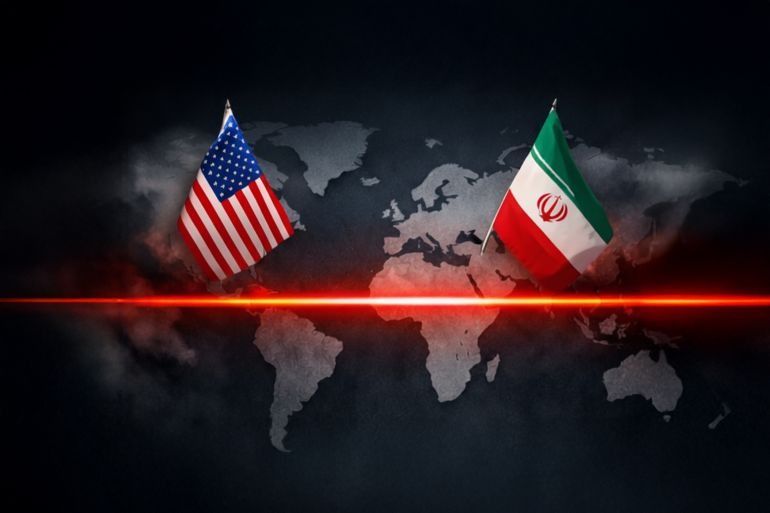
The Iranian foreign ministry spokesperson, Esmail Baghaei, has accused the U.S. administration of failing to adhere to commitments outlined in a memorandum of understanding between the two nations. Baghaei claims that competing power centers within Washington are hindering the implementation of obligations agreed upon by the United States.
In statements reported by Iranian media, Baghaei described "different wings" within the U.S. governmental structure as pursuing divergent paths and competing with one another, leading to contradictory messages on several international issues, according to him.
He further asserted that the progress on implementing the memorandum of understanding, including clauses related to the management of the Strait of Hormuz and the release of frozen Iranian assets, has been stalled due to what he described as Washington's retreat from its commitments and the resumption of military attacks against Iran.
Baghaei characterized the U.S. administrative structure as "fragmented and divided," citing that lobbying groups within the United States prevent the administration from fulfilling the agreements it signs.
He emphasized that Iran has not been the party to break commitments, pointing out that it was the United States that first withdrew from its commitments, both in the nuclear agreement and the recent memorandum of understanding. He added that Washington's continued breaches make it challenging for Tehran to continue fulfilling its obligations.
Baghaei also mentioned that Article 5 of the memorandum dictates the management of the Strait of Hormuz in consultation with Oman and regional countries, accusing the U.S. of trying to assert control over this strategic maritime passage.
He clarified that Iran's measures in the Strait of Hormuz were, as described, a response to using the strait for attacks against Iranian territory, and he considered U.S. and Israeli interventions the main reason for ongoing regional tension and instability.
These statements come amidst continued escalation between Washington and Tehran, following President Donald Trump's announcement of the end of a ceasefire and the resumption of U.S. strikes on Iran, which have been met with Iranian military responses targeting U.S. bases and interests in several countries in the region.