


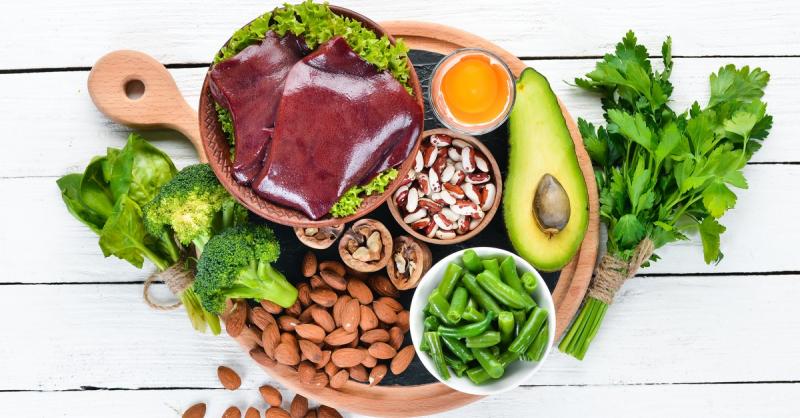
Iron-rich foods are among the most searched health topics globally, as iron deficiency is the primary cause of most anemia cases worldwide. Iron plays a crucial role in producing hemoglobin, the protein responsible for transporting oxygen throughout the body, making its balance essential for general health.
When iron levels diminish, anemia symptoms such as fatigue, dizziness, pale skin, and concentration difficulties start to manifest gradually. Therefore, a balanced diet rich in iron can be a significant step in supporting treatment and improving energy levels, especially when combined with appropriate medical guidance.
Why Is Iron Important for the Body?
Iron contributes to the formation of red blood cells and the oxygen transport to tissues and muscles. Additionally, it participates in numerous vital processes related to immunity and energy production. The body's demand for iron increases during specific phases such as pregnancy, rapid growth, and recovery periods after blood loss. Conversely, its deficiency can lead to chronic fatigue and decreased physical and mental performance.
What Is the Difference Between Animal and Plant-Based Iron?
Iron in food is divided into two main types: heme iron from animal sources and non-heme iron from plant sources. Heme iron is easily absorbed by the body, while plant-based iron absorption is enhanced by the presence of vitamin C. This is why experts consistently recommend pairing plant-based iron-rich foods with sources of vitamin C for optimal nutritional benefits.
Iron-Rich Foods for Treating Anemia
1. Liver and Red Meats
Liver, whether from beef or lamb, is one of the richest natural sources of iron and vitamin B12. It also contains numerous nutrients supporting red blood cell production. Red meats provide substantial amounts of easily absorbable iron, making them an excellent choice for people with iron deficiency, especially when consumed in moderation within a balanced diet.
2. White Meats
White meats like chicken and turkey offer moderate amounts of iron along with high protein content. These options are suitable for individuals seeking to reduce their saturated fat intake while ensuring essential nutrient acquisition.
3. Fish and Seafood
Fish such as tuna and salmon contain iron alongside many other beneficial elements. Oysters are one of the richest seafood in iron. Furthermore, fish offer omega-3 fatty acids that support heart and brain health, providing additional benefits beyond anemia treatment.
4. Egg Yolks
Egg yolks contain a good amount of iron and vital vitamins that aid in blood cell formation. They are a practical option that can be easily incorporated into daily dietary routines. However, they should be consumed in moderation within a diverse and balanced diet.
5. Lentils and Legumes
Lentils top the list of plant-based iron sources, alongside chickpeas, beans, and white beans. These foods also boast high fiber and plant protein content. To enhance iron absorption, it is advised to add lemon juice or consume these with vitamin C-rich foods.
6. Dark Leafy Vegetables
Spinach, chard, and broccoli are excellent choices for boosting plant-based iron intake. They also contain antioxidants and essential vitamins that support overall health. Conversely, the iron in these foods is less efficiently absorbed compared to animal sources, making the combination with vitamin C crucial.
7. Nuts and Seeds
Pumpkin seeds, cashews, and sesame seeds contain significant amounts of iron, along with healthy fats and essential minerals. Adding tahini or sesame to various daily dishes can provide an additional nutritional boost supporting iron levels.
8. Dried Fruits
Raisins, dried figs, and dried apricots are natural sources of iron, serving as suitable snacks for those wishing to increase their nutrient intake. Additionally, these fruits contain fiber aiding digestive health.
9. Blackstrap Molasses
Molasses made from sugar cane is a traditional food known for its iron content. Some estimates suggest a tablespoon may provide a substantial amount of this mineral. It can also be used as a natural sweetener within a balanced diet, considering its sugar content.
The Golden Rule for Increasing Iron Absorption
Consuming iron-rich foods alone isn't sufficient; it's important to enhance the body's absorption ability. Therefore, experts recommend pairing plant-based iron-rich foods with vitamin C sources such as oranges, strawberries, kiwis, and lemons. Conversely, it's preferable to avoid drinking tea, coffee, or consuming dairy products directly with iron-rich meals, as these elements may reduce absorption. It's advisable to leave an interval of at least two hours between these.
When Is Diet Alone Insufficient?
In some cases, especially when dealing with moderate or severe anemia, diet alone might not suffice to restore natural iron levels. In such instances, a physician may recommend iron supplements alongside dietary adjustments, with regular monitoring of hemoglobin and ferritin levels to ensure effective treatment.
In conclusion, iron-rich foods play a pivotal role in preventing anemia and supporting its treatment, especially when choosing the right sources and following tips that enhance absorption.
Adhering to a balanced diet and consulting a doctor when necessary represent the best approach to maintaining normal iron levels and enjoying a more active and healthier life.
See also
Reasons for Anemia During Pregnancy