


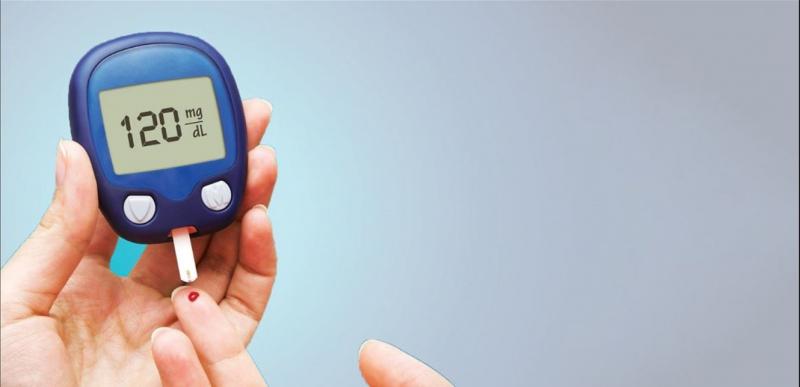
Diabetes is a growing health concern, especially with rising rates of diabetes and insulin resistance worldwide. While symptoms can be similar in men and women, women may experience additional signs related to hormonal and reproductive system changes, complicating the disease's detection at times.
Early diagnosis is crucial in mitigating long-term complications like heart disease, neuropathy, kidney problems, and eye issues. Paying attention to initial signs can facilitate timely treatment intervention.
Why Do Diabetes Symptoms Differ in Women?
High blood sugar affects various bodily systems, but women are more prone to health issues linked to hormones and the reproductive system.
Insulin resistance may be connected to conditions like polycystic ovary syndrome (PCOS), which can increase the likelihood of additional symptoms not commonly seen in men.
Diabetes Symptoms in Women

Recurring Vaginal Yeast Infections
Frequent yeast infections might indicate high blood sugar levels, as elevated glucose provides an environment conducive to Candida yeast growth, causing symptoms like:
- Severe vaginal itching.
- Thick white discharge.
- Discomfort or pain during intercourse.
If these infections recur multiple times a year, consulting a doctor and a blood sugar test is essential.
Frequent Urinary Tract Infections (UTIs)
Recurring UTIs can also indicate diabetes or poor control over it, as elevated sugar can impact immune efficiency, making the body more susceptible to infections. Common symptoms include burning during urination, frequent bathroom visits, cloudy urine, or unusual odors.
Menstrual and Fertility Issues
Diabetes and insulin resistance are linked to hormonal imbalances, potentially impacting menstrual regularity. Also, PCOS, commonly related to insulin resistance, may lead to:
- Irregular periods.
- Increased acne.
- Excessive hair growth.
- Difficulty conceiving.
Doctors advise women with PCOS to monitor blood sugar levels regularly.
Vaginal Dryness and Reduced Libido
Chronic high sugar levels can affect nerves and blood vessels, impacting women's sexual health. This might reduce blood flow to the genital organs, leading to vaginal dryness, discomfort, and decreased libido.
Frequent Urination and Intense Thirst
Common in both men and women, frequent urination and persistent thirst occur as the kidneys try to expel excess glucose through urine, leading to fluid loss and recurrent thirst, especially at night.
Constant Fatigue and Exhaustion
Feeling tired despite adequate sleep may be tied to the body's inability to use glucose efficiently for energy, often accompanied by difficulty concentrating, or "brain fog," describing reduced focus and attention.
Unexplained Weight Changes
Diabetes may cause noticeable weight changes, varying by disease type. Type 1 can result in rapid, unexplained weight loss, while type 2 often leads to weight gain and abdominal fat accumulation.

Blurred Vision
High sugar affects fluid levels in the eye's lens, causing vision blurriness or focus issues. Although temporary in early stages, untreated conditions increase severe eye complications risk.
Slow Wound Healing
If cuts or minor wounds take longer to heal, high sugar levels may be problematic. Diabetes affects blood circulation and nerves, delaying tissue repair and heightening infection risk.
Dark Skin Patches
Dark velvet-textured skin patches, especially around the neck and underarms, signal insulin resistance, known as "acanthosis nigricans," warranting medical evaluation as a potential early diabetes indicator.
When to Consult a Doctor?
Seek medical advice if multiple symptoms persist without apparent causes. Testing is crucial if family diabetes history, PCOS, or obesity are present, raising disease risk.
How to Prevent Diabetes?
Reduce type 2 diabetes risk by:
- Maintaining a healthy weight.
- Staying physically active regularly.
- Following a balanced diet.
- Reducing sugar-sweetened drinks consumption.
- Conducting regular blood sugar checks, especially after age 40.
In conclusion, initial diabetes symptoms in women may seem mild, but ignoring them can lead to long-term health complications, impacting quality of life.
Paying attention to bodily changes and undergoing routine checks are the first steps towards early diagnosis and effective treatment.
Also See
Best Fruits for Diabetics