


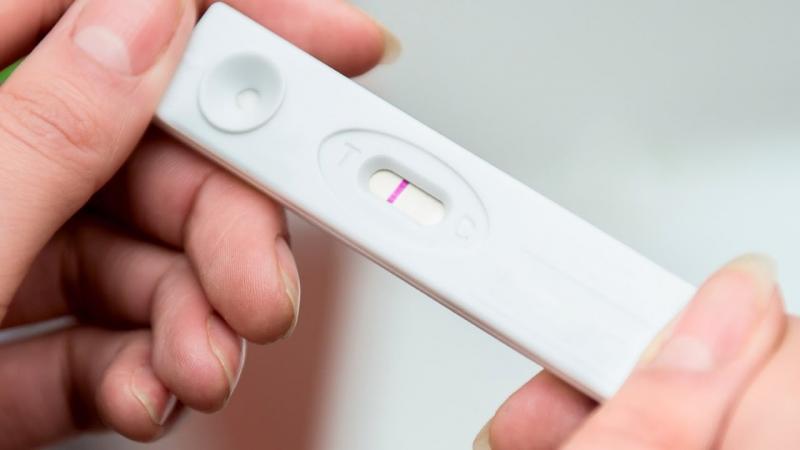
Delayed pregnancy can cause tension and anxiety among couples, particularly when initial tests show normal results and reveal no clear problems for either partner.
This situation is sometimes referred to as unexplained infertility, where doctors cannot pinpoint a direct cause despite conducting basic tests.
Delayed pregnancy does not necessarily indicate a permanent fertility issue. Pregnancy depends on a range of complex factors, from regular ovulation and egg and sperm quality to timing and the ability of the egg and sperm to meet and implant.
Reasons for Delayed Pregnancy:

Inaccurate Ovulation Timing
Couples may be healthy, but their timing may not align with the fertility window, the days with the highest pregnancy chances.
Ovulation periods vary among women and can change even in those with regular menstrual cycles. Knowing fertility days can increase the chances of conception.
Reduced Egg Quality Despite Regular Cycles
Menstrual cycles may be regular, but egg quality can be influenced by factors like age or hormonal changes. Egg quality is critical for fertilization and sustainable pregnancy.
Minor Sperm Issues
Semen analysis results might appear within normal limits, but subtle factors could affect sperm's ability to reach or fertilize the egg.
These factors include issues with movement, shape, or genetic quality of the sperm.
Implantation Problems
Fertilization might occur, but the fertilized egg struggles to attach to the uterine lining and initiate pregnancy. This issue may be linked to changes in the uterine lining or hormonal disorders.
Stress and Psychological Pressure
Stress isn't a direct cause of infertility in most cases, but it can affect lifestyle, sleep, and hormones, indirectly impacting fertility. Psychological pressure from waiting can increase anxiety.
Unhealthy Lifestyle
Daily habits affecting fertility include smoking, lack of physical activity, weight fluctuations, and poor nutrition. Maintaining a healthy weight and balanced lifestyle supports reproductive health.

Advancing Age
A woman's fertility gradually decreases with advancing age, particularly after 35, due to a reduction in egg number and quality.
Men's fertility can also be affected by age-related changes in sperm quality.
Subtle Hormonal Disorders
Minor hormonal disorders can impact ovulation or prepare the uterus for pregnancy, even if symptoms aren't noticeable.
Factors That May Reduce Pregnancy Chances
Pregnancy chances can be affected by factors like lack of sleep, chronic stress, smoking, alcohol consumption, and significant weight changes.
Certain medications or underlying health issues may also influence fertility.
How to Increase Pregnancy Chances?
Enhance pregnancy chances by:
- Tracking ovulation and identifying fertility days.
- Maintaining a healthy weight.
- Eating a balanced diet rich in nutrients.
- Exercising regularly.
- Quitting smoking.
- Reducing stress and getting enough sleep.
Medical follow-up is advisable if delays persist to identify potential causes.
See Also:
What are the names of birth control pills that increase weight?
Does iron deficiency affect pregnancy?
Is Vitamin A safe during pregnancy?