


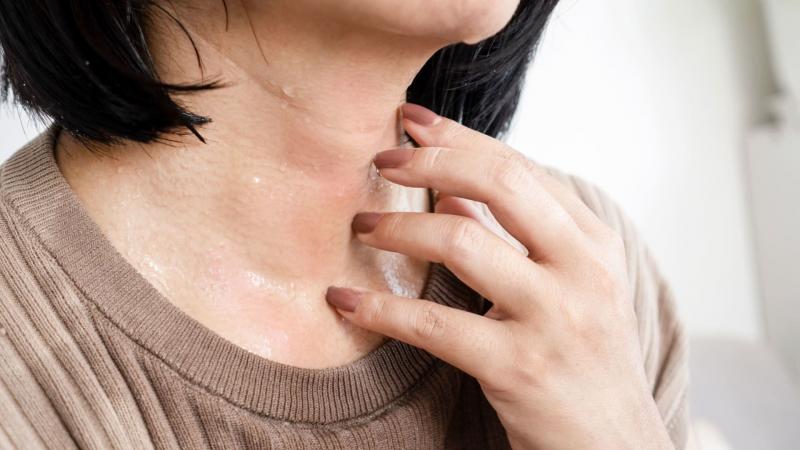
Hot flashes generate numerous questions for women, especially when they occur frequently or at a young age. A hot flash is characterized by a sudden feeling of warmth, often beginning in the face, neck, and chest, possibly accompanied by flushed skin, sweating, and heart palpitations.
While hot flashes are commonly linked to menopause, they can also result from hormonal imbalances or other health issues. Understanding the possible causes helps determine whether the condition is normal or if medical consultation is necessary.
What Are Hot Flashes?
Hot flashes are brief episodes of intense heat that may last from seconds to several minutes and can recur multiple times during the day or at night, commonly known as night sweats. These symptoms can affect sleep quality and mood, particularly if frequent or severe.
Menopause: The Most Common Cause
Menopause, often referred to as "the change of life," is the leading cause of hot flashes in women. This phase comes with a decline in estrogen levels, affecting the body's temperature regulation center in the brain.
Hot flashes can begin in the pre-menopause phase, known as "Perimenopause," where hormonal levels fluctuate before menstrual periods cease entirely.
Causes of Hot Flashes in Women

Surgical or Medical Menopause
Hot flashes may arise suddenly and more intensely following certain medical procedures. For instance, the removal of ovaries or chemotherapy or radiation treatment can sharply decrease female hormone levels, intensifying these episodes.
Some women may require medical follow-up to find treatment options to alleviate symptoms and improve life quality.
Thyroid Disorders
Hot flashes aren’t always linked to menopause; they may indicate hyperthyroidism, which speeds up the body’s metabolism, causing symptoms like:
- Constant heat sensation.
- Increased sweating.
- Heart palpitations.
- Unexplained weight loss.
- Nervousness and sleep disturbances.
In such cases, thyroid function tests may prove beneficial.
Stress and Psychological Pressure
Chronic stress can stimulate the release of stress hormones like adrenaline and cortisol, increasing heart rate and heat sensation.
Many women may notice more frequent hot flashes during stress or anxiety periods, making relaxation techniques an essential part of managing this condition.
Trigger Foods and Drinks
Certain dietary habits may increase the frequency and intensity of hot flashes.
Key triggers include:
- Spicy foods.
- Hot beverages.
- Caffeine.
- Sugary drinks.
- Alcohol.
Reducing intake of these may help diminish symptoms for many women.
Overweight and Obesity
Research suggests that overweight women may be more prone to hot flashes. Excess fat can hinder the body’s ability to effectively dissipate heat, causing discomfort.
Weight loss and improved fitness may reduce symptom severity in some cases.
Medications That May Cause Hot Flashes
Hot flashes might be a side effect of certain medications, including:
- Some breast cancer treatments.
- Antidepressants.
- Hormonal therapies.
- Drugs affecting blood pressure or the nervous system.
If symptoms start after a new medication, discussing it with a doctor is advisable before abruptly stopping treatment.
Infections and Chronic Diseases
In certain cases, hot flashes may relate to inflammation or chronic disease. Some viral or bacterial infections can cause heat sensation and sweating, especially if accompanied by a low-grade fever.
Some rare health conditions might also present similar symptoms, warranting medical evaluation if the problem persists.

When to See a Doctor?
Consult a doctor if:
- Hot flashes appear at a young age.
- Symptoms persist for prolonged periods.
- They affect sleep or daily life.
- Accompanied by unexplained weight loss.
- Severe palpitations or other unusual symptoms occur.
The doctor may recommend tests, such as thyroid function analysis or hormone level assessments, to find the underlying cause.
Tips for Reducing Hot Flashes
Simple lifestyle changes might help alleviate symptoms, including:
- Wearing light, comfortable clothing.
- Avoiding spicy foods and caffeine.
- Maintaining a healthy weight.
- Exercising regularly.
- Sleeping in a well-ventilated room.
- Practicing relaxation and deep-breathing techniques.
In conclusion, the causes of hot flashes in women vary from natural hormonal changes to health issues requiring medical attention. Although menopause is the most common cause, persistent or unusual symptoms should not be ignored.
See Also:
Best Concealer for Dark Circles