


Protein is a vital nutrient essential for maintaining the body's health. It is involved in forming muscles, bones, skin, and hair, as well as repairing damaged cells and enhancing immune functions. Experts recommend consuming adequate amounts of protein daily, tailored to age, physical activity, and health status.
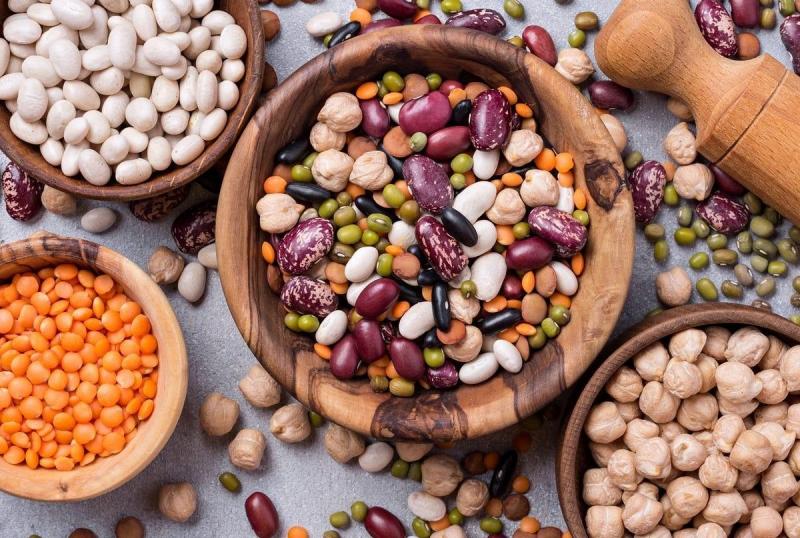
Natural protein sources vary from animal products like meat, fish, eggs, and dairy, to plant-based foods like legumes, nuts, and seeds. Diversifying these sources ensures a comprehensive nutrient intake.
Why Does the Body Need Protein?
Protein performs numerous vital functions, including:
- Building and maintaining muscle mass.
- Repairing tissues and cells.
- Supporting the immune system.
- Producing enzymes and hormones.
- Promoting satiety and aiding in weight control.
- Contributing to the health of hair, skin, and nails.
Best Animal Protein Sources
Chicken Breast
Chicken breasts are high in protein and low in fat, making them ideal for athletes and health-conscious individuals.
Key Benefits
- High-quality protein.
- Low in fat.
- Rich in B vitamins.
- Easy to prepare.
Fish
Fish such as salmon, tuna, and sardines provide excellent protein and are rich in omega-3 fatty acids beneficial for heart and brain health.
Key Benefits
- High-quality protein.
- Omega-3 fatty acids.
- Vitamin D.
- Important minerals like selenium.
Eggs
Eggs are one of the best natural sources of complete protein as they contain all the essential amino acids the body needs.
Key Benefits
- Complete protein.
- Rich in choline.
- Good source of vitamin B12.
- Suitable for most meals.
Lean Red Meat
Lean red meats provide high-quality protein along with iron, zinc, and vitamin B12 but should be consumed in moderation.
Dairy Products
Dairy items like yogurt, cheese, and Greek yogurt offer protein and essential calcium for bone health.
Best Plant-Based Protein Sources
Lentils
Lentils are among the best plant-based protein sources, rich in fiber and iron.
Key Benefits
- Plant protein.
- Dietary fiber.
- Helps in satiety.
- Supports heart health.
Chickpeas
Chickpeas offer a good protein amount, used in many dishes like hummus and salads.
Beans
Beans of various types contain protein and fiber, making them an excellent choice for vegetarians.
Fava Beans
Fava beans are famous plant protein sources, especially for breakfast, containing fiber and vitamins.
Nuts
Nuts like almonds, walnuts, pistachios, and cashews are rich in protein and healthy fats but should be eaten in moderation due to high calories.
Seeds
Include chia seeds, flaxseeds, pumpkin seeds, and sunflower seeds that provide protein, fiber, and healthy fats.
Is Plant Protein Equal to Animal Protein?
Animal proteins typically contain all essential amino acids, while plant proteins may lack some. However, vegetarians can obtain complete proteins by diversifying sources, such as combining legumes and whole grains.
How Much Protein Does the Body Need Daily?
Daily protein needs vary by age, gender, and activity level but generally:
- Most healthy adults require about 0.8 grams of protein per kilogram of body weight daily.
- Athletes or those doing resistance training may need more, as recommended by specialists.
Tips for Healthy Protein Intake
For maximum benefit from protein, consider the following:
- Diversify protein sources between animal and plant-based options.
- Choose lean meats.
- Consume fish twice weekly.
- Increase legume intake.
- Avoid excessive processed meats.
- Distribute protein across daily meals instead of consuming it in one meal.
Conclusion
Natural protein sources are available in various animal and plant foods. Diversifying these sources is the best way to meet the body's protein and other nutrient needs. Following a balanced diet rich in protein supports muscle health, enhances satiety, and promotes long-term overall health.
See Also