



Breast cancer is one of the most common cancers among women worldwide, occurring due to uncontrolled abnormal growth of breast cells. While diagnosis can be concerning, early detection often leads to better treatment outcomes.
Symptoms may vary among women. Some may notice slight changes in breast shape or an unusual lump, while others might not notice any clear signs initially. Therefore, being attentive to new changes and undergoing regular screenings are crucial for early detection.
What Are the Early Symptoms of Breast Cancer?
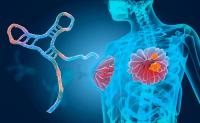
Presence of a Lump or Thickening in the Breast
Noticing a new lump in the breast or underarm should be a significant point of concern.
While not all lumps are cancerous, with many being benign, any new or unusual lump should be evaluated by a physician to determine its cause.
Changes in Breast Size or Shape
Some women may notice an unexplained change in the size of one breast or new asymmetry compared to the other breast.
Such changes can be minor but warrant examination if they appear suddenly or persist.
Breast Skin Changes
Potential changes to watch for include:
- Persistent redness.
- Skin thickening.
- Texture resembling orange peel.
- Retraction or dimpling of part of the skin.
These changes arise from tumor effects or associated inflammation on breast tissue.
Nipple Changes
Early signs might include:
- The nipple turning inward after being normal before.
- Change in the direction of the nipple.
- Persistent pain or discomfort in the nipple area.
These changes are not always due to cancer but require medical evaluation upon appearance.

Abnormal Nipple Discharge
Some women might experience discharge from the nipple, particularly if:
- It is bloody.
- It is unusually clear.
- It occurs spontaneously without pressure.
This type of discharge needs medical consultation to determine the cause.
Persistent Breast Pain
While pain is not the most common breast cancer symptom, persistent pain or a new sensation change inside the breast warrants evaluation, especially if it accompanies other symptoms.
Swelling in the Breast or Armpit
Swelling may occur in part of the breast or under the arm due to affected lymph nodes or changes in breast tissues.
Attention is needed for swelling that does not subside or occurs without a clear cause.
Does Every Breast Change Indicate Cancer?
No. Many breast changes are due to non-cancerous reasons, like hormonal fluctuations, cysts, or infections.
The key difference is that any new and persistent change requires medical examination to clarify its nature, particularly if it is unlike typical changes experienced by the woman.
Factors Increasing Breast Cancer Risk
Several factors may be associated with increased risk, including:
- Aging.
- Family history of breast cancer.
- Some inherited genetic mutations.
- Exposure to certain hormonal factors.
- Lack of physical activity.
- Obesity after menopause.
Presence of these factors does not guarantee cancer but may necessitate more regular monitoring.
The Importance of Early Breast Cancer Screening
Early screening helps detect the disease before spreading, increasing treatment options and improving control prospects.
Screening methods include:
- Self-examination of the breasts for unusual changes.
- Clinical examination by a doctor.
- Mammogram imaging based on age and risk factors.
- Additional tests as needed.
See Also:
How to Safely Enlarge Breasts?
Do Silicone Implants Affect Pregnancy?
Difference Between Breast Enlargement with Silicone and Fat Injection