



Retinol has become a widely popular ingredient in skincare products, especially for its role in renewing skin cells, boosting collagen production, and improving the appearance of fine lines, spots, and acne scars.
However, some users notice new breakouts or temporary acne flare-ups after starting its use, raising concerns that might lead some to discontinue it.
This reaction may be a natural result of the skin adjusting to the new ingredient or an indication of improper usage.
What Causes Breakouts After Using Retinol?
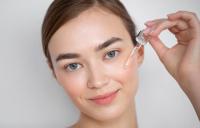
Retinol Purging
One common reason for breakouts post-retinol use is purging.
This occurs because retinol accelerates the skin's cell turnover process, which helps expel clogged pores and accumulated oils faster.
Breakouts may appear during the initial weeks of usage, often in areas prone to acne such as the forehead, chin, and cheeks.
Typically, this purging phase is temporary, lasting from several weeks to a few months, after which the skin improves gradually.
Using High-Concentration Retinol
Starting with a strong retinol concentration can overwhelm the skin, especially for people new to Vitamin A derivatives.
High doses increase the likelihood of:
-Acne.
-Redness.
-Dryness.
-Scaling.
It's advisable to begin with a low concentration and gradually increase as the skin's tolerance builds.
Using Retinol Daily from the Start
Skin requires time to adapt to retinol, so daily usage initially might cause irritation and breakouts.
It's usually recommended to start one to two times a week, gradually increasing frequency as skin tolerance improves.
Mixing Retinol with Other Potent Ingredients
Breakouts or irritation may occur when retinol is used with other strong active ingredients such as:
-Strong exfoliating acids.
-Salicylic acid.
-Alpha hydroxy acids.
-Physical exfoliant products.
Combining these may weaken the skin barrier and heighten sensitivity.

Dry Skin and Weakened Protective Barrier
Retinol accelerates cell turnover, possibly causing dryness initially.
When the skin's natural protective layer weakens, symptoms like:
-Small pimples.
-Redness.
-Tightness.
-Product sensitivity may occur.
Therefore, moisturizing is a key part of retinol use.
Choosing an Unsuitable Product
Not all retinol types suit every skin type.
Some formulations may cause problems for individuals with sensitive or pore-clogging-prone skin, particularly if additional ingredients don't suit the skin type.
How to Differentiate Between Purging and Retinol Irritation?
Signs of Skin Purging
Purging typically occurs:
-In usual breakout areas.
-Temporarily at the start of use.
-With gradual improvement over time.
Signs of Skin Irritation
Irritation can manifest as:
-Severe itching.
-Persistent redness.
-Burning sensation.
-Severe peeling.
-Breakouts in new areas.
In such cases, the skin may need a break from retinol to rebuild its protective barrier.
How to Use Retinol Properly?
Start Gradually
It's preferable to begin using retinol once or twice a week, then increase usage according to skin response.
Applying a Small Amount
A small pea-sized amount is often enough for full face coverage.
Using a Moisturizer
A moisturizer helps reduce dryness and irritation. The "retinol sandwich" method involves applying moisturizer before and after retinol for sensitive skin.
Using Sunscreen
Retinol heightens sun sensitivity, so wearing sunscreen in the morning is crucial for preserving skin health.
See also: Benefits of Niacinamide for Skin