


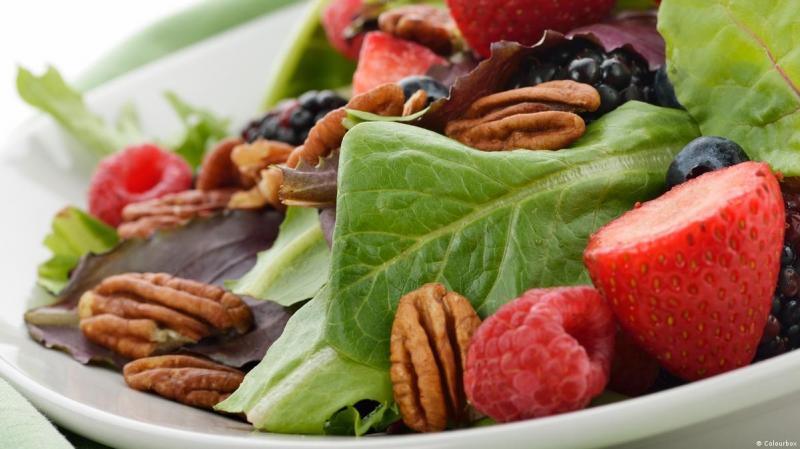
As many individuals search for the best foods for fatty liver patients after diagnosis or noticing elevated liver enzymes, it's essential to recognize that diet plays a direct role in the amount of fat that accumulates in liver cells and the organ's ability to perform its vital functions.
Additionally, studies have shown that a diet rich in fiber, healthy fats, and antioxidants can help reduce fat accumulation, improve insulin sensitivity, and decrease inflammation associated with fatty liver.
What is Fatty Liver?
Fatty liver is a condition where fats accumulate within liver cells at levels exceeding normal rates. This generally occurs due to several factors including obesity, insulin resistance, high triglycerides, and lack of physical activity.
In its early stages, there may be no clear symptoms, but as fat accumulation continues, issues like persistent fatigue, elevated liver enzymes, or liver inflammation may appear. Therefore, physicians often recommend early intervention through lifestyle and dietary changes.
Best Foods for Fatty Liver Patients
Coffee: The Top Drink for Liver Health
Coffee has garnered significant attention from liver health researchers in recent years. Studies suggest that consuming black coffee without sugar or creamers may help reduce fat accumulation within the liver and improve liver enzyme levels.
Coffee is also linked to a lower risk of disease progression in some patients, and it contains antioxidants that protect liver cells from oxidative stress and chronic inflammation.
Omega-3 Rich Fatty Fish
Omega-3 fatty acids play a vital role in supporting liver health and reducing fat accumulation within it.
Top dietary sources include:
-Salmon.
-Sardines.
-Tuna.
-Mackerel.
These healthy fats also help lower triglyceride levels, reduce inflammation, and improve insulin sensitivity, factors directly linked to improved fatty liver conditions.
Leafy Greens and Cruciferous Vegetables
Vegetables are crucial components of the diet for fatty liver patients, particularly those rich in fiber and antioxidants.
Notable beneficial choices include:
-Spinach.
-Arugula.
-Broccoli.
-Cabbage.
-Cauliflower.
These vegetables contain plant compounds that help detoxify the body and reduce liver fat accumulation. Their fiber content also aids in better blood sugar control and appetite reduction.
Yogurt and Fermented Dairy
There is growing research suggesting a strong link between gut health and liver health, known as the gut-liver axis. Hence, incorporating probiotic-rich yogurt and fermented dairy into the diet is advised.
The beneficial bacteria in these foods improve gut bacteria balance and reduce inflammation, positively influencing liver function. Moreover, yogurt is a good protein source, aiding satiety and potential weight loss when necessary.
Nuts and Flaxseeds
Nuts contain healthy fats, antioxidants, and micronutrients that support liver health. Walnuts are particularly beneficial for fatty liver patients due to their high Omega-3 and plant compound content that enhances liver function.
Flaxseeds provide a substantial amount of fiber and beneficial fatty acids, which improve digestive health and reduce fatty liver risk factors.
Best Fats for Fatty Liver Patients
Extra Virgin Olive Oil
Olive oil is a staple in the Mediterranean diet, known for its numerous health benefits. Studies indicate that its monounsaturated fats can improve liver enzymes and reduce fat accumulation in liver cells.
Avocado
Avocado, rich in healthy fats, fiber, and antioxidants, is excellent for a fatty liver patient's diet. It provides satiety and reduces cravings for calorie-dense processed foods.
Whole Grains and Fiber-Rich Foods
Fiber is crucial for regulating sugar, cholesterol, and triglyceride levels, all of which are closely linked to liver health.
Top sources include:
-Oats.
-Quinoa.
-Bulgur.
-Barley.
-Whole grain bread.
These foods slow sugar absorption and reduce fat storage in the body and liver.
Legumes: Liver-Friendly Plant Protein
Legumes are excellent dietary choices for fatty liver patients, combining plant protein and dietary fiber.
Notable examples include:
-Lentils.
-Chickpeas.
-Beans.
-Fava beans.
These foods promote satiety and better blood sugar control.
Foods and Drinks to Avoid
Added Sugars and Fructose
Excessive sugar intake is a leading cause of fatty liver development. Foods and drinks to limit include:
-Soft drinks.
-Processed juices.
-Commercial desserts.
-Sweetened pastries.
-Sweetened sports drinks.
Added fructose is notably associated with increased liver fat production.
Refined Carbohydrates
Examples include:
-White bread.
-Large amounts of white rice.
-Pasta made from white flour.
-Sweetened breakfast cereals.
Choosing fiber-rich whole grains is a preferable alternative.
Fried Foods and Processed Meats
These products contain high levels of saturated and trans fats that may increase inflammation and exacerbate fatty liver.
Examples include:
-Fast food.
-Sausages.
-Lunch meats.
-Processed meats.
-Frequently fried foods.
Daily Habits to Help Reduce Liver Fat
Regular Exercise
Exercise plays a crucial role in reducing liver fat even without significant weight loss. It is recommended to engage in at least 150 minutes of aerobic activity per week, such as:
-Brisk walking.
-Swimming.
-Cycling.
-Light jogging.
-Gradual Weight Loss
Studies suggest losing 5% to 10% of body weight can significantly improve liver fat and its functions. Sustainable weight loss plans are recommended over quick and strict diets.
Caution with Medications and Supplements
Avoid taking medications or herbal supplements arbitrarily without consulting a doctor, as some products may burden the liver further or interact with other medications.
In conclusion, maintaining a healthy diet is one of the most effective weapons against fatty liver, improving liver function over the long term. Coupled with a healthy lifestyle and regular physical activity, substantial improvements in liver health and overall quality of life can be achieved.
See Also
The Difference Between Keto and Intermittent Fasting