


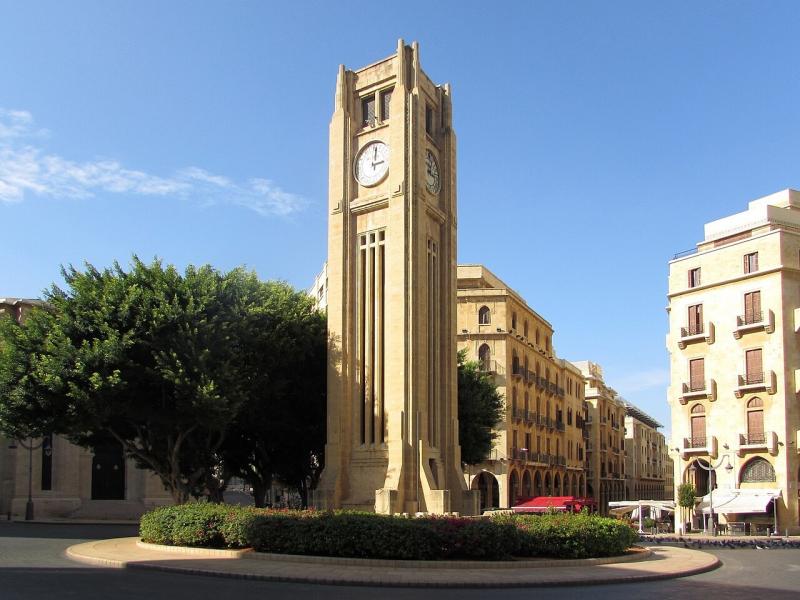
The clock tower holds a central location in the heart of downtown Beirut. It stands amidst the famed square, surrounded by the Lebanese Parliament building and several heritage structures with distinctive architectural styles. Over decades, the tower evolved from a mere architectural feature to one of the most prominent symbols reflecting the identity of the Lebanese capital.
Furthermore, the tower's image has become synonymous with the political, cultural, and social life of Lebanon, making it one of the most photographed and visited sites in Beirut.
The Beginning: Who Was Michel Abed?
The story of the tower traces back to Lebanese expatriate businessman Michel Abed. Originating from the Hamasa area near Zahle, he emigrated in his youth to Mexico, where he amassed significant wealth and achieved notable economic success.
With his growing connection to his homeland, he decided in the early 1930s to offer a special gift to the city of Beirut. This initiative involved funding a modern clock tower in Nijmeh Square, which was undergoing a major urban development project to reorganize and modernize it at the time.
Since then, the tower has been popularly known as "Sa'at Al-Abed," a tribute to the man who wished to leave a lasting imprint in the heart of the Lebanese capital.
Architectural Design: Blending Modernity with Heritage
Architect Mardiros Altounian
The tower's design was entrusted to renowned Lebanese architect Mardiros Altounian, notable in the history of modern Lebanese architecture.
This choice is particularly significant as Altounian also designed the Lebanese Parliament building directly facing the tower. This contributed to creating visual and architectural harmony among the key landmarks in Nijmeh Square.
Mix of Art Deco and Oriental Styles
The tower's design was based on the Art Deco style, popular globally in the 1930s, integrating architectural elements inspired by the neo-Mamluk Islamic style.
This blend gave the tower a unique character that combined European modernity with Eastern identity, allowing it to harmoniously blend with the historical buildings surrounding the square.
Building the Tower and Its Technical Specifications
The project's execution began in 1933, with construction completed the following year, making the tower one of the most significant modern landmarks of Beirut at the time.
The tower is renowned for several engineering specifications that contributed to its fame. Among the most notable:
Tower Height
The tower stands at approximately 15 meters, making it a prominent visual point in the center of Nijmeh Square without obstructing the view of the surrounding historical buildings.
Traditional Lebanese Stone
The construction used traditional Lebanese yellow limestone, famous in traditional Beirut architecture.
The Four Clocks
The tower hosts four large clocks facing north, south, east, and west, visible from the various entrances to the square. These clocks turned the tower into a time reference for the city's residents and visitors, adding to its aesthetic and architectural value.
The Clock Tower During the Lebanese Civil War
With the outbreak of the Lebanese Civil War in 1975, the tower faced one of the toughest phases in its history. Located in Nijmeh Square, within the confrontation line in downtown Beirut, the tower suffered significant damage due to shelling and clashes in the area for many years.
Its stone facades were hit by bullets and shrapnel, and the clocks ceased to function entirely. Additionally, parts of its internal mechanisms were lost, and some components were damaged or stolen during the war years.
Conversely, the tower became a silent witness to a painful chapter in Lebanon's history, similar to many other historical landmarks in the capital's center.
Reconstruction and the Tower's Revival
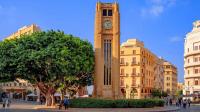
After the Civil War ended and the Beirut downtown reconstruction project began in the 1990s, the clock tower was among the most notable landmarks undergoing meticulous restoration. The restoration involved cleaning the original stones, repairing damaged parts, and reconstructing missing components according to the original historical designs.
Moreover, the clock's mechanical system was updated with specialists to ensure its accuracy and continuity. With Nijmeh Square's reopening in 1998, the tower reclaimed its natural position as one of the most prominent symbols of the Lebanese capital, representing rejuvenation and rebuilding after years of war.
The Clock Tower: A Witness to Modern Lebanon
The tower's significance isn't limited to its historical and architectural value. It has also been associated with various political and social events that Lebanon has witnessed in recent decades.
Nijmeh Square, surrounding it, has been a venue for national celebrations, popular festivals, and major official events. The area has also seen numerous protests and popular movements that have been pivotal in Lebanese political life.
Additionally, the tower remained a part of the Beirut landscape after the Beirut port explosion in 2020, symbolizing resilience, hope, and the will to rise despite challenges.
Why is the Clock Tower Among Beirut's Most Famous Landmarks?
Several reasons have helped the tower maintain its distinctive status to this day, including:
- Its central location in the heart of the capital.
- Its association with modern Beirut history.
- Its unique architectural value.
- Its national and cultural symbolism.
- Its presence in crucial Lebanese political and social events.
Moreover, the tower remains one of the most visited sites by those seeking to discover Beirut's history and learn about its heritage landmarks.
In conclusion, the Clock Tower in Nijmeh Square is more than just a beautiful architectural landmark. It represents a living page of Beirut's history, summarizing Lebanon's transformations over nearly a century. As Nijmeh Square continues to attract visitors and events, the Clock Tower remains a timeless symbol of Beirut's past and its continuous ability to rise and reinvent itself.
See Also:
Best Sushi Restaurants in Gemmayzeh