


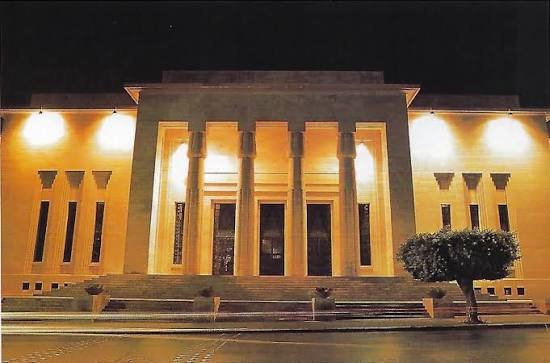
The Beirut National Museum is Lebanon's main archaeological museum, showcasing over 1,300 artifacts selected from tens of thousands found across Lebanese archaeological sites.
These exhibits represent the successive civilizations in Lebanon, from prehistoric times through the Phoenician, Roman, and Byzantine periods, up to the Islamic and Ottoman eras.
The museum is structured into three main levels designed to guide visitors through the chronological evolution of civilizations, highlighting significant archaeological discoveries that demonstrate Lebanon's societal development over millennia.
What Can You Find in the Beirut National Museum?
Ground Floor
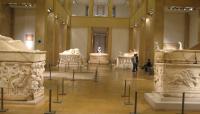
The ground floor features an array of large stone artifacts and greets visitors with statues, sarcophagi, and inscriptions from the Phoenician, Roman, and Byzantine civilizations.
Highlighted Exhibits:
Phoenician Sarcophagi
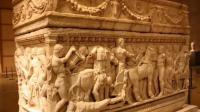
Notable Phoenician stone sarcophagi crafted with intricate carvings, reflecting Phoenician burial rituals, are on display. The sarcophagus of King Ahiram is particularly famous due to its historical engravings.
Roman Statues
The museum exhibits several marble and bronze Roman statues, alongside architectural columns and capitals discovered in ancient Lebanese cities like Baalbek and Tyre.
Mosaics
Large Roman and Byzantine mosaics illustrating mythical scenes and decorative patterns are prominently displayed on the ground floor.
Upper Floor
The upper floor offers visitors a chronological journey from prehistoric times through the Bronze and Iron Ages, then onto the Phoenician, Hellenistic, Roman, and Byzantine periods.
Featured Exhibits:
Gold Jewelry
The museum displays gold jewelry collections from Phoenician royal tombs, noted for their precise craftsmanship and intricate designs.
Pottery
Hundreds of pottery jars and utensils depicting everyday life, trade, and ancient industries in Lebanon are featured.
Phoenician Glass
A distinguished collection of Phoenician and Roman glass pieces showcases the evolution of glassmaking in Lebanon's coastal cities.
Ivory and Sculptures
The museum also includes decorated ivory boxes and panels, alongside rare small sculptures and bronze statues from various historical periods.
Lower Floor
Reopened after museum rehabilitation, the lower floor specializes in funeral rites across history.
Key Exhibits:
Mummies
Mummies from the medieval period, discovered in Northern Lebanon, represent significant archaeological findings.
Tombs and Sarcophagi
This floor houses numerous graves, sarcophagi, and stone coffins demonstrating burial practices from the Stone Age to the Ottoman era.
Funerary Artifacts
The section includes coins, jewelry, tools, and amulets that were interred with the deceased throughout various civilizations. According to the Lebanese Ministry of Culture, this area emphasizes the evolution of funerary practices over millennia.
Significant Artifacts
The Beirut National Museum is renowned for several archaeological treasures, including:
- Ahiram Sarcophagus
- Phoenician sarcophagi collection
- Byzantine mosaics
- Roman statues
- Phoenician gold jewelry
- Phoenician glass
- Mummies found in Northern Lebanon
- Stone inscriptions and Roman columns
These artifacts embody the cultural diversity experienced on Lebanese soil over thousands of years.
How Long Does a Visit Take?
A tour through the museum typically lasts between one to two hours, possibly longer for history and archaeology aficionados—especially if they engage with the exhibit descriptions or watch the documentary detailing the museum's history and restoration.
Is It Family-Friendly?
Absolutely. The Beirut National Museum is suitable for families, students, and tourists, offering a clear visitor path with informative panels in Arabic, French, and English. It also features a gift shop and an audiovisual room.
Also See:
Visiting Hours for Beirut National Museum