


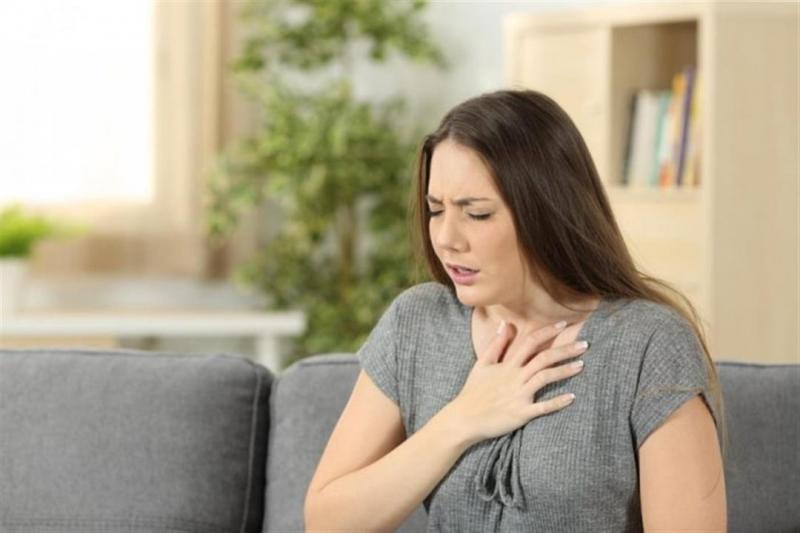
Many people wonder about the dangers of a high heart rate, especially when experiencing heart palpitations or a sudden increase in heartbeats. In most cases, a high pulse is a natural response to physical exertion, emotional stress, or a rise in body temperature. However, certain circumstances might indicate an underlying health issue that warrants medical attention.
The assessment of how dangerous a high pulse is depends on several factors, including the speed and duration of the heartbeat, accompanying symptoms, and the individual's overall health. Recognizing warning signs helps to differentiate between normal and potentially serious conditions that require prompt medical intervention.
What is the Normal Heart Rate?
The normal heart rate for adults at rest typically ranges between 60 and 100 beats per minute. It may be lower in athletes and highly fit individuals.
Moreover, it's normal for the heart rate to temporarily rise during exercise, stress, fear, after consuming large quantities of caffeine, or during a fever. In these instances, the pulse gradually returns to its normal level once the trigger is removed.
When Does a High Pulse Become an Emergency?

Chest Pain or Pressure
Feeling pain, pressure, or tightness in the chest is one of the most critical warning signs. This symptom may indicate reduced heart perfusion or a heart attack, especially if the pain spreads to the arm, shoulder, or jaw.
Severe Shortness of Breath
If a high pulse is accompanied by noticeable difficulty in breathing or an inability to take a deep breath, it could signal a cardiac or respiratory issue requiring immediate evaluation.
Fainting or Severe Dizziness
If rapid heartbeats result in loss of consciousness or extreme dizziness, it may mean the heart isn't pumping sufficient blood to the brain. This condition is a significant indicator that urgent medical care is needed.
Mental Status Changes
This includes feelings of confusion, sudden severe fatigue, or difficulty concentrating. Such symptoms might suggest inadequate blood flow to vital organs due to a heart rhythm disorder.
When is a Fast Heart Rate Concerning?
The risk isn't solely associated with palpitations, but also with the number of beats and their duration.
A Heart Rate Exceeding 150 to 200 Beats per Minute at Rest
A persistently high rate while sitting or resting is particularly concerning, as a faster heart leaves less time for the heart to fill with blood between beats, potentially impairing circulation and reducing blood supply to body organs. Additionally, prolonged acceleration can place extra strain on the heart muscle.
Persistent or Recurring Acceleration
If palpitations start suddenly and last for several minutes or hours, and then recur regularly without physical effort or a clear cause, they may indicate an electrical disorder in the heart needing medical assessment.
Factors Increasing the Risk of High Heart Pulses
Worry levels vary from person to person, with some requiring closer monitoring due to factors heightening the risk of complications.
Heart Diseases
The importance of accelerated pulses increases among individuals with:
-Weak heart muscle.
-Coronary artery disease.
-History of heart attacks.
-Heart failure.
In these cases, a high pulse may indicate worsening conditions or a disorder requiring treatment.
Electrical Disorders in the Heart
Heart rhythm disorders are significant causes of increased heart rate, including:
-Atrial fibrillation.
-Atrial flutter.
-Supraventricular tachycardia.
-Ventricular tachycardia.
Symptoms of these disorders range from minor palpitations to serious conditions affecting circulation.
Impact of Palpitations on Everyday Life
If palpitations hinder daily activities or cause persistent fatigue or shortness of breath during mild exertion, a doctor's visit is warranted, even without severe symptoms.
Common Causes of High Pulse
Stress and Anxiety
Stress hormones like adrenaline naturally increase heart rate.
Fever and High Temperature
The body's need for more oxygen with a rise in temperature prompts the heart to work faster.
Dehydration
Fluid loss can reduce blood volume, causing the heart to increase beats to compensate.
Excess Caffeine and Stimulants
Coffee, energy drinks, and certain stimulants may temporarily speed up heart rate in some individuals.
Physical Activity
During exercise, the pulse naturally increases to meet the muscles' oxygen and energy needs.
When to Consult a Doctor?
Even in the absence of emergency symptoms, it's advisable to schedule a medical appointment if:
-Frequent high pulse episodes occur.
-Palpitations happen without a clear reason.
-Acceleration persists for extended periods.
-It coincides with unexplained fatigue.
-It accompanies mild breathing difficulty or recurring chest pain.
-The person has a cardiac medical history.
The doctor might request an ECG, 24-hour heart rate monitoring, or tests for thyroid function and electrolytes to determine the cause.
How to Accurately Measure the Pulse?
The pulse can be measured by placing two fingers on the wrist or side of the neck and counting the beats for 60 seconds while at rest. Smartwatches and wearables assist in continuous pulse monitoring, yet they do not substitute for medical evaluation when concerning symptoms appear.
In conclusion, the danger of a high heart rate depends on its speed, duration, accompanying symptoms, and the individual's health condition. Monitoring these signs aids in early detection of potential issues and maintaining heart health.
See Also
Signs of Iron Deficiency