


Foreign banks play a pivotal role in Lebanon's financial system, strengthening financial and trade relations between Lebanon and regional and global markets. Over the decades, major Arab and international financial institutions have chosen Beirut as a hub for their activities or to represent their interests in the region.
Despite recent economic and financial developments in Lebanon, some foreign banks have continued to operate within the legal and regulatory frameworks established by the Central Bank of Lebanon. Furthermore, global financial institutions have maintained their presence through representative offices, aimed at enhancing investment and trade cooperation without offering direct banking services to the public.
Importance of Foreign Banks in Lebanon
The presence of foreign banks is crucial in boosting confidence in the financial sector and facilitating cross-border capital movement and investments. These institutions help connect Lebanese companies to international financial networks, providing specialized banking services to multinational corporations and investors.
Additionally, foreign banking presence contributes to the transfer of expertise and modern technologies to the local financial sector, improving banking services and competition within the Lebanese market.
Foreign and Arab Commercial Bank Branches in Lebanon
Arab Bank
The Arab Bank is one of the oldest Arab banking institutions operating in Lebanon. It belongs to the Arab Bank Group, headquartered in Jordan, and provides a wide range of banking services for individuals and companies.
Moreover, the Arab Bank boasts an extensive network of branches and international banking relations, making it a prominent regional bank in the Arab world.
Citibank N.A.
Citibank is one of the leading American banks operating in Lebanon, primarily focusing on financial services for large corporations and institutions.
The bank leverages its wide global network spanning dozens of countries, serving as an essential partner for companies engaging in international trade and investment activities.
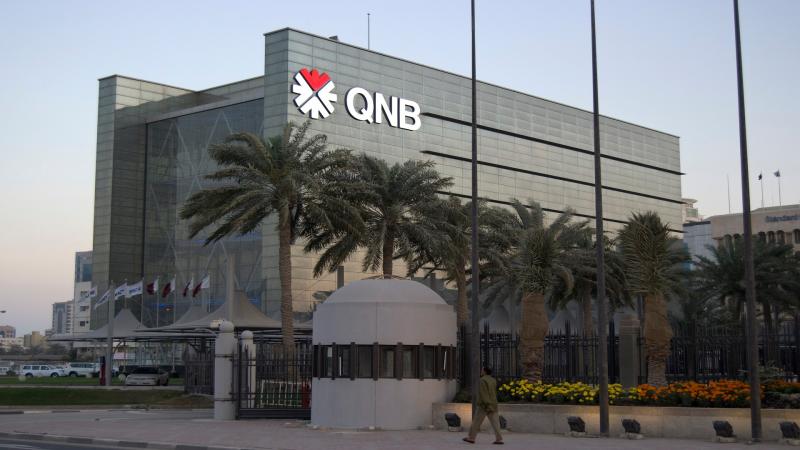
Qatar National Bank (QNB)
Qatar National Bank is one of the largest banking institutions in the Middle East and Africa, with a presence in numerous regional and international markets.
In Lebanon, the bank offers a variety of banking services, including trade finance, corporate banking, and managing financial relationships with local and international clients.
Banque Misr Liban (BML)
Banque Misr Liban combines Lebanese banking expertise with Egyptian investments, offering diverse financial services to individuals and companies.
The bank supports economic and trade relations between Lebanon and Egypt, leveraging the historical and economic ties between the two countries.
Rafidain Bank
Rafidain Bank is one of the noteworthy Iraqi banks present in the Lebanese market, offering banking and trade services targeting individuals and companies with commercial relations with Iraq and neighboring markets.
Bank of Baghdad
The Bank of Baghdad is an Iraqi banking institution operating in Lebanon, providing diverse banking services with a focus on supporting trade and investment activities between Lebanon and Iraq.
Bank Saderat Iran
Bank Saderat Iran is one of the oldest foreign banks in Lebanon, having operated in the Lebanese market for decades. It offers banking and trade services within the applicable legal and regulatory frameworks, serving a clientele engaged in regional commercial and investment activities.
Global Bank Representative Offices in Lebanon
In addition to commercial bank branches, Beirut hosts several representative offices of major global financial institutions.
Unlike traditional bank branches, these offices do not provide services like deposits or withdrawals or opening accounts for clients. They focus on studying the Lebanese market and developing investment and trade relations with local institutions.
JP Morgan Chase Bank
JP Morgan maintains a representative office in Lebanon to enhance communication with local businesses and financial institutions, linking them to the group's global services. The bank is one of the largest financial institutions worldwide in terms of assets and market value.
The Bank of New York Mellon
The Bank of New York Mellon focuses on custodial services, asset management, and international banking services. Its representative office facilitates interbank relationships and correspondence between Lebanese institutions and global markets.
Commerzbank
Commerzbank is one of Germany's largest banks, and its representative office in Lebanon supports trade and investment relationships between Lebanese and European companies.

Intesa Sanpaolo
Intesa Sanpaolo group is among Italy's largest banking groups, and its representative office in Beirut aims to enhance economic cooperation and investment opportunities between Lebanon and Italy.
UBS Switzerland AG
UBS is globally renowned for wealth management and investment advisory services, with its representative office in Lebanon focusing on communication with investors and businesspeople, providing links to the group's global financial services.
Legal Status of Foreign Banks in Lebanon
All foreign branches operating in Lebanon are subject to laws and regulations issued by the Central Bank of Lebanon and competent regulatory bodies. These banks comply with the same circulars and regulatory procedures applicable to Lebanese banks.
Furthermore, foreign banks in the country have experienced the same impacts affecting the Lebanese banking sector during the financial crisis, with restrictions and circulars related to withdrawals and bank transfers enforced according to established official decisions.
Difference Between Bank Branches and Representative Offices
It is crucial to distinguish between commercial bank branches and representative offices when discussing foreign banks. Bank branches have the authority to provide direct banking services such as account opening, accepting deposits, executing transfers, and offering certain financial facilities.
In contrast, representative offices are limited to market research, building trade and investment relationships, and engaging with potential clients without conducting traditional banking activities within Lebanon.
Future of Foreign Banks in Lebanon
Despite the economic and financial challenges Lebanon has faced in recent years, the Lebanese market retains its strategic importance for many regional and international banking institutions.
The future presence of foreign banks is expected to be linked to the success of financial and economic reforms and the restoration of confidence in the local banking sector. Additionally, the market may witness future expansion in digital services and financial technologies adopted by global banks.
In conclusion, foreign banks in Lebanon continue to play a significant role in linking the Lebanese economy with global markets and providing diverse banking and investment services. With any future economic improvement, the importance of these banks may increase in supporting investment and trade movements and enhancing Lebanon's integration into the global financial system.
See also
Top 10 Most In-Demand Majors in the Lebanese Job Market