


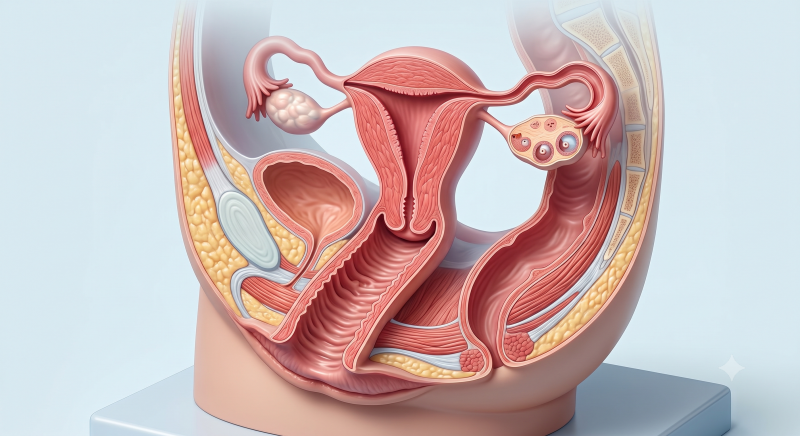
The glands in the cervix and vagina produce secretions that help remove old cells and bacteria, maintaining the vagina's natural hydration and balance. Thus, vaginal discharges themselves are not a cause for concern; rather, they are a natural part of reproductive health.
The nature of these discharges changes throughout the menstrual cycle and can be influenced by pregnancy, hormonal changes, or certain medications. However, noticeable changes in color, odor, texture, or accompanying symptoms could indicate an infection or health issue that requires examination.
When Are Vaginal Discharges Dangerous?
Vaginal discharges may become concerning if accompanied by any of the following signs:
Significant Color Change
Certain discharge colors may hint at a health problem, such as:

- Yellow or green discharge
- Grey discharge
- Brown discharge or blood-mixed discharge outside the menstrual cycle
- Clumpy white discharge resembling cheese, especially with itching or burning
Color change doesn't always indicate a severe disease but requires evaluation if it persists or is accompanied by other symptoms.
Unpleasant or Unusual Odor
Normal discharges are typically odorless or have a mild smell. A strong or fishy odor may suggest a bacterial infection or imbalance in vaginal flora.
Itching or Burning
If discharges are accompanied by severe itching, burning, or irritation in the sensitive area, it may indicate a fungal or bacterial infection, or a sexually transmitted disease.
Pain During Urination or Sexual Intercourse
Pain accompanying discharges might point to inflammation in the vagina, cervix, or urinary tract, necessitating medical consultation.
Lower Abdominal or Pelvic Pain
Discharges with pelvic pain might indicate inflammation in internal reproductive organs and require early assessment and treatment.
Fever
If discharge changes are accompanied by fever or chills, it might suggest an infection requiring medical intervention.
Causes of Abnormal Vaginal Discharges

Several factors can change discharges, including:
Fungal Infections
Fungal infections often cause thick white discharges with itching and redness.
Bacterial Vaginosis
A common cause of discharge changes, often resulting in grey discharges with a characteristic smell.
Sexually Transmitted Diseases
Some sexually transmitted infections may lead to abnormal discharges along with pain, bleeding, or burning.
Cervicitis
Cervix inflammation might increase the amount or alter the nature of discharges and require treatment depending on the cause.
Hormonal Changes
Pregnancy, hormonal contraceptives, or approaching menopause can affect discharge quantity and nature.
What Do Natural Discharges Look Like?
Natural discharges are often:
- Clear or white
- Odorless or mildly scented
- Not accompanied by itching or pain
- Change naturally in consistency through the menstrual cycle
See Also:
Causes of White Vaginal Discharges
Symptoms of Uterine Prolapse Cervical Cancer Symptoms Women Should Know