


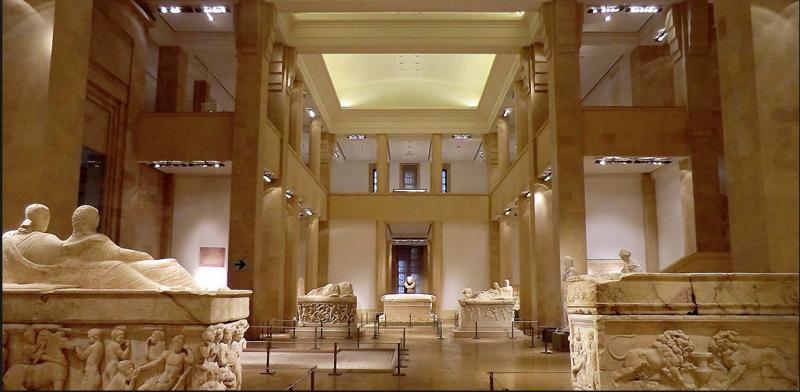
The Beirut National Museum is one of the most prominent cultural experiences available in Lebanon. This historical monument combines distinctive architecture with rare archaeological collections that tell the story of the civilizations that flourished in Lebanon over thousands of years.
Located in the heart of Beirut, the museum is the premier guardian of Lebanese heritage. Since its opening in the 1940s, it has successfully gathered and preserved thousands of archaeological pieces from various regions across Lebanon, making it a key reference for researchers and visitors interested in ancient Middle Eastern history.
About Beirut National Museum
The Beirut National Museum is the largest archaeological museum in the country and one of the most important cultural institutions in the Middle East. Its vast collection spans from prehistoric times through the Phoenician, Greek, Roman, Byzantine, and Islamic civilizations.
Moreover, the museum played a pivotal role in protecting Lebanese heritage during periods of unrest and wars, preserving many precious artifacts through innovative methods that prevented their damage or loss.
Ground Floor: Sculptures and Large Artifacts
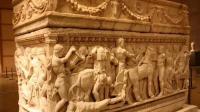
Sarcophagus of King Ahiram
The sarcophagus of King Ahiram is one of Lebanon's most famous artifacts and a highlight of the museum. Dating back to the 10th century BC, it was discovered in the ancient city of Byblos.
This sarcophagus is significant for having one of the oldest known inscriptions in the Phoenician alphabet, engraved by Itobaal, son of King Ahiram. Historians consider it a crucial discovery linked to the history of writing.
Roman Sarcophagi of Tyre
The Roman sarcophagi of Tyre captivate visitors with their grand scale and intricate carvings, dating to the 2nd century AD. These marble sarcophagi depict scenes inspired by ancient Greek mythology.
Additionally, the engravings reflect advanced artistic creativity that distinguished craftsmen during the Roman era in the Eastern Mediterranean.
Byzantine Mosaics
The museum houses a distinctive collection of Byzantine mosaics rescued from various archaeological sites across Lebanon. The "Seven Sages" mosaic is among the most renowned, combining artistic precision with the intellectual symbolism of Byzantine art of that era.
Children's Statues from Sidon
Noteworthy are the marble children's statues discovered in ancient Sidon, used as religious offerings in the temple of Eshmun, a key Phoenician religious center. These statues offer a unique glimpse into the religious rituals and beliefs prevalent in ancient Phoenician society.
Upper Floor: Details of Daily Life Through the Ages
After exploring the large artifacts on the ground floor, visitors move to the first floor, which showcases over a thousand small artifacts organized chronologically to illustrate the evolution of daily life in Lebanon through the ages.
Pottery and Ceramics
The pottery and ceramic exhibits display how lifestyles and production methods evolved during the Bronze and Iron Ages, featuring jars, storage vessels, and household items used in everyday life, helping visitors understand ancient practical life aspects.
Royal Jewelry
The museum displays an impressive array of jewelry discovered within the royal tombs in Byblos, including golden crowns, bracelets, amulets, and intricate ornaments reflecting the prosperity and craftsmanship of Phoenician civilization at its peak.
Metalware and Ancient Weapons
The upper floor also includes an extensive collection of bronze items and ancient weapons used for hunting, wars, and religious celebrations.
Notable among these are small gold-plated statues and arrowheads, offering a vivid depiction of the metallurgical techniques known to ancient civilizations.
Basement: Secrets of Funerary Art and Burial Rituals
Phoenician Anthropoid Sarcophagi
The museum boasts one of the world's largest collections of anthropoid sarcophagi, characterized by facades carved into human faces representing their elite Phoenician owners. These pieces reveal Egyptian and Eastern influences that merged with Phoenician art during that time.
The Kadisha Valley Mummies
Among the museum's rare treasures are three natural mummies found in the Kadisha Valley, northern Lebanon. These mummies date to the 13th century and were found with their clothing and personal belongings exceptionally preserved, providing scholars with a rare opportunity to study medieval Lebanese social life.
Tower of the North Burial Chamber
The museum features a detailed reconstruction of an underground Roman burial chamber found near Tyre, adorned with colored murals and funerary inscriptions reflecting Roman beliefs about death and the afterlife. One of the famous inscriptions states: "Be brave. No one is immortal."
Oldest Image of the Virgin Mary in Lebanon
This section also includes a Byzantine fresco dating to the 5th century, one of the oldest known images of the Virgin Mary in Lebanon. The fresco holds significant religious and artistic importance due to its rarity and historical value in early Christian art studies.
Why is the Beirut National Museum One of the Middle East's Most Important Museums?
The museum's importance lies not only in the number of artifacts it possesses but also in its ability to provide a comprehensive narrative of Lebanon's history across millennia. Visitors can trace the evolution of civilizations in the region and understand their influence on shaping Lebanon's contemporary cultural identity.
Additionally, the museum offers a rich educational experience for students, researchers, and tourists eager to learn about ancient Near Eastern history through rare original pieces.
Tips for Enjoying a Tour Inside Beirut National Museum
To maximize enjoyment, it is recommended to dedicate several hours to exploring the three floors, stopping at major artifacts, and reading their accompanying descriptions.
Using the audio guide or engaging specialized guides is also advised to understand the historical backgrounds of the exhibits and appreciate their intricate details more deeply.
In conclusion, the Beirut National Museum provides an exceptional journey through Lebanon's history and its ancient civilizations, making it one of the most important cultural and tourist destinations worth visiting for anyone aspiring to understand Lebanon and the region's rich history.