


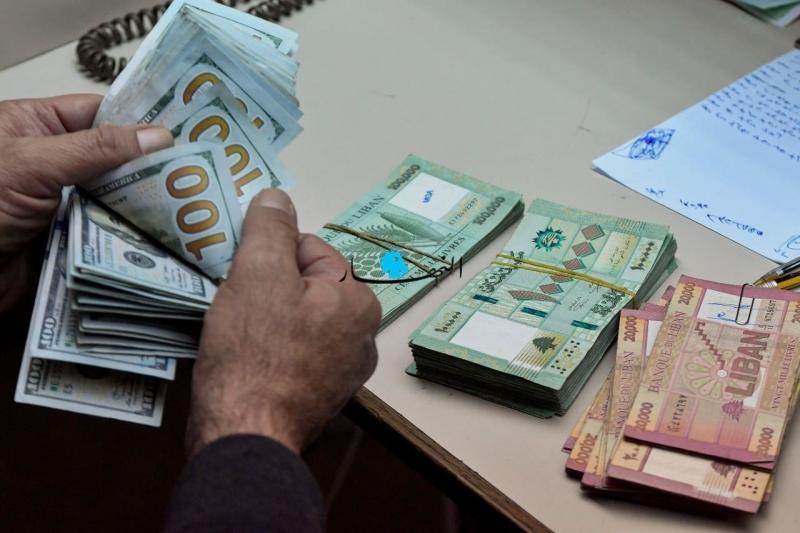
Loans are a highly sought topic among individuals seeking personal, housing, or consumer financing. Although conditions vary from one bank to another and depending on the type of loan, most Lebanese banks follow similar criteria aimed at evaluating the customer's repayment capability and minimizing credit risk.
In recent years, due to economic and financial challenges in Lebanon, banks have become stricter in evaluating loan applications. Hence, applicants need to meet a set of fundamental requirements and provide documents proving their income and financial stability before obtaining final approval.
General Requirements for Obtaining a Loan in Lebanon

Nationality and Age
In most cases, it is required for the loan applicant to hold Lebanese citizenship. However, some banks allow certain categories of residents or foreigners to obtain certain types of financing under specific conditions.
Regarding age, the applicant must meet the legal age requirement set by the bank, usually a minimum of 21 years. Banks also require that the borrower's age does not exceed the set maximum age at the time the final loan installment is due.
Minimum Monthly Income
Monthly income is a crucial factor in loan approval. Banks require proof of a stable and regular income that allows installment payments without financial difficulties.
Moreover, the minimum required income may vary according to the type of loan, the amount of financing, and the lending institution. Usually, the requirements are higher for self-employed individuals compared to employees.
Debt Burden Ratio
Banks assess the client's repayment capability by calculating the ratio of monthly obligations to total income. Most banks do not allow monthly installments and financial obligations to exceed a certain percentage of the salary to ensure the borrower's sustainable financial commitment.
Job Stability
Many banks require a specified period of service with the current employer before applying for a loan. For employees, it is preferred that the applicant has spent an appropriate period in their current position.
Self-employed individuals are required to prove that they have been engaged in their professional activity for a stable period and provide documents that prove income continuity.
Required Documents for Acquiring a Loan in Lebanon
After meeting basic requirements, the bank requests a set of documents to assess the applicant's financial and legal status.
Identity and Residence Proof
Banks typically request a copy of a valid Lebanese identity card or passport. Additionally, documentation proving the current address, such as a residence certificate or a recent utility bill, is required.
Income Proof for Employees
Employees need to provide a salary certificate issued by their employer, indicating the monthly salary, job position, and employment date. Some banks also require salary disbursement into or regular transfer to an account maintained at the bank throughout the loan term.
Income Proof for Self-Employed
Self-employed individuals often need to submit additional documents to prove their financial capability. These include bank statements, proof of business or professional registration, available tax documents, and any other documents that prove revenue continuity.
The Importance of Credit History in Loan Approval
Credit history plays a crucial role in the bank's decision to grant financing. The cleaner and trouble-free the credit history, the higher the chances of getting approval with better terms.
In contrast, returned checks or frequent delays in meeting past obligations might lead to application rejection or the imposition of stricter conditions.

Required Guarantees for Loans
The required guarantees vary depending on the type, value, and term of the loan.
Life Insurance
Many Lebanese banks require a life or permanent disability insurance policy before disbursing the loan. This measure aims to protect both the borrower and the bank in case of unforeseen events affecting repayment ability.
Property Guarantees
For housing loans or high-value financing, the bank may require suitable real estate guarantees. Typically, a mortgage is recorded in favor of the bank throughout the loan term until the full amount and accrued interest are paid.
Conditions for Personal Loans in Lebanon
Personal loans are among the most requested financing types in Lebanon, used to cover educational, medical, consumer, or other personal needs.
When assessing a personal loan application, banks rely on the monthly income level, job stability, current debt ratio, and applicant's credit history. Additionally, the loan amount and repayment period vary according to each bank's policy and the client's financial capacity.
Loan Fees and Administrative Costs
The cost of a loan doesn't just include interest but often encompasses administrative fees related to file opening, application review, and contract preparation. Thus, it is essential to review all fees and costs before signing the contract and understand the total repayment amount during the financing term.
Tips Before Applying for a Loan
Before applying for a loan, it is advised to review personal financial status and ensure long-term commitment to monthly installments.
Additionally, comparing offers from various banks to choose the most suitable option in terms of interest rates, repayment periods, fees, and conditions is beneficial. It’s imperative to carefully read the loan contract and understand all terms related to interest, penalties, and conditions for early repayment before making a final decision.
In conclusion, the process of obtaining a loan in Lebanon requires meeting a set of financial and legal conditions that aim to ensure the borrower's repayment ability and protect the bank's rights.
Preparing a comprehensive financial file and comparing available options before applying for a loan is recommended to ensure getting the best possible terms.