


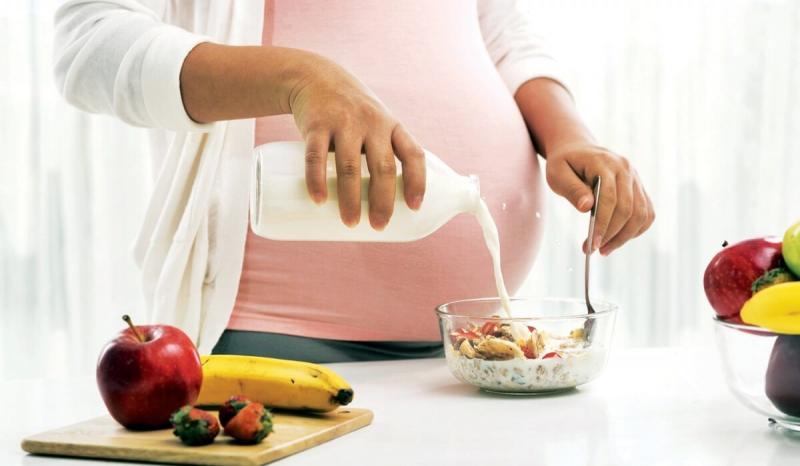
The diet that pregnant women follow is crucial as it provides all the necessary nutrients needed by the body during pregnancy without overindulgence or deficiency. During this period, women's needs for vitamins, minerals, proteins, and energy increase to support the growth and organ formation of the fetus while maintaining the mother’s health.
Pregnancy doesn't mean consuming large quantities of food. Rather, it means focusing on the quality and variety of food. Therefore, global health organizations recommend a balanced diet rich in essential nutrients while avoiding foods that could be harmful to the mother or fetus.
The Importance of Proper Nutrition During Pregnancy
Nutrition plays a pivotal role at all stages of pregnancy, aiding in the formation of the fetus’s organs, brain, nervous system, and bones correctly.
Moreover, healthy nutrition helps reduce the risk of anemia, gestational diabetes, and high blood pressure during pregnancy. It also assists mothers in maintaining energy levels and reducing fatigue.
Essential Food Groups in a Pregnancy Diet
Lean Proteins
Proteins are essential during pregnancy as they contribute to building the fetus’s cells and tissues. Healthy sources include well-cooked chicken, whole eggs, legumes like lentils and chickpeas, lean red meats, and low-mercury fish. Proteins also promote fullness and help maintain the mother’s muscle mass.
Complex Carbohydrates
Carbohydrates provide necessary energy during pregnancy, especially with increased daily energy needs. Best sources include oatmeal, quinoa, whole wheat bread, brown rice, sweet potatoes, and fiber-rich whole grains.
These foods help improve digestion and reduce constipation, a common issue during pregnancy.
Pasteurized Milk and Dairy
Calcium is critical for the fetus’s bone and dental development. Thus, consuming milk, yogurt, labneh, and pasteurized cheeses regularly is advisable. Dairy products also provide essential protein and Vitamin D for bone health.
Fruits and Vegetables
Fruits and vegetables should be a staple in daily meals for pregnant women. They are rich in vitamins, minerals, antioxidants, and fibers that support digestive health and boost immunity. Top choices include spinach, broccoli, carrots, colorful peppers, oranges, apples, berries, bananas, and avocados.
Healthy Fats
Healthy fats play a vital role in the development of the fetal brain and nervous system. Recommended sources include virgin olive oil, avocados, raw nuts, seeds, and low-mercury fatty fish.
Conversely, it's preferable to limit saturated and trans fats found in processed foods and fast foods.
Key Vitamins and Minerals for Pregnant Women
The need for specific micronutrients increases significantly during pregnancy. Therefore, it is essential to obtain them from food or supplements prescribed by a physician.
Folic Acid
Folic acid is crucial at the beginning of pregnancy to prevent neural tube defects in the fetus. Foods high in folic acid include spinach, broccoli, leafy greens, lentils, and various legumes.
Iron
Pregnant women require more iron due to increased blood volume. Good sources include red meats, well-cooked liver, legumes, and dark leafy vegetables. It’s advised to consume Vitamin C-rich foods alongside iron-rich ones to enhance absorption.
Calcium
Calcium helps build fetal bones and teeth and maintains maternal bone health. Sources include milk, yogurt, pasteurized cheese, sardines, and some leafy greens.
Choline
Choline is vital for fetal brain and nervous system development. Eggs are among the richest natural sources of this essential nutrient.
Vitamin D
Vitamin D aids in better calcium absorption and supports fetal skeletal growth. It can be obtained from moderate sun exposure, fortified foods, and supplements if necessary.
A Sample Healthy Daily Meal Plan for Pregnant Women
A balanced diet can include:
Breakfast
Oatmeal with milk topped with fresh fruits and a handful of nuts, or boiled eggs with whole wheat bread and vegetables.
Morning Snack
A piece of fruit with a cup of pasteurized yogurt.
Lunch
Grilled chicken breast or low-mercury fish with brown rice and a mixed green salad.
Afternoon Snack
A handful of almonds or walnuts with seasonal fruit.
Dinner
Lentil soup or a rich vegetable salad with a healthy protein source like pasteurized cheese or well-cooked eggs.
Banned Foods During Pregnancy
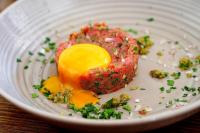
Raw Meat, Fish, and Eggs
Avoid sushi, raw fish, undercooked meats, and raw or lightly cooked eggs due to the risk of bacteria and parasites.
Unpasteurized Dairy
Unpasteurized dairy products may contain harmful bacteria that can affect the health of the mother and fetus.
High-Mercury Fish
Avoid types with high mercury levels like shark, swordfish, and certain large mackerels.
Excessive Caffeine
Limit caffeine intake to the recommended daily amounts during pregnancy.
Dietary Tips to Manage Pregnancy Symptoms
Many women experience unpleasant symptoms during pregnancy, and some dietary adjustments can help alleviate them.
To Reduce Morning Sickness
Eat small, frequent meals throughout the day and keep dry foods like toast or plain biscuits bedside.
To Ease Heartburn
Avoid fatty, fried, and spicy foods, and do not lie down immediately after eating.
To Prevent Constipation
Increase intake of fiber-rich vegetables, fruits, and whole grains while drinking sufficient water.
To Prevent Dehydration
Drink between 8 and 12 cups of water daily or follow your healthcare provider's directions.
In conclusion, the best diet for a pregnant woman is one of variety and balance, providing essential nutrients needed by both the mother and the fetus. By adhering to a balanced diet, avoiding forbidden foods, and maintaining regular check-ups with a doctor, pregnant women can give themselves and their child the best start for a healthy life.
See also
Quick Diet Without Deprivation