


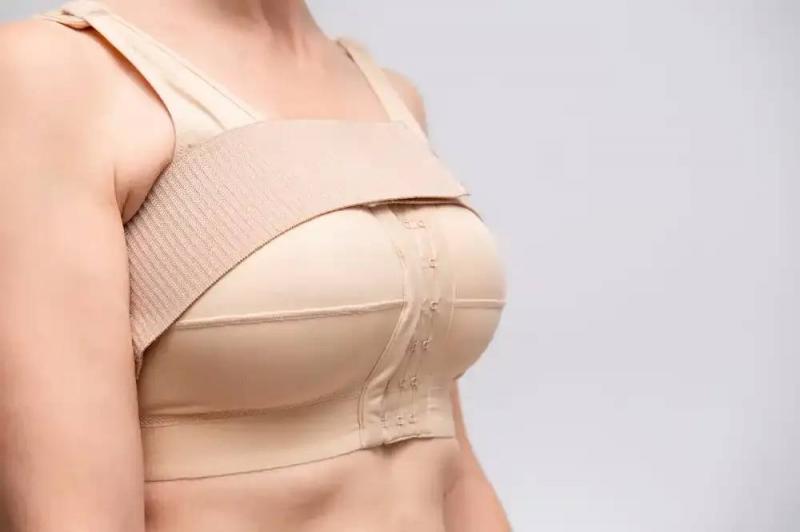
Breast lifting and augmentation are top concerns for women considering breast cosmetic surgery. Many believe that losing fullness means needing silicone implants, but often the true cause lies in skin sagging and tissue drooping, rather than size deficiency.
Plastic surgeons consider anatomical criteria to recommend the right procedure, focusing on nipple position, skin sagging, and tissue quality. Simply enlarging the breasts without addressing sagging can lead to uneven outcomes, so accurate diagnosis is critical before choosing a surgery type.
What's the Difference Between Breast Lift and Augmentation?
Understanding each surgery's purpose is crucial. A breast lift (Mastopexy) aims to elevate the breasts by removing excess skin and repositioning the nipple for a firmer, youthful look.
In contrast, breast augmentation seeks to increase size using either silicone implants or fat transfer, without directly addressing sagging. In some cases, surgeons may combine both procedures for increased volume and lift.
Why Augmentation Alone Is Insufficient for Sagging Breasts
Saggy skin and low-placed nipples can worsen with implants alone due to increased weight emphasizing the sag over time.
Moreover, implants can't lift nipples or remove excess skin, potentially resulting in unnatural appearances despite added volume, which is why experts often suggest a breast lift when sagging is a core issue.
Signs Indicating a Need for a Breast Lift Over Enlargement
1. Nipple Located Below the Inframammary Fold
The nipple's position is a primary criterion surgeons use for recommending a breast lift. When nipples fall beneath the natural crease under the breast, it often suggests significant sagging needing correction. Downward-facing nipples further indicate drooping tissues.
2. Downward-Pointing Nipples
Normally, nipples point forward, nearly horizontally. If they point downward, it signals moderate to severe sagging, making a breast lift more suitable than augmentation alone. Lifting the nipple can restore natural breast shape.
3. Enlarged Areola
Post-pregnancy, breastfeeding, or weight loss may expand the brown areola around the nipple. Often, a breast lift includes areola reduction to match the new breast size, achieving a balanced look.
4. Pencil Test at Home
The pencil test is a well-known home method suggesting sagging.
How to Conduct the Test
- Place a pencil horizontally under the breast.
- Let the breast take its natural position.
- Observe if the pencil falls or stays.
- If it remains, it may indicate sagging, although this isn't a definitive diagnostic tool. A certified surgeon can provide a comprehensive clinical assessment.
5. Excess Sagging Skin
Obvious signs include excess skin, particularly at the breast's lower half, often post pregnancy, breastfeeding, dramatic weight loss, or aging.
Silicone implants can't address extra skin, whereas a lift aims to reshape by removing it.
6. Upper Breast Volume Loss
Many notice upper breast flattening with mass concentrating below, indicating sagging as gravity affects tissues over time. A lift helps redistribute tissue for a fuller upper appearance.
7. Improved Appearance When Lifting Breast by Hand
Surgeons also observe breast shape when manually lifted. If lifting improves symmetry and proportion, sagging rather than size is likely the issue, making a lift usually the better option over augmentation alone.
Common Causes of Breast Sagging
Many factors contribute to breast sagging, such as:
- Pregnancy and breastfeeding.
- Rapid weight loss.
- Aging.
- Skin elasticity loss.
- Genetic factors.
- Fluctuating weight cycles.
Additionally, sagging varies based on skin quality, breast size, and lifestyle.
When to Combine Lift and Augmentation
When sagging and obvious volume loss coexist, a surgeon might suggest combining a lift with augmentation.
This Approach Aims to:
- Elevate the nipple.
- Remove extra skin.
- Increase breast size.
- Enhance body contour symmetry.
- Restore upper fullness.
The final decision relies on clinical evaluation, patient goals, and surgeon advice.
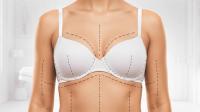
Determining the Right Procedure
A plastic surgeon assesses factors such as:
- Nipple location.
- Sagging degree.
- Excess skin amount.
- Current breast size.
- Skin quality and elasticity.
- Patient's surgical expectations.
Thus, home tests and photos alone can't decide; a qualified surgeon's clinical exam is essential.
Pre-Surgery Guidance
Before any breast cosmetic surgery, it's advised to:
- Consult a certified, experienced plastic surgeon.
- Discuss realistic expectations.
- Disclose any medical conditions or medications.
- Quit smoking if recommended.
- Postpone surgery if impending pregnancy or breastfeeding is planned, as applicable.
In conclusion, losing breast fullness doesn't automatically signify augmentation needs as sagging often underlies the problem, emphasizing the importance of consulting an accredited surgeon for a comprehensive evaluation. A properly identified procedure will achieve the best aesthetic and functional outcome, whether it's a lift, augmentation, or both.
See Also