


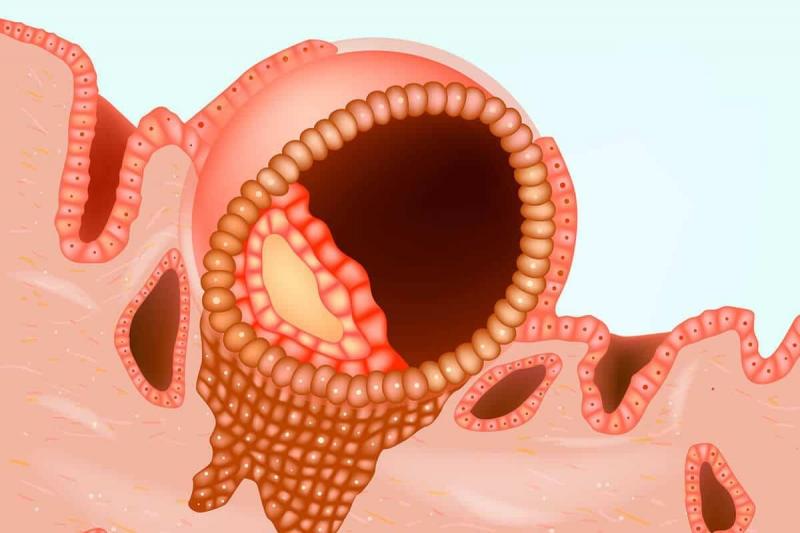
Many women eagerly await signs confirming pregnancy after ovulation, especially when planning to conceive or monitoring fertile days. Pregnancy begins once the egg is fertilized by sperm, moves to the uterus, and implants in the uterine lining, with accompanying hormonal changes causing early symptoms.
Implantation signs usually appear between 6 and 12 days post-ovulation and vary by individual. Some women notice clear changes, while others observe none initially. A pregnancy test remains the most accurate confirmation method.
When Does Egg Implantation Occur After Fertilization?
Once fertilized, the egg divides as it travels through the fallopian tube to the uterus, where implantation begins—triggering the production of hCG hormone, indicating early pregnancy signs.
Typically, implantation occurs about 6 to 12 days after ovulation, with slight variation based on body and cycle differences.
Key Signs of Successful Egg Fertilization and Implantation
- Implantation Bleeding
Some women experience light bleeding as the fertilized egg attaches to the uterine wall. This bleeding is usually:
- Very light spotting.
- Pink or brown in color.
- Not as heavy as menstrual flow.
- Lasting a few hours to a maximum of three days.
Note that absence of implantation bleeding doesn't mean no pregnancy, as many women don't experience it.
- Lower Abdominal Cramps
Some women feel mild cramping akin to menstrual pain due to uterine changes during implantation. These cramps are:
- Less intense than menstrual cramps.
- Short-lived.
- Intermittent, not continuous.
Severe pain or heavy bleeding warrants a doctor's consultation.
- Breast Changes
Hormonal shifts can cause breast symptoms like:
- Heaviness or fullness.
- Mild tenderness.
- Increased nipple sensitivity.
- Tingling or swelling.
These symptoms may mimic premenstrual changes.
- Increased Vaginal Discharge
Post-conception, some women note an increase in discharge due to higher progesterone levels. Normal discharge is typically:
- White or clear.
- Thicker than usual.
- Odorless and itch-free.
Discolored or itchy discharge may indicate an infection requiring medical evaluation.
- Rise in Basal Body Temperature
Some women observe sustained elevated basal body temperature post-ovulation due to progesterone. Temperature tracking can monitor ovulation but is not a standalone pregnancy indicator.
- Fatigue and Exhaustion
Sudden fatigue is a common early pregnancy sign, often caused by hormonal changes and rising progesterone, leading to:
- Excessive drowsiness.
- Reduced energy.
- Needing more rest than usual.
When to Take a Pregnancy Test?
For accurate results, take a pregnancy test:
- After a missed period.
- Or approximately 10 to 14 days post-ovulation.
A blood test is more sensitive, detecting pregnancy earlier than a home urine test.
Does Absence of Implantation Signs Mean No Pregnancy?
No, a lack of symptoms doesn't necessarily indicate fertilization failure. Each body responds differently, and pregnancy can occur without clear early signs. A timely pregnancy test is the best confirmation.
When to See a Doctor?
Consult a doctor if experiencing:
- Severe lower abdominal pain.
- Heavy or continuous bleeding.
- Intense dizziness or fainting.
- Pain on one side of the abdomen with a delayed period.
Successful egg fertilization and implantation signs such as light bleeding, mild cramps, breast changes, increased discharge, and fatigue may appear for some in early pregnancy. However, they're not definitive confirmation of pregnancy. A properly timed pregnancy test provides the most accurate result.
Related Articles