


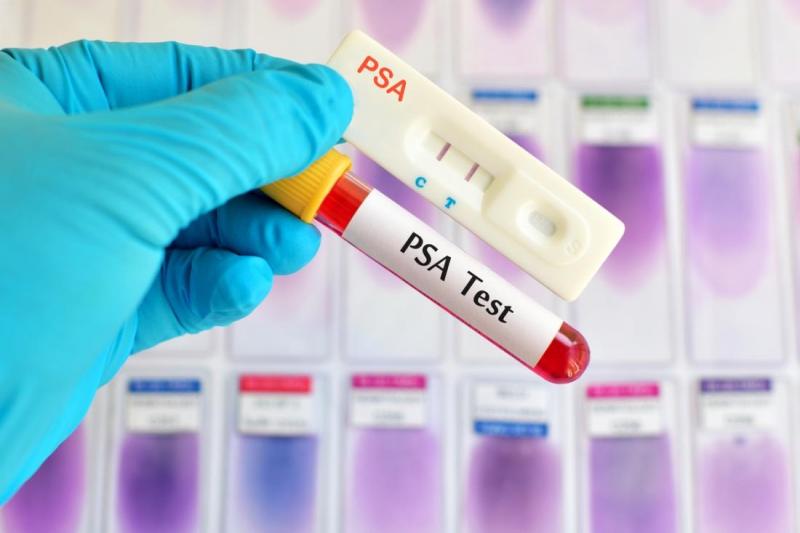
The cost of a PSA test in Lebanon is a common inquiry, especially for men over 50 or those experiencing symptoms related to prostate health. The Prostate-Specific Antigen (PSA) test measures the level of a specific antigen in the blood and is crucial for evaluating prostate health and early detection of potential issues.
In Lebanon, PSA test costs vary across laboratories and hospitals, depending on the test type and accompanying services. This guide provides average PSA test costs and factors affecting the pricing, differences between test types, and essential pre-test medical instructions.
Current PSA Test Costs in Lebanon
The price of a PSA test in Lebanon currently ranges from $15 to $35 USD, approximately 1,350,000 to 3,150,000 Lebanese Pounds, depending on the exchange rate at the time of testing.
Final costs depend on the specific test requested, whether the doctor ordered only the total PSA test or both tests in a package.
Factors Influencing PSA Test Costs
PSA Test Types
The test is typically divided into two main types:
Total PSA: This is the most common and cost-effective test.
Free PSA: Used in certain cases for more accurate assessment when total PSA results are high.
Doctors might request both tests together, known as the PSA Ratio, which usually brings costs closer to the higher end, between $30 to $35.
Type of Laboratory or Medical Center
Some clinics and healthcare centers offer subsidized prices lower than private labs or university hospitals, but prices increase in centers using advanced equipment or providing rapid results.
Awareness Campaigns
In November, globally recognized for prostate cancer awareness, many labs offer special campaigns with discounts up to 50% on PSA tests as part of early detection programs.
Health Insurance and Social Security
Private insurance companies and the National Social Security Fund (NSSF) reduce the patient's costs, depending on coverage levels and insurance policies.
Understanding the PSA Test
The PSA test is a blood test that measures the protein level produced by prostate cells. Though high PSA levels can indicate prostate cancer, it doesn't necessarily mean cancer is present, as levels may also rise due to benign enlargement, infections, or temporary factors.
Therefore, doctors rely on clinical examinations, medical history, and possibly additional tests for a final diagnosis.
When is a PSA Test Recommended?
Doctors may recommend this test in several circumstances, such as:
-Difficulty urinating.
-Weak urine stream.
-Frequent nighttime urination.
-Feeling of incomplete bladder emptying.
-Blood in urine or semen.
-Monitoring enlarged prostate.
-Tracking response to prostate cancer treatment.
-Regular check-ups for high-risk individuals.
Is Fasting Required for PSA Tests?
No fasting is needed for a PSA test, and it can be conducted at any time of the day. However, doctors recommend following certain instructions to ensure accurate results.
Important Pre-Test Instructions for PSA
For accurate results, adhere to these guidelines:
-Avoid sexual activity 48 hours before the test.
-Refrain from cycling or using stationary bikes for 48 hours.
-Inform your doctor of any medications being taken.
-Postpone the test if there's an acute urinary tract infection until after treatment.
-Inform your doctor if you recently had a catheterization or cystoscopy.
Differences Between Total PSA and Free PSA
The choice of test depends on the patient's health condition.
Total PSA
This is used as an initial test to detect elevated prostate antigen levels and is the most common test.
Free PSA
This is used when total PSA is high to help distinguish between benign and malignant causes, providing additional information for further testing decisions.
Does High PSA Mean Prostate Cancer?
No, high PSA doesn't automatically indicate cancer.
Reasons for increased PSA levels include:
-Benign prostate enlargement.
-Prostatitis.
-Urinary tract infections.
-Aging.
-Ejaculation before the test.
-Cycling.
-Certain prostate procedures.
The results should be interpreted by a doctor, who will consider other symptoms and clinical findings.
How to Choose the Right Laboratory?
When selecting a lab, consider several factors, including:
-Lab accreditation.
-Accuracy of equipment.
-Speed of result delivery.
-Technical expertise.
-Availability of insurance services.
-Quality of medical reports.
-Adherence to quality standards.
Tips to Lower PSA Test Costs
If you're looking to conduct the PSA test economically, consider the following tips:
-Compare prices across labs.
-Take advantage of November campaigns.
-Utilize health insurance.
-Choose labs accredited by social security.
-Benefit from lab packages for additional tests.
In conclusion, the cost of a PSA test in Lebanon remains significant for men concerned about prostate health. Prices typically range from $15 to $35 based on test type, lab, and insurance coverage.
This test is vital for early detection and monitoring prostate diseases. Yet, results should always be interpreted by a doctor, considering symptoms, clinical exams, and other health factors.
Also See: How to Know If You Have a Urinary Infection?