


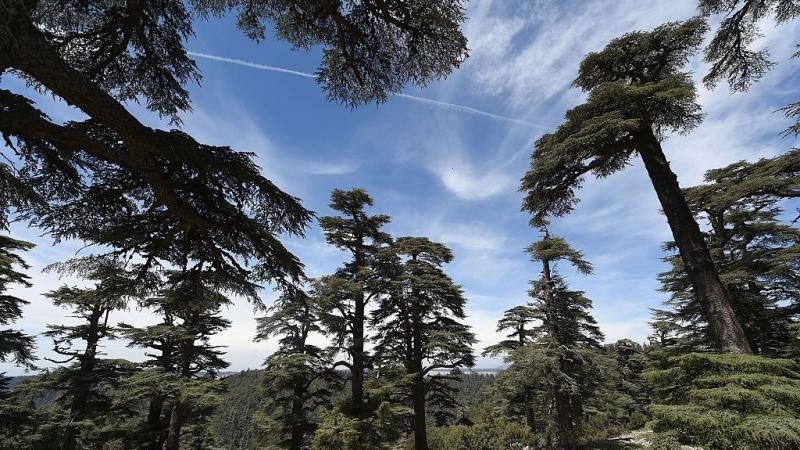
Lebanon is known for its rich natural diversity, especially remarkable given its small size. Its forests are a key component of this diversity, particularly the cedar forests that have been intertwined with the nation's history and identity for thousands of years.
These forests are scattered across various mountainous regions and comprise not only cedars but also a variety of other trees, plants, and wildlife.
Lebanon's forests offer perfect destinations for nature lovers, hikers, and photographers. Some areas feature hiking trails, archaeological sites, and stunning mountain vistas. Here are five forests worth visiting to discover the natural beauty of Lebanon.
Prominent Forests of Lebanon:
1. Shouf Cedar Nature Reserve
The Shouf Cedar Nature Reserve stands out as one of Lebanon's premier natural destinations. It is the largest nature reserve in the country, comprising three main cedar forests: Maasser Al-Shouf, Barouk, and Ain Zhalta-Bmahray.
Located on the western slopes of Lebanon's mountain range, the reserve extends from Dahr El Baydar in the north to Niha Mountain in the south. It contains about 25% of Lebanon's remaining cedar forests, offering expansive areas for hiking and wildlife exploration.
The appeal of the reserve goes beyond its trees, as visitors can enjoy mountain views, bird watching, and discovering the area's natural and cultural spots.
2. Horsh Ehden Nature Reserve
Horsh Ehden Nature Reserve is among the richest forests in Lebanon in terms of biodiversity. It is located on the northwest slopes of Mount Lebanon, at elevations ranging from 1,200 to 2,000 meters.
The reserve hosts over 1,058 plant species, several mammal species, and over 300 types of fungi. Cedars play a vital role, alongside maple, pine, wild plum, and wild pear trees.
The forest offers a varied experience due to its diverse vegetation, trees, and trails, making it an excellent choice for hiking and photography enthusiasts.
3. Tannourine Cedars Forest Nature Reserve
The Tannourine Cedars Forest Nature Reserve is one of the densest cedar forests in Lebanon, spanning around 12 square kilometers.
It contains over 70,000 ancient cedar trees, along with a variety of other trees and plants. Its mountainous terrain features steep rocky slopes and deep valleys where cedars grow notably.
The reserve offers hiking and trekking paths, as well as opportunities to explore caves and rock formations, appealing to both adventure and nature enthusiasts.
4. Jaj Cedar Forest
The Jaj Cedar Forest lies in the Jbeil district and is closely linked to the history of cedar trees in Lebanon. It is characterized by groups of cedar trees nestled in serene mountainous nature.
The forest provides a suitable option for those wishing to explore the Jbeil area's nature away from the coast. It can be combined with exploring nearby villages and natural landmarks.
Jaj is part of Lebanon's notable cedar forests, alongside Tannourine, Ehden, Shouf, and Bsharri.
5. The Cedar Forest of God in Bsharri
The Cedar Forest of God in Bsharri is among the most famous cedar forests in Lebanon. It is connected to the UNESCO World Heritage-listed Qadisha Valley and features ancient cedar trees, representing one of the most significant remnants of Lebanon's historical cedar forests.
A visit to this area offers a chance to blend nature and history, especially with the presence of Qadisha Valley and surrounding monasteries and heritage sites. It is a well-known destination for hiking enthusiasts and mountain scenery lovers.
The cedar forests of Bsharri, Ehden, Tannourine, the Shouf, and Jaj are crucial components of Lebanon's natural heritage amid conservation efforts.
Best Time to Visit Lebanon's Forests
The best time varies depending on the forest and activities you want to undertake. Spring is ideal for nature lovers due to mild weather and lush greenery, while summer offers good conditions for hiking in elevated areas.
Autumn provides different perspectives with changing tree colors, while snow can cover some high areas in winter.
It is advisable to check the weather and trail conditions before going, especially for long hiking trips.
Tips for Visiting Lebanese Forests
Wear suitable hiking footwear and bring enough water, particularly on mountain trails. Follow reserve instructions, and avoid lighting fires in non-designated areas.
Also, do not leave trash or damage plants and trees, as most of these forests are protected natural areas that need preservation.
See also: