


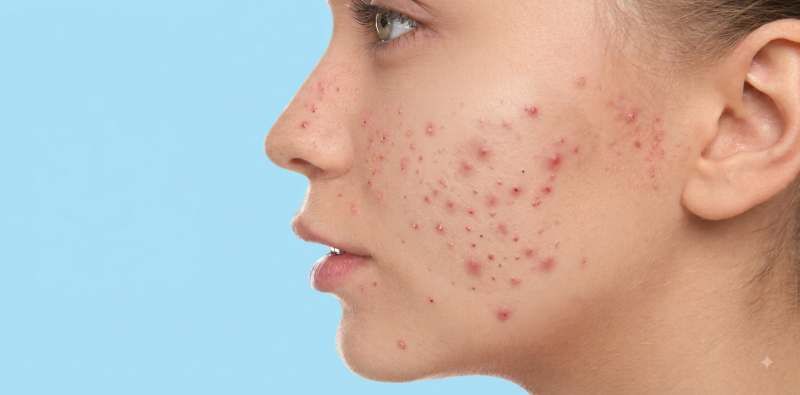
Acne remains a prevalent concern for many women, especially when acne persists beyond teenage years or appears during late adulthood. Acne develops when pores become clogged with oil and dead skin cells, allowing bacteria to multiply, leading to blackheads, whiteheads, or inflamed pimples.
While clogged pores are a primary cause, acne is also influenced by hormonal, genetic, and environmental factors impacting the sebaceous glands and skin health.
Hormonal Causes of Acne in Women
Hormonal changes are a common trigger for acne in women at various life stages.
Menstrual Cycle
Many women experience breakouts days before their period due to natural fluctuations in progesterone and estrogen levels, coupled with increased androgen effects, stimulating sebaceous glands to produce more oil. Breakouts typically appear on the chin and lower jaw and improve after menstruation.
Polycystic Ovary Syndrome (PCOS)
PCOS is a well-known hormonal cause of chronic acne in women, with elevated male hormone levels increasing oil production and causing persistent acne that is challenging to treat with conventional products. Additional symptoms may include irregular periods, facial and body hair growth, and scalp hair loss.
Pregnancy
During pregnancy, hormonal levels undergo significant changes, which can increase sebaceous gland activity and cause acne, especially in the early months. However, some women may see skin improvements during pregnancy, indicating variable responses.
Breastfeeding
Post-pregnancy, the body continues to adjust hormonally, and some women may notice acne flare-ups during breastfeeding due to hormonal fluctuations.
Discontinuation of Birth Control Pills
Certain birth control pills can reduce acne, so stopping them might lead to a "hormonal rebound," activating sebaceous glands and temporarily causing acne.
Menopause
Acne doesn't only affect teenagers; it can appear after age 40 or 50 due to decreased estrogen levels relative to androgens, causing increased oil secretion and acne in the jaw and chin area.
Daily and Environmental Causes
Beyond hormones, daily habits play a crucial role in acne development or worsening.
Stress and Psychological Pressure
Stress elevates cortisol levels, stimulating sebaceous glands to secrete more oil, increasing breakout risks. Additionally, insufficient sleep and ongoing stress may impair skin’s ability to regenerate and repair.
Using Inappropriate Products
Certain makeup, creams, or sunscreens containing heavy oils or comedogenic ingredients can clog pores.
Thus, prefer products labeled as:
- Oil-Free.
- Non-Comedogenic.
- Diet
Some studies suggest excess sugar, refined carbs, and sugary drinks may elevate inflammation and promote acne in some individuals. Similarly, some women notice more breakouts with high dairy intake, though responses vary.
Genetic Factors
If a parent or sibling has acne, your likelihood increases, as genetics affect skin type and sebaceous glands’ hormonal response.
Other Potential Acne Triggers
Added causes may include:
- Lack of sleep.
- Smoking.
- Environmental pollution.
- Constant face-touching.
- Not cleaning mobile phones.
- Not removing makeup before bed.
- Certain medications like cortisone.
Moreover, prolonged mask-wearing or consistent skin friction may lead to what’s known as mechanical acne.
How to Prevent Acne?
Reduce acne risk by maintaining a healthy skincare routine.
Choosing Suitable Products
Use products suited to your skin type, free of oils, and non-comedogenic.
Moderate Skin Cleansing
Washing your face twice daily with a gentle cleanser suffices, as excessive washing may dry out skin and stimulate more oil production.
Removing Makeup Before Bed
Daily facial cleaning prevents oil and dead skin cell buildup in pores.
Following a Balanced Diet
Consuming more fruits and vegetables, drinking plenty of water, and reducing sugar intake can benefit many people's skin health.
Avoiding Face Touching
Frequent face-touching transfers bacteria and dirt, potentially leading to inflammation and breakout escalation.
When to Consult a Dermatologist?
Consult a dermatologist if acne is severe, leaves scars, or persists after weeks of topical treatments. Also, seek medical advice if suspecting hormonal disorders like PCOS or noticing accompanying symptoms such as menstrual irregularities or excess hair growth.
In conclusion, acne in women results from hormonal fluctuations, genetic factors, and daily habits, with no single cause applicable to all. Understanding the underlying reason aids in appropriate treatments and preventive measures.
By adhering to a balanced care routine, adopting a healthy lifestyle, and consulting dermatologists when necessary, acne can be managed effectively, promoting healthier, clearer skin.
See Also
Causes of Reduced Libido in Women