


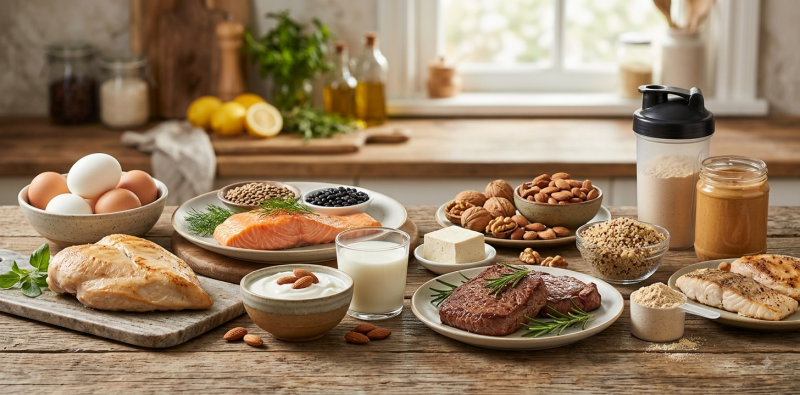
Protein is an essential nutrient required by the body every day. It plays a critical role in building muscles and tissues and contributes to numerous vital functions. Therefore, protein-rich foods receive special attention from athletes and individuals seeking to enhance their diet quality or increase satiety between meals.
Protein sources are not limited to meat and poultry. There are diverse options combining nutritional value and ease of preparation, including fish, eggs, dairy, legumes, nuts, and seeds. Diversifying protein sources helps achieve a broader range of nutrients instead of relying on a single food type.
Why Does the Body Need Protein?
Protein is a fundamental component in forming muscles, skin, and tissues. It also partakes in producing enzymes, hormones, and many essential compounds for the body's function. Those who engage in physical exercise focus on it as proper nutrition, alongside training, supports muscle building and recovery.
Additionally, protein-rich foods can be an essential part of meals that offer prolonged satiety. However, daily protein needs vary per individual based on age, activity level, health status, and dietary goals. Hence, there isn't a one-size-fits-all amount.
Best Protein-Rich Foods
1. Chicken Breasts
Chicken breasts are a popular choice among athletes and those seeking a high-protein source with relatively low fat, especially when skinless and cooked healthily.
Cooked 100 grams of chicken breast contains about 30 grams of protein, with actual content varying based on cooking method and part used. They can be incorporated into salads, sandwiches, or paired with vegetables and whole grains for a balanced meal.
2. Fish and Seafood
Fish offer a combination of protein and essential nutrients, with varying protein and fat contents across types. Salmon is a notable example, providing protein and Omega-3 fatty acids, while others like tuna offer higher protein content with less fat in some forms.
Diversifying fish types in your diet is advised, opting for cooking methods like grilling or baking over frequent frying. Additionally, adhering to local guidelines concerning fish choices is crucial for sensitive groups like pregnant women and children.
3. Eggs
Eggs are a practical protein source, with a large egg containing about 6 grams of protein, plus vitamins and minerals.
The yolk contains a significant portion of an egg’s nutrients, making whole eggs a suitable option in a balanced diet for most people. They can be prepared in various ways, fitting breakfast, snacks, or dinner.
4. Lean Red Meat
Beef and veal offer substantial protein and can be important sources of iron, zinc, and vitamin B12. The nutritional value depends on the meat cut, fat content, and cooking method.
Choosing leaner cuts is favorable when selecting red meats, while paying attention to portion size and cooking style. Furthermore, alternating between meats, fish, poultry, and legumes ensures a more balanced diet.
5. Greek Yogurt
Greek yogurt stands out for its higher protein concentration than many traditional yogurts. The amount varies by brand, fat content, and manufacturing method. When paired with fruits, oats, or nuts, it becomes a breakfast or snack combining protein, fiber, and other nutrients.
When shopping for yogurt, reading the nutritional label helps select types fitting dietary needs, particularly regarding added sugars.
6. Cottage Cheese
Cottage cheese is another protein-rich option, containing casein, a protein that digests slowly, making it a preferred evening snack or part of meals with vegetables and grains.
Protein content varies by product; thus, reviewing the nutritional label aids in understanding exact serving value. It can also be combined with fruits for a snack merging protein and carbohydrates.
Plant-Based Protein Sources
Obtaining protein doesn’t solely rely on animal products. Legumes, grains, nuts, and seeds offer varying protein amounts, along with fiber and numerous nutrients.
7. Lentils
Lentils are a top plant-protein source, also rich in fiber contributing to fullness. A cooked cup of lentils contains about 18 grams of protein.
Incorporating them into the diet is effortless through soups, salads, or rice and grain dishes. They're a cost-effective choice compared to many animal protein sources, suitable for families seeking nutritious, affordable meals.
8. Chickpeas and Black Beans
Legumes like chickpeas and black beans provide good protein and fiber amounts. Each type offers significant protein content per cooked cup, with nutritional variations across kinds.
Additionally, combining legumes with grains, such as rice or whole-grain bread, enriches meal diversity in protein and amino acids.
9. Quinoa
Quinoa is distinct from many grains as it supplies all nine essential amino acids, making it a beneficial plant-based choice when diversifying protein sources.
A cooked cup of quinoa holds about 8 grams of protein. It can substitute rice or be added to salads and vegetables, enhancing meal variety nutritionally.
10. Nuts and Seeds
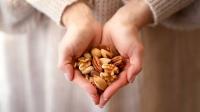
This category includes almonds, peanuts, chia seeds, hemp seeds, among others, offering protein, unsaturated fats, fibers, and some minerals.
However, nuts and seeds are relatively high in calories, making portion control vital with regular consumption. They can be added to yogurt, oats, or salads, or eaten as a small snack.
How to Choose the Right Protein Source?
The best choice doesn't rely on protein quantity alone. Considering complete nutritional aspects like saturated fats, sodium, fiber, vitamins, minerals, and food preparation method is beneficial.
For instance, grilled chicken breasts nutritionally differ from fried ones, just as home-cooked legumes vary from manufactured products often containing higher sodium levels. Thus, preparation method significantly influences meal quality.
How to Distribute Protein Throughout the Day?
Instead of on one protein-heavy meal, distribute sources across daily meals – eggs or Greek yogurt for breakfast, chicken or fish with vegetables and grains for lunch, and lentils or chickpeas as a vegetarian option.
In the evening, cottage cheese or a nut-based snack fits, according to daily needs. Variety trumps fixed lists since each source offers different nutrients.
Is Plant-Based Protein Sufficient?
A varied vegetarian diet can provide necessary body protein, relying on legumes, grains, nuts, seeds, soy products, and other plant choices.
Not every plant dish must individually contain all essential amino acids. The focus should be on diversifying protein sources daily to achieve an appropriate range of amino acids and nutrients.
Tips for Benefiting from Protein-Rich Foods
Creating a protein-rich dietary plan should not prioritize protein alone but complete meal quality. Include vegetables, fruits, whole grains, and healthy fats alongside protein sources.
Simpler cooking methods, such as grilling, baking, boiling, and steaming, are recommended, reducing highly processed foods’ reliance. If aiming for specific goals, like increased muscle mass, weight loss, or following a vegetarian diet, consulting a nutritionist might be beneficial for determining proper needs.
In conclusion, numerous options can be integrated into the diet to obtain protein, from chicken, fish, eggs, and lean meats to Greek yogurt, cottage cheese, lentils, chickpeas, quinoa, nuts, and seeds.
The best approach extends beyond choosing and consistently relying on one source, instead diversifying protein sources with focus on food quality, preparation method, and portion size, thus making protein a part of a balanced diet supporting the body's needs without neglecting other nutrients.
See Also