


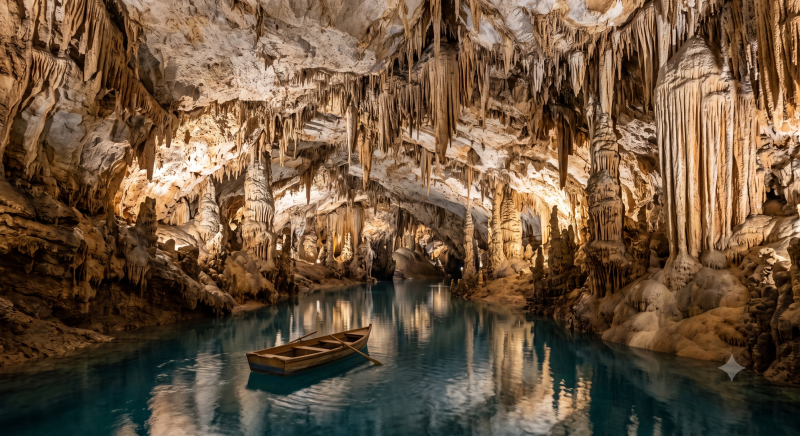
Jeita Grotto is one of the most famous natural landmarks in Lebanon, attracting visitors eager to explore a different world beneath the earth's surface. Spread across a system of limestone caves formed gradually by water, it boasts a collection of stalactites, stalagmites, and diverse calcite formations.
The grotto's significance extends beyond its natural beauty; it features two main sections open for exploration, making it an ideal destination for families, nature lovers, and photography enthusiasts eager to discover Lebanon's unconventional attractions.
Where is Jeita Grotto Located?
Jeita Grotto is situated in the Valley of Nahr al-Kalb in the Keserwan District, a relatively short distance from Beirut, making it a perfect day-trip destination. The surrounding mountainous terrain adds to its allure, and visitors can combine a trip to the grotto with exploration of nearby tourist sites and natural attractions.
What is the Story of Jeita Grotto?
The geological significance of Jeita Grotto stems from the unique nature of its formations. Over extended periods, water seeped through limestone rocks, creating underground halls and passages, along with stalactites, stalagmites, and calcite formations that give the grotto its distinct appearance.
What Does Jeita Grotto Contain?
Jeita Grotto primarily consists of an Upper Grotto and a Lower Grotto, each offering its own unique experience. The Upper Grotto features relatively spacious halls and corridors adorned with various calcite formations formed over time by mineral deposits and water. Visitors can explore designated areas and admire the natural shapes inside the cave.
The Upper Grotto
This section is ideal for photography enthusiasts, but visitors must adhere to site guidelines and avoid touching rock formations, as these natural creations take very long periods to form.
The Lower Grotto
The Lower Grotto offers a different experience, being linked to the waters within the cave system, often involving a boat ride that allows visitors to view the cave from a unique perspective. This boat experience distinguishes Jeita from other caves that only offer walking tours.
Is it Possible to Visit Both Grottoes in One Trip?
Yes, the Jeita Grotto visit is designed so visitors can explore both the Upper and Lower sections in one trip, according to site arrangements and operation times during the visit. Visiting both provides a more complete experience as each section boasts different formations and exploration methods.
How Long Does a Visit to Jeita Grotto Take?
The duration of the visit varies depending on walking pace, crowd levels, and time allocated by the visitor for admiring natural formations. Generally, it's recommended to allocate several hours for the trip, especially if it's your first time visiting and you wish to fully explore the different parts without rushing.
What is the Best Time to Visit Jeita Grotto?
The grotto can be visited throughout most of the year, but timing depends on weather conditions and the nature of your planned visit. The caves have different temperatures from the outside, so it might be helpful to bring an extra layer of clothing, even on warm days. Weekends and peak tourist seasons tend to be busier, so visiting early in the day might be preferable for those seeking a less crowded environment.
What Should You Wear When Visiting Jeita Grotto?
A visit to the grotto does not require special attire, but comfortable clothing and appropriate footwear for walking make the experience easier. It’s advisable to wear sturdy, comfortable shoes and bring a light jacket due to the temperature difference inside the caves.
Is Jeita Grotto Suitable for Children?
Jeita Grotto can be a fun experience for children, particularly those interested in nature, caves, and exploration trips. The varied experiences between the upper and lower caves, along with the boat ride, offer a diverse visit. However, children should be accompanied by an adult throughout the visit, adhering to the site’s safety guidelines.
Is Photography Allowed Inside Jeita Grotto?
Photography rules depend on the section being visited and the site’s management instructions. Regardless, it's essential not to touch calcite formations or approach restricted areas to take photos, as the grotto's primary value lies in preserving its natural state and geological formations that took ages to form.
What Should You Know Before Visiting Jeita Grotto?
Before heading to the grotto, several tips can help make the visit more comfortable:
Check Visiting Hours: Operating hours may vary based on the season or special conditions, so confirming official times before starting your trip is recommended.Allocate Adequate Time: Avoid fitting the visit into a very tight schedule, as exploring the grotto takes time.
Wear Comfortable Shoes: Walking and traversing designated visitor areas is necessary.Bring a Light Jacket: The cave climate differs from the outside temperature.Respect Site Guidelines: Protecting natural formations is a shared responsibility between site management and visitors.Are There Tourist Attractions Near Jeita Grotto?
Visiting Jeita allows for organizing a tour that combines multiple destinations in the Keserwan area and nearby regions. It's possible to plan visits to several close tourist sites according to available time, and return to Beirut the same day. The Valley of Nahr al-Kalb and the surrounding mountains appeal to nature lovers, while those wishing to extend their tourist journey can head to other areas in Keserwan.
Why is Jeita Grotto Worth Visiting?
Jeita Grotto uniquely combines nature, geology, and adventure in one experience. It's not merely a cave to walk through but a natural system with rock formations that took long periods to evolve, alongside a distinct water-related experience in the lower section. Its proximity to Beirut also makes it a viable choice for those seeking a short trip away from the city's hustle without needing to travel long distances.
See also:
Best Photography Spots in Lebanon