


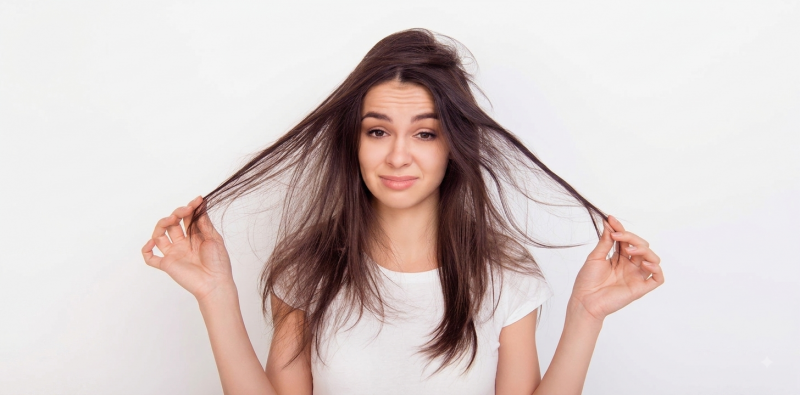
Treating dry and damaged hair involves a combination of regular hydration and minimizing damage causes, rather than relying on a single product. Hair that has been subjected to dye, frequent heat, or harsh styling requires a gentler routine that helps reduce moisture loss and protects its fibers from further breakage.
Applying oils or masks haphazardly is insufficient. Hair needs vary depending on its dryness level, nature, and extent of chemical treatment. Therefore, selecting appropriate products and adjusting styling habits can make a noticeable difference in the hair’s appearance and texture over time.
Intensive Care Routine for Dry and Damaged Hair
Before specifying steps, focus on three essentials: regular hydration, damage reduction, and protecting hair from external factors. Adhering to these steps within a stable routine can enhance hair appearance, reducing dryness, tangles, and breakage.
Hot Oil Treatment
Incorporate certain plant-based oils like coconut, argan, and sweet almond oil in your dry hair care routine. Coconut oil specifically helps reduce protein loss from hair, while other oils impart a smoother and shinier look.
Distribute a suitable amount of oil along hair lengths and tips, leaving it for a while before washing. Avoid excessively hot oil to prevent scalp burns or irritation. Initially, test a small amount, as fine or low-porosity hair may not suit large quantities of oils.

Deep Moisturizing Masks
Deep moisturizing masks are crucial when dealing with dry and damaged hair. They can replace traditional conditioners once or twice a week, depending on hair needs.
Choose a mask with moisturizing and conditioning ingredients like shea butter or amino acids to smooth hair fibers. Apply the mask, typically on mid-lengths and ends, adhering to the specified duration, then rinse thoroughly.
Choosing a Gentle Shampoo
Over-washing or using harsh detergents can exacerbate dryness in some hair types. Opt for a gentle shampoo suitable for your scalp and hair type.
Not all sulfates are harmful, nor are sulfate-free products universally suitable. Severely dry or chemically treated hair may benefit from gentler cleansing formulations. The key is choosing products based on scalp conditions, not merely marketing slogans on packages.
Treatments for Hair Damaged by Dye and Heat
If damage results from frequent dyes or chemical treatments, more than just hydration is needed. Bond Builders, products designed to support bonds within damaged hair fibers, have emerged.
Using Bond-Building Treatments
They can be a suitable choice for chemically treated hair. Popular products in this category include Olaplex No.3 Hair Perfector. Their composition and functionality vary by brand, so follow manufacturer instructions, and don't substitute for trimming severely damaged ends or minimizing damage causes.
If hair is severely damaged, shedding, or breaking unusually, consult a dermatologist to find the cause rather than relying solely on home products.
Daily Habits to Prevent Further Damage
Dry and damaged hair treatment isn’t solely product-dependent. How you handle hair during washing, drying, and styling significantly affects breakage rates. Alter some daily habits while using moisturizing products for the best results.
Reduce Heat Tool Use
Frequent high heat is a major factor in increasing hair damage. Reduce the use of flat irons, curlers, and hot blow dryers whenever possible.
When necessary, apply a suitable heat protectant first and use the lowest effective temperature. Avoid running the same section through the iron multiple times.
Gentle Drying Techniques
Wet hair is more prone to stretching and breaking. Handle it gently post-shower. Rather than vigorously rubbing with a towel, gently press out water using a microfiber towel or soft cotton cloth.
Preferably, detangle gradually using a wide-tooth comb, starting at the ends and moving upward, instead of pulling knots from the roots.
Using Satin or Silk Pillowcases
Satin or silk pillowcases can reduce friction between hair and the pillow during sleep, potentially decreasing tangling and breakage for some, especially those with dry or curly hair.
However, this step is supportive, not standalone. Reducing heat, chemical treatments, and maintaining regular hydration remain crucial for managing damaged hair.
When Does Damaged Hair Need a Trim?
Severely split ends cannot be restored to their original state with masks or oils, as damaged hair doesn't biologically heal like skin. Trimming split ends might be crucial for regaining healthy hair appearance.
A simple, regular trim is preferred over allowing damage to extend higher along the strands, especially if hair is repeatedly exposed to heat or dye.
Mistakes to Avoid in Treating Dry Hair
Excessive care can backfire. Avoid piling on oils, masks, and proteins simultaneously without knowing hair needs. Overly hot water, excessive washing, and pulling during styling can also increase dryness and breakage.
Additionally, refrain from harsh homemade remedies like lemon or irritating mixtures, as the scalp and hair require ingredients designed for safe cosmetic use.
Ultimately, the best approach to treating dry and damaged hair is a balanced routine combining hydration, protection, and damage reduction. Start by using a gentle shampoo and appropriate moisturizing mask, reduce heat, and handle wet hair with care. Bond-Building treatments may benefit hair damaged by dyes and chemical treatments.
No single formula suits all hair types. Curly, dyed, or extremely dry hair may require a different routine than fine, natural hair. For severe damage, pronounced shedding, or sudden density changes, consulting a dermatologist is the most precise step to determine the cause and appropriate treatment.