


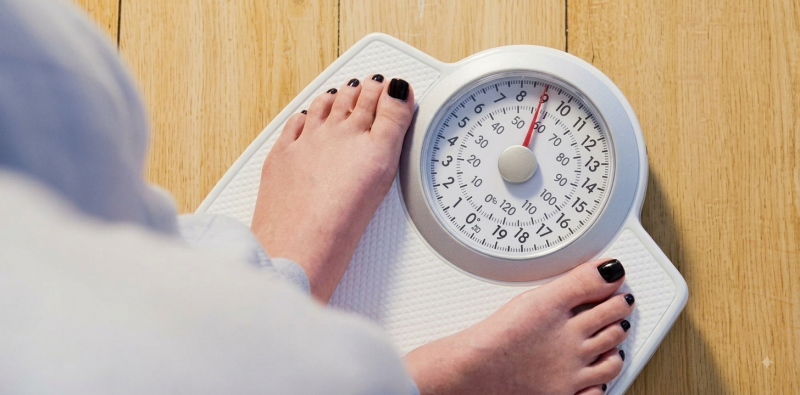
Maintaining a healthy weight after weight loss relies on turning the habits that helped you reach your target weight into a sustainable lifestyle. Rather than returning to your old eating patterns once the diet ends, it's crucial to continue healthy habits, as your body might adjust to weight loss by altering appetite and energy consumption.
This doesn't mean you need to keep following harsh diets or deny yourself the foods you love. It's about finding a balance that you can commit to long-term. Combining physical activity, balanced nutrition, adequate sleep, and regular monitoring helps to detect and address any weight changes early.
Key Methods to Maintain Weight After Loss
Maintaining weight isn't about a single step but about multiple daily habits working together. The more realistic and sustainable these habits are, the longer you'll be able to maintain your results.
1. Continue Exercising
Resistance exercises, such as weight lifting and bodyweight workouts, help maintain muscle mass during the weight stabilization phase, which is crucial for maintaining physical strength and function. Aim to perform resistance exercises two or three times a week, depending on your fitness level and suitable program.
Additionally, keep your daily activity up with walking, climbing stairs, and engaging in various physical activities. Health guidelines generally recommend that adults engage in at least 150 minutes of moderate-intensity aerobic activity weekly, with the option to increase for additional benefits.

2. Make Smart Nutrition a Lifestyle
After losing weight, it doesn't mean going back to all previous eating habits. Stick to a balanced diet comprising various nutrient sources.
Focus on protein and fiber in meals, like eggs, chicken, fish, legumes, vegetables, and whole grains, to help feel full and support muscle mass maintenance. Meanwhile, there's no need to completely ban sweets or favorite foods; they can be included in moderation within the overall diet.
3. Apply the 80/20 Rule Flexibly
The 80/20 concept can make your diet more flexible and sustainable, with the majority of your nutrition coming from wholesome foods while allowing space for foods you enjoy.
This rule is not a strict medical law, nor does it require exact adherence. The primary idea is to avoid a mindset of complete deprivation, as an overly restrictive diet can lead back to previous eating habits.
4. Regularly Drink Water
Maintaining hydration is an essential part of a healthy lifestyle. Drinking water instead of sugary beverages can reduce liquid calorie intake.
Drinking water before meals can help some individuals consume less, but it shouldn't be seen as a magic solution for preventing weight gain. The important factor is to listen to thirst signals and remain hydrated throughout the day.
Self-Monitoring Helps Early Detection of Weight Gain
Slight weight gain post-goal does not necessarily mean your weight loss plan failed. Monitoring your weight trend can help identify changes early before they become significant.
5. Monitor Your Weight Moderately
Weigh yourself once a week under similar circumstances, like in the morning before eating or after using the bathroom, to obtain more comparable readings.
Don't consider a single number as a decisive judgment since weight naturally fluctuates due to fluids, digestive content, menstrual cycle, and other factors. The key is tracking the overall trend over a few weeks.
6. Pay Attention to Portion Sizes
Meal sizes may gradually increase unnoticed, particularly when transitioning from diet mode to weight maintenance. Medium-sized plates and pre-setting portions can help maintain appropriate food quantity.
Eating slowly and being mindful of satiety signals can prevent overeating, rather than eating quickly or in front of screens without attention.
Sleep and Stress Play a Role in Weight Maintenance

7. Get Adequate Sleep
Most adults need 7 or more hours of sleep daily. Lack of sleep can affect appetite, craving high-calorie foods, and exercise ability.
Try to maintain a regular sleep and wake schedule, reduce electronic device use before bed, and create a quiet, comfortable room environment.
8. Learn to Manage Stress
Chronic stress can drive some people to eat for emotional reasons, particularly foods high in sugar and fat. It can also make exercising and sleeping more difficult.
Simple practices like walking, deep breathing, yoga, meditation, and engaging in enjoyable activities can aid stress management. If stress is severe or persistent and affects daily life, consulting a mental health professional may be beneficial.
What to Do If You Start Gaining Weight?
If you notice gradual weight gain, there's no need to return to a strict diet immediately. Review habits that have changed, like meal sizes, snacks, daily activity, or sleep.
Recording food and activity for a short period, gradually increasing movement, and reorganizing meals might be helpful. If the weight gain is significant, rapid, or unexplained, consulting a doctor or nutritionist to assess reasons and create an appropriate plan is best.
In conclusion, understanding how to maintain a healthy weight after losing weight isn't about seeking a new diet but building a lifestyle that can be sustained. Resistance training, daily activity, balanced meals, and portion control remain vital tools for stabilizing results.
Similarly, adequate sleep, managing stress, and moderate weight monitoring play a critical role in preventing a gradual return to old habits. The key is to address any slight increase early and flexibly, rather than resorting to deprivation or extreme dieting.
See Also
Low-Calorie Foods to Add to Your Diet