


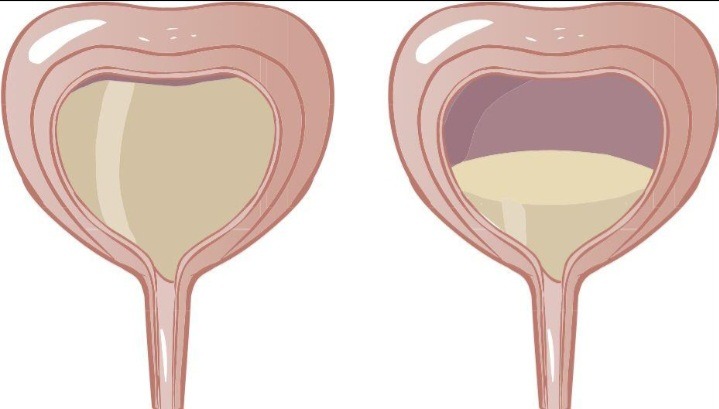
Urinary retention occurs when the bladder cannot fully empty urine. This condition can manifest suddenly, rendering a woman unable to urinate, or develop gradually, leaving residual urine in the bladder after urination. Symptoms vary based on the cause and severity of the condition; women may feel bladder fullness and pain, or notice only weak urine flow and frequent urination in small amounts.
There are various causes of urinary retention in women, such as a blockage in the urinary tract, weak bladder muscles, pelvic floor problems, pelvic organ prolapse, certain medications, and neurological conditions. It can also occur following some surgeries or medical procedures. Persistent difficulty urinating or a sense of incomplete bladder emptying should not be ignored.
What is Urinary Retention in Women?
Urinary retention in women is the inability to completely empty the bladder. It might be acute and occur suddenly or chronic and develop gradually, leading to incomplete bladder emptying. In acute cases, women may feel an urgent need to urinate but can't, often accompanied by pain or lower abdominal swelling, necessitating prompt medical evaluation. Chronic retention might be less noticeable as women may urinate without fully emptying the bladder, complicating problem detection.
Causes of Urinary Retention in Women
1. Urinary Tract Infections
UTIs can impact bladder and urethral function, causing symptoms like burning sensations and frequent, painful urination, which may contribute to retention. Severe or recurrent symptoms may require urine analysis and other tests to pinpoint the cause, as urinary symptoms are not always due to infection.
2. Bladder and Pelvic Organ Prolapse
Bladder prolapse, or cystocele, occurs when supportive tissues and muscles weaken, changing bladder positioning and affecting urine release, often linked to pregnancy, childbirth, aging, or other factors affecting pelvic supporting tissues.
3. Bladder Muscle Weakness
Normal urination requires bladder muscle contraction and relaxation of surrounding muscles. Insufficient bladder muscle contraction may result in incomplete urine expulsion.
4. Pelvic Floor Muscle Issues
Tense pelvic floor muscles or those that fail to relax optimally during urination complicate urine flow. Specialized evaluations and pelvic floor therapy can diagnose and manage issues, but should follow comprehensive medical evaluation.
5. Urethral Stricture or Obstruction
Retention may result from a stricture or obstruction blocking normal urine passage, requiring imaging or cystoscopy to determine blockage location and cause.
6. Severe Constipation
Severe constipation can impact bladder and urinary tract functionality, increasing pressure on the bladder area, necessitating attention when concurrent with urination difficulty.
7. Certain Medications
Some medications can affect urination or bladder emptying. It's crucial to discuss all medications and supplements with a doctor to identify retention causes.
8. Neurological Issues
Nerve-controlled signals between the brain and bladder influence urination; thus, neurological disorders may hinder bladder contraction or urination coordination.
9. Post-Surgical or Medical Procedures
Retention may arise after surgery or medical procedures affecting bladder function, requiring medical team notification if severe difficulty emerges post-discharge or procedure.
10. Pregnancy, Childbirth, and Pelvic Floor Issues
Pregnancy and childbirth can alter bladder and pelvic floor function, affecting bladder emptying capability. Persisting post-childbirth urination difficulties warrant medical evaluation over dismissing as normal.
Symptoms of Urinary Retention in Women
Symptoms vary based on whether retention is acute or chronic. Key symptoms include difficulty starting urination, weak or slow urine flow, feelings of incomplete bladder emptying, frequent small-volume urination, strong urge with voiding difficulty, post-urination residual urine sensation, occasional leakage, and lower abdominal pain or pressure.
Is Urinary Retention in Women Serious?
Without treatment, retention could lead to urinary tract infections, bladder distension, or affect kidneys. Persistent urination difficulty requires identifying the cause rather than merely managing symptoms at home.
When is Urinary Retention an Emergency?
Inability to urinate despite bladder fullness, particularly with abdominal pain or swelling, demands urgent medical care, as acute retention is urgent and may require catheterization to alleviate pain and protect bladder and kidney health.
How is Urinary Retention Diagnosed?
Doctors assess symptoms, medical history, medication, past surgeries, and perform physical exams. Diagnostic tests may include bladder post-void residual measurement, urinalysis, blood tests, ultrasound imaging, bladder function tests, and cystoscopy in some cases, aiding proper diagnosis.
Treatment for Urinary Retention in Women
Treatment varies with the underlying cause. Acute cases may involve catheter drainage, while chronic issues focus on addressing causative factors. Treatment may include managing UTIs, adjusting medications with medical supervision, pelvic floor problem management, treating prolapse, relieving strictures or obstructions, catheter use when needed, and surgery in some cases.
Do Pelvic Floor Exercises Help with Urinary Retention?
Pelvic floor therapy may aid in addressing retention linked to pelvic muscle function issues, with experts recommending relaxation techniques to improve muscle coordination during urination. Exercises should follow medical evaluation to identify retention origins.
Tips for Maintaining Bladder Health
Maintain urinary system health by drinking sufficient fluids, addressing persistent symptoms, managing constipation, consulting doctors for recurrent UTIs or new urination difficulties, and avoiding extended urine retention, while monitoring urination pattern changes.
Conclusion
Diverse causes of urinary retention in women include urinary tract infections, bladder and pelvic organ prolapse, pelvic floor muscle issues, bladder muscle weakness, strictures or obstructions, certain medications, and neurological conditions. While symptoms might be mild in some cases, untreated retention can affect bladder or kidney health. Sudden inability to urinate, especially with pain or abdominal swelling, requires immediate medical evaluation.