


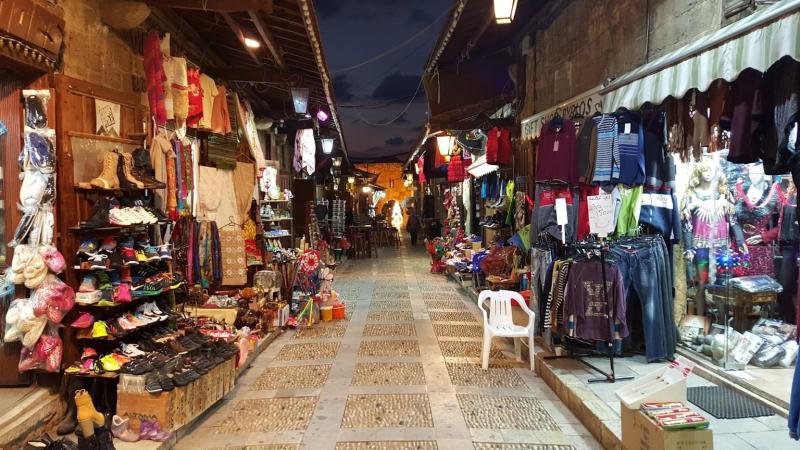
Beirut is renowned for its diverse markets that reflect an essential aspect of Lebanese daily life and culture. Visitors can explore specialized markets offering fresh produce and local foods to bustling bazaars with clothing, household items, antiques, and vintage pieces. These markets offer a unique experience distinct from modern shopping centers, especially for those who appreciate traditional atmospheres and varied pricing.
The traditional markets in Beirut are appealing to both tourists and locals alike as they provide a space for exploration, shopping, and experiencing local products. Some markets even offer opportunities to meet small business owners, craftsmen, and farmers while purchasing directly from them, turning a market visit into both a cultural and enjoyable journey.
Top Traditional Markets in Beirut
Souk El Tayeb in Beirut
Souk El Tayeb is a premier spot known for its agricultural products, homemade meals, crafts, and local goods, promoting farmers and small producers. Visitors can discover various products sourced from different Lebanese regions.
Key items available in such markets include:
- Fresh agricultural produce.
- Lebanese pantry staples.
- Cheeses and dairy products.
- Jams and pickles.
- Traditional foods.
- Handmade goods.
- Seasonal local items.
This market is an excellent option for those seeking traditionally styled Lebanese gifts, especially local food items to take home or present to friends.
Sunday Market in Beirut
One of the most popular markets in the capital, the Sunday Market, is known for its extensive assortment of goods showcased in stalls and shops.
Shoppers can find clothing, footwear, household items, accessories, old pieces, and collectibles, attracting those in search of varied and reasonably priced products.
The Sunday Market is notable for offering a shopping adventure where rare finds are often not easily available in traditional stores.
Farmers' Market and Local Goods
The Farmers' Market is exemplary in its focus on supporting small producers, entrepreneurs, and artisans, offering a platform for local products, foods, and handcrafts.
Visitors can discover locally made products, ideal for those seeking gifts with a Lebanese flair away from generic commercial items.
These markets also present a great opportunity to support small businesses and artisans by purchasing products directly from them.
Antique and Vintage Markets in Beirut
Antique and vintage markets attract enthusiasts seeking rare items and historically themed collectibles. Shoppers might find used books, old household tools, decorative pieces, photos, and artifacts with a touch of the past.
Patience is vital when visiting these markets, as finding a unique piece may require sifting through a vast range of displays.
Some sellers may allow room for price negotiation, which is part of the shopping experience in many traditional markets.
What to Buy at Beirut's Traditional Markets?
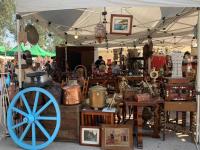
The products vary depending on the market, but include a wide range of items to look for, such as:
Lebanese Food Products
Some markets offer pantry staples and local goods such as thyme, jams, pickles, cheeses, and other products reflecting Lebanese cuisine.
Gifts and Souvenirs
Handmade gifts and Lebanese-themed products are available, perfect for tourists seeking a souvenir from Beirut.
Clothing and Accessories
Some markets offer a variety of clothing, footwear, and accessories, often priced more diversely than in traditional stores.
Antiques and Vintage Items
Old pieces attract enthusiasts of traditional markets, especially those looking for unique non-commercial items.
Household Items
A variety of household tools and practical products are available at differing price points.
Why Tourists Prefer Beirut's Traditional Markets?
Traditional markets are vital not only for shopping but for introducing visitors to a different aspect of Beirut beyond conventional tourist sites.
Walking through stalls, engaging with sellers, and discovering local products adds a social and cultural dimension to the visit.
Many tourists favor traditional markets when seeking gifts at various price points, especially when the products are local or handmade.
The Best Time to Visit Traditional Markets in Beirut
The best time depends on the market's nature and operational days, so it's advisable to check market hours before visiting, especially for weekly markets.
Arriving early is recommended if buying fresh products or searching for unique items before the market gets crowded, while some may prefer visiting during peak hours for the vibrant atmosphere.
Tips for Shopping at Beirut’s Traditional Markets
For an enhanced experience, consider these simple tips:
- Confirm prices before purchasing.
- Compare similar products from different vendors.
- Inquire about the origin of food products.
- Try negotiating prices when appropriate.
- Keep personal belongings safe during crowded times.
- Bring a suitable bag for purchases.
- Check market operating hours before heading out.
- Allocate enough time to freely explore and discover different stalls.
The Traditional Market Experience in Beirut
Traditional markets offer visitors a chance to experience Beirut from a different perspective, combining shopping with daily life, local products, and social environments. The unique nature of each market allows for specific shopping preferences.
With diverse products available, visiting the market can be part of a complete tourism itinerary, especially when integrated with tours of historic neighborhoods, restaurants, and nearby cafes.
Conclusion
The traditional markets in Beirut are premier destinations for aficionados of traditional shopping, local products, antiques, and vintage pieces. Souk El Tayeb is a top choice for those keen on discovering agricultural products and homemade foods, while the Sunday Market offers a wide range of clothing, footwear, household items, and various goods.
Markets focusing on local products, crafts, and antiques also provide opportunities to purchase gifts and souvenirs with a distinctly Lebanese character. Before visiting any market, it's advisable to confirm operating schedules, especially for weekly markets.
Best Places for a Tourism Project in Lebanon
Best Hotel Apartments in Byblos