


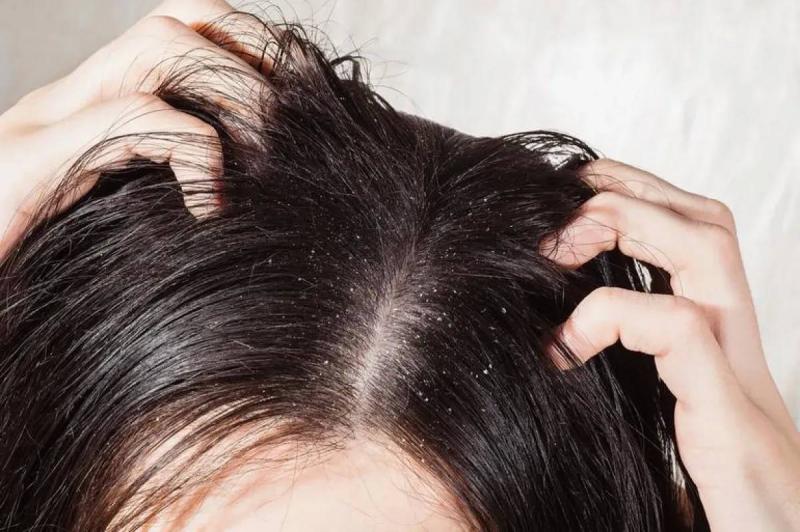
Eliminating dandruff involves identifying its root cause and selecting the appropriate treatment for your scalp. Often, dandruff can be managed using a therapeutic shampoo containing active ingredients that counteract fungi or help eliminate buildup.
Choosing any anti-dandruff shampoo isn’t enough, as active ingredients vary in their effectiveness. If the condition doesn’t improve with a particular product, trying a different type may be necessary. Therefore, following the shampoo’s instructions and avoiding overuse is crucial.
Top Solutions for Treating Dandruff
Before exploring home remedies, caring for the scalp and using a suitable shampoo with an effective ingredient is essential. Choose the right component based on the severity of dandruff and accompanying symptoms.
1. Medicated Anti-Dandruff Shampoo
There are various medicated shampoos with active ingredients aimed at reducing dandruff, itchiness, and minimizing fungal growth associated with some dandruff cases.
Ketoconazole: Serves as an antifungal agent, effective for dandruff and seborrheic dermatitis due to increased Malassezia yeast growth.
Zinc Pyrithione: Helps reduce microbes linked to dandruff and can alleviate symptoms with regular use.
Salicylic Acid: Exfoliates the scalp and removes accumulated skin cells, though it may cause dryness in some individuals. A suitable conditioner can be applied to hair lengths.
Selenium Sulfide: Mitigates fungal growth and slows down scalp cell flaking, beneficial for dandruff and seborrheic dermatitis cases.
Proper Use of Anti-Dandruff Shampoo
Do not rinse medicated shampoos immediately after application; some formulas require remaining on the scalp for a few minutes to achieve effectiveness. Apply shampoo directly to the scalp, not just the hair ends, and massage gently with fingertips. Leave the product on as directed before rinsing thoroughly.
Usage frequency varies based on the active ingredient and manufacturer’s guidelines. Thus, following product instructions or a doctor's recommendation is better than adhering to a fixed schedule for all shampoo types.
Home Remedies to Soothe the Scalp
Alongside therapeutic shampoos, some home remedies may soothe the scalp, though they shouldn’t replace medical treatment if dandruff is severe or persistent.
2. Aloe Vera Gel
Aloe vera gel may soothe itchiness and irritation for some, thanks to its moisturizing and calming properties. Apply a small amount of pure gel to the scalp briefly, then wash off thoroughly. Cease use if it causes burning, redness, or any skin reaction.
3. Tea Tree Oil
Tea tree oil has antimicrobial properties, and evidence shows potential benefits when used in scalp-specific products. However, applying concentrated essential oils directly on the skin may lead to irritation or allergies.
Therefore, avoid using pure tea tree oil on the scalp. Instead, use a product designed for hair with clear instructions.
4. Apple Cider Vinegar
Apple cider vinegar is often mentioned for dandruff treatment, yet evidence is limited compared to known medical shampoos. Concentrated vinegar on the scalp may cause irritation and chemical burns.
Hence, it’s not recommended as a primary dandruff treatment, particularly for those with sensitive, injured, or inflamed scalps.
Daily Habits to Combat Dandruff
Avoid Extremely Hot Water
Very hot water can increase scalp dryness and irritation. It's better to wash hair with lukewarm rather than excessively hot water.
Limit Styling Product Build-Up
Overuse of gels, sprays, and heavy oils can lead to product residue accumulation on the scalp, potentially intensifying greasiness or itchiness. Ensure you clean the scalp thoroughly and avoid applying heavier products directly on roots.
Avoid Scratching the Scalp with Nails
Intense scratching won’t remove dandruff and can lead to skin damage, inflammation, or small cuts. Use fingertips to gently massage the scalp when washing hair.
Choose a Suitable Washing Routine
No single rule fits all regarding hair washing frequency. Oily scalps might require more frequent washes than dry ones. The goal is to maintain a clean scalp without causing excess dryness or irritation.
When to See a Dermatologist for Dandruff?
If dandruff persists despite using an appropriate therapeutic shampoo, or if the scalp becomes very red and itchy, it might not be simple dandruff. Symptoms can resemble conditions like seborrheic dermatitis, psoriasis, eczema, or fungal infections, requiring different diagnoses and treatments.
Consult a dermatologist if sores, discharge, or notable hair loss occur alongside dandruff. Seek advice if symptoms are severe, affecting daily life.
In Conclusion, managing dandruff begins with choosing a therapeutic shampoo with a suitable active chemical like ketoconazole, zinc pyrithione, salicylic acid, or selenium sulfide, adhering to the usage method by keeping the shampoo on the scalp for the specified time.
Simultaneously, avoiding extremely hot water, nail scratching, and product build-up can enhance scalp condition. Be cautious with home remedies such as apple cider vinegar and tea tree oil, as they are not medical substitutes and may cause irritation if misused.
See Also:
Causes of Premature Graying in Women