


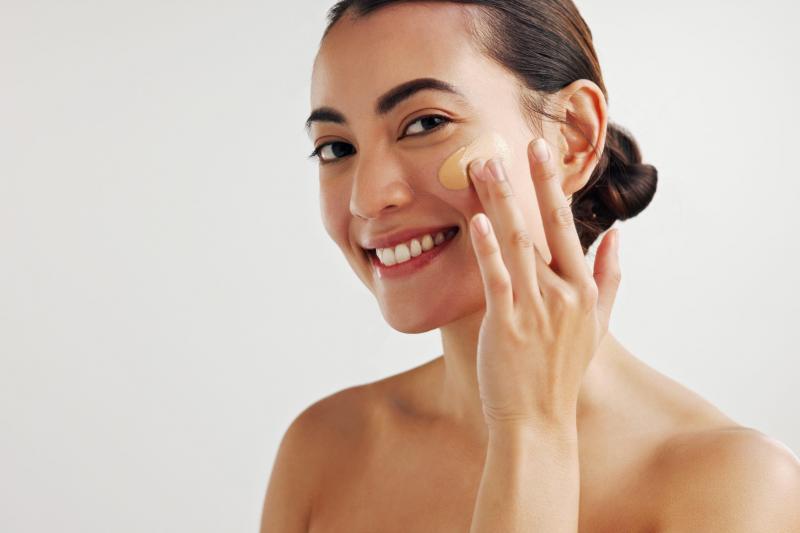
Choosing the right makeup products for your skin type is key to achieving a stable and natural look. While a foundation may be perfect for oily skin, it might accentuate dryness and flakiness on dry skin. Combination skin requires products that balance oily and dry areas of the face.
Makeup choice isn't limited to foundation; it includes primer, concealer, powder, blush, and even how you prepare your skin before applying makeup. The more suitable the products are for your skin type, the smoother and longer-lasting the result, with less clumping or excessive shine.
Best Makeup Products for Oily Skin
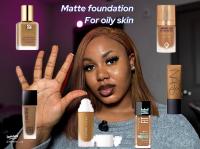
Oily skin is characterized by excess oil production, often making the forehead, nose, and chin appear shiny. So it's best to choose lightweight makeup products that help control oil without drying out the skin.
Foundation for Oily Skin
Opt for a foundation with a light to medium buildable coverage, with a matte or natural finish, especially if your skin is very shiny.
It's also wise to look for formulas that don't clog pores, particularly if your skin is acne-prone.
Primer for Oily Skin
A primer can be used to reduce the appearance of pores and control shine, focusing on areas with more oil production.
Avoid applying too much primer, as excessive layers can lead to makeup clumping.
Powder for Oily Skin
Powder helps set foundation and reduce shine. Apply a small amount to the oiliest areas.
Be cautious not to overuse it, as this can make makeup appear heavy or dry.
Best Makeup Products for Dry Skin
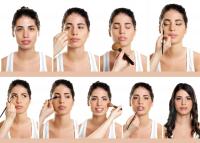
Dry skin requires products that offer a more hydrated and radiant appearance because overly dry or matte formulas can make flakes and lines more noticeable.
Foundation for Dry Skin
Choose a hydrating foundation with a natural or luminous finish, rather than ultra-matte products.
It's advisable to prepare your skin well with the appropriate moisturizer before makeup and allow it to absorb into the skin.
Concealer for Dry Skin
Opt for a moisturizing and blendable concealer, especially under the eyes.
Use a small amount and add more if needed since thick layers can settle into fine lines.
Does Dry Skin Need Powder?
Powder can be used sparingly, as a large amount may enhance dryness.
Focus on areas that need to set makeup only.
Best Makeup Products for Combination Skin
Combination skin has oily areas, often on the forehead, nose, and chin, and drier areas, typically the cheeks.
This requires a slightly different approach when applying makeup.
Foundation for Combination Skin
Choose a balanced foundation with a natural touch, avoiding formulations that are too oily or too dry.
Apply slightly more in areas that need coverage, avoiding product build-up in dry areas.
How to Use Primer
For combination skin, using different products for different areas is the best approach.
Apply shine-controlling primer on the T-zone while moisturizing the dry areas.
How to Choose Foundation Based on Skin Type
Before buying foundation, it's beneficial to understand the result you want to achieve.
If you have oily skin, a natural or matte finish foundation controlling shine may suit you.
If you have dry skin, opt for a hydrating formula with a natural or luminous touch.
For combination skin, a balanced foundation that can be applied differently across the face may work best.
Best Concealer Type by Skin Type
Concealer is a crucial makeup product, and its formulation should match your skin type.
For Oily Skin
Select a medium-coverage, settable concealer, avoiding thick formulas if pores are visible.
For Dry Skin
Choose a moisturizing, easy-to-blend concealer to prevent it from clumping around the eyes.
For Combination Skin
You can use a medium-coverage concealer, setting only the oily areas with a small amount of powder.
Best Blush for Skin Type
You can choose a cream or powder blush based on your skin's nature and the desired outcome.
Dry skin may benefit from creamy textures for a more vibrant look, while powder formulations can be useful for oily skin.
For combination skin, either type can be used depending on the areas and desired makeup longevity.
How to Prepare Skin Before Makeup
Preparing the skin is a fundamental step for better makeup application.
Start with gentle cleansing, then apply a suitable moisturizer for your skin type. Use sunscreen during the day, and primer if it’s part of your routine.
Oily skin requires light moisturization, dry skin needs more hydration, while combination skin can be treated with different products tailored to each area.
Common Makeup Mistakes
There are common errors that can affect the appearance and durability of makeup, such as:
Choosing a foundation unsuitable for your skin type.
Applying too many makeup layers.
Not moisturizing dry skin before makeup.
Using excess powder.
Ignoring oily areas in combination skin.
Applying makeup on unclean skin.
Not regularly cleaning makeup tools.
Selecting a foundation shade that doesn’t match your skin tone.
Does Makeup Cause Pimples?
Some makeup can contribute to clogged pores in individuals prone to acne, especially with unsuitable products or sleeping with makeup on.
Therefore, it’s essential to thoroughly remove makeup before sleeping, regularly clean brushes and sponges, and choose products designed for non-clogging and prone skin.
Tips for Long-lasting Natural Makeup
For better results, you don't necessarily need a wide range of products. The important thing is choosing the right formulations and applying them in light layers.
Testing foundation shades in natural light and letting skincare products absorb well before starting with makeup is also advisable.
Conclusion
Choosing the best makeup products for oily, dry, and combination skin depends on understanding your skin's nature and needs. Oily skin benefits from products controlling shine, dry skin from hydrated, luminous formulas, while combination skin requires a balance of moisture and oil control.
The key is not solely in the product type but in choosing the right formulation and applying it according to different facial zones.
Related
Best Sunscreen for Oily Skin in Summer
10 Possible Reasons for Delayed Menstrual Cycle Without Pregnancy