


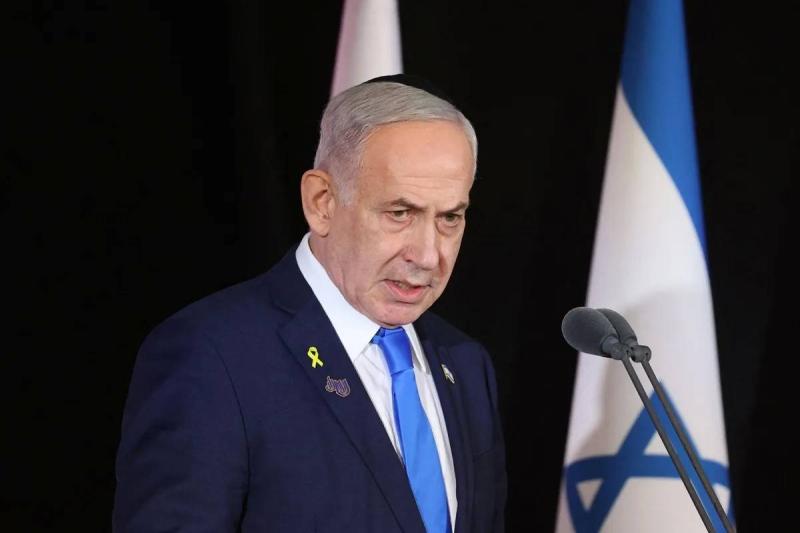
Israeli Prime Minister Benjamin Netanyahu is preparing for potential internal unrest within his Likud party. Concerns have risen over the upcoming primary elections, which could see current Knesset members losing their secure positions on the electoral list, sparking political maneuvers against Netanyahu before national elections, according to Hebrew newspaper 'Maariv'.
Over the past two days, Netanyahu has held a series of individual meetings with current Likud Knesset members. Within the party, there are estimates that intense competition could push many members to less secure positions, jeopardizing their return to parliament.
Contrary to earlier assumptions, Netanyahu has not offered alternative role promises or compensations to members who might lose their positions in the primaries. Instead, he is conducting what sources describe as 'personal and deep conversations'.
The discussions are not limited to the upcoming list arrangements but also on how to handle members losing in the primaries, especially since they will continue their Knesset duties until national elections occur.
Netanyahu's concerns revolve around the possibility of disgruntled members who lose their spots becoming targets for his political adversaries, aiming to form an internal bloc against him before elections.
One scenario discussed within the party, according to 'Maariv', includes attempts to push for a constructive no-confidence vote, leveraging the continued presence of losing members in the Knesset until their term ends, even though their chances of rejoining via the Likud list would be slim.
Currently, there are no indications of an organized movement in this direction, and discussions remain within Netanyahu’s circle as scenarios and concerns.
Meanwhile, Likud sources anticipate Netanyahu might make an unexpected move post-primaries, potentially giving up his right to appoint several direct slots on the party list.
This possibility arises due to expected difficulties in passing such appointments through the Likud's general secretariat, which comprises about 100 members, including current Knesset members.
Consequently, members losing secure spots might oppose directly appointed slots, especially if it appears to trump primary election winners.
Netanyahu's round includes every current Knesset member from 'first to last', holding individual meetings to assess their activities, issues, and regional needs they voice.
These conversations exclude new primary candidates, focusing instead on current members facing possible displacement from top list positions.
Likud internal estimates predict fierce upcoming competition due to increased numbers of parliamentarians and ministers seeking leading positions alongside regions’ reserved spots, tightening space on the national list.
The decision to bar current and former Knesset members from running for regional seats has intensified the competition, closing a potential path to relieve pressure on the national list.
While Netanyahu aims to stabilize internal balances before primaries, the main challenge lies in handling members who find themselves without secure positions and preventing a list-order conflict from turning into a political crisis within the party and Knesset.