


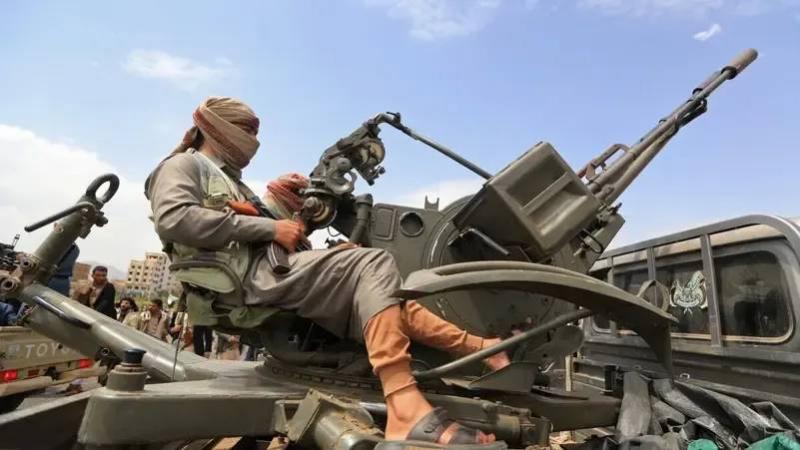
Precision airstrikes conducted by the Yemeni Armed Forces' drones targeted the movements and positions of Houthi militia in the Third Military Region's operations theater, located in southern Marib province, eastern Yemen. The strikes inflicted substantial losses on the militia in terms of equipment and personnel.
On Sunday evening, the Yemeni Armed Forces' media center released new footage documenting aerial surveillance and tracking of militia groups and their military vehicles before they were struck with pinpoint accuracy. This was part of efforts to counter recent Houthi escalations on the province's outskirts.
#فيديو :
— المركز الإعلامي للقوات المسلحة اليمنية (@Yem_army_media) August 16, 2026
سلاح الطيران المسير التابع للقوات المسلحة يتعقب ويستهدف وسيلة عسكرية تابعة لمليشيا الحوثي الإرهابية في جبهة العيرف ضمن مسرح العمليات القتالي التابع للمنطقة العسكرية الثالثة جنوبي مأرب
المركز الإعلامي للقوات المسلحة pic.twitter.com/7mGP3RP925
The footage shows that the Yemeni army possesses advanced reconnaissance and aerial strike systems, which have enabled it to survey the southern axis of Marib’s combat operations, identify and destroy Houthi targets both mobile and stationary. This success has thwarted militia plans and disrupted their field movements.
These intensive strikes follow the Yemeni Defense Ministry's recent strategic shift to incorporate a heavy use of drones—both domestically produced and imported—within the air force and ground operations, aiming to establish a critical deterrent against Iran’s influence in Yemen.
The southern front of Marib is strategically significant as Houthi militants continuously attempt to breach it to reach vital oil and other facilities. However, the entrance of drone warfare has granted government forces air and intelligence superiority, enabling them to sever militia supply lines and target leadership and equipment in their depth.
Observers suggest that the continued publication of documented drone strike footage across various battlefronts reflects the Yemeni Armed Forces' transition from defense and response phases to establishing air control and setting new battle rules, paving the way for extensive operations to pursue militia forces and complete the reclamation of state institutions, thus ending the coup.