


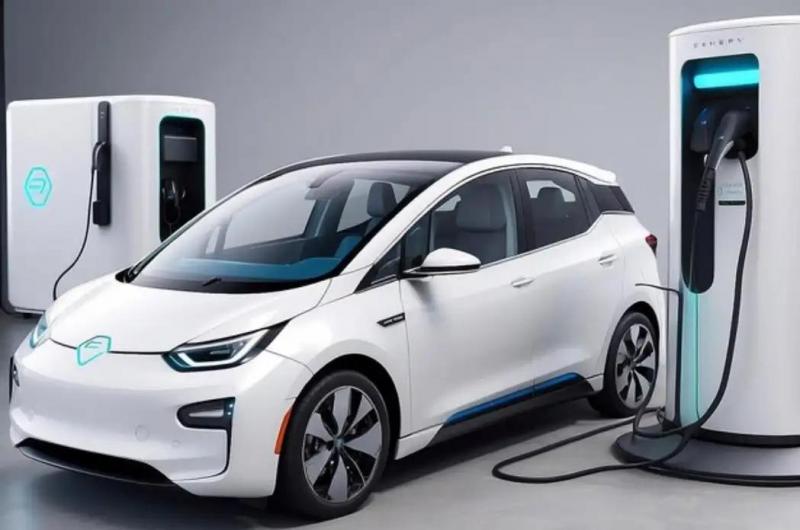
Electric car batteries are one of the most crucial and costly components of a vehicle. Many potential buyers naturally ask: How long do electric car batteries last? Generally, modern electric car batteries can endure for many years, with a lifespan typically ranging from 10 to 20 years, depending on the battery type, usage habits, and environmental conditions.
A gradual decline in battery efficiency over time doesn’t mean it will suddenly stop working, but rather its capacity decreases, reducing the vehicle's range per charge. Many manufacturers offer long warranties on their batteries, reflecting the advancement in electric vehicle technologies.
How Many Years Do Electric Car Batteries Last?

Under normal usage conditions, an electric car battery can typically last between 10 and 20 years, though the actual lifespan can vary from one vehicle to another.
Several factors affect the battery’s duration, including battery type, charge cycles, temperature, driving habits, and the vehicle's battery management system.
Some estimates suggest that modern batteries can withstand about 1,500 to 2,500 charge cycles or more, depending on their design and operating conditions.
Does an Electric Car Battery Need to Be Replaced After 8 Years?
Not necessarily. The 8-year warranty commonly offered by many companies does not imply the battery will cease functioning afterward.
Warranties are often tied to a specific time frame or distance, ensuring a minimum capacity that the company commits to maintaining during the warranty period. Batteries may continue working for additional years post-warranty, though at diminishing efficiency.
How Far Can an Electric Car Battery Last?
There isn’t a single distance applicable to all electric cars, as battery life depends on usage and operational conditions.
Some companies offer battery warranties reaching 8 years or approximately 160,000 kilometers, with specifics varying by manufacturer and model.
It’s important to distinguish between the chronological age of the battery and the distances the car travels during its lifetime; a car may accumulate short distances over many years while another might cover substantial distances in less time.
Do Electric Car Batteries Lose Efficiency Over Time?
Yes, it is normal for battery capacity to gradually decrease over time, especially with frequent use.
For example, a newly charged car may cover a certain range which may decrease over years due to declining usable capacity.
However, the reduction usually occurs gradually, and some batteries may retain a high percentage of their capacity after extensive use.
What Factors Affect Battery Life?

1. High Temperatures
High temperatures can significantly accelerate battery degradation, especially when subjected to prolonged extreme heat.
Modern cars consequently use systems to manage battery temperature and maintain it within an appropriate range.
2. Frequent Fast Charging
While fast charging is a significant convenience for electric car owners, it can increase thermal and electrical stress on the battery when used frequently, depending on the vehicle and charging conditions.
It is thus advisable to rely on regular charging when practical and resort to fast charging as needed.
3. Keeping the Battery at Maximum Charge Levels
Keeping the battery at very high charge levels for extended periods can impact its deterioration rate.
Following manufacturer recommendations for suitable daily use charging levels is preferable.
4. Intensive Driving and Use
Frequent and intense vehicle use, especially under harsh conditions, can degrade the battery over time.
How to Maintain an Electric Car Battery for the Longest Time?
A set of steps can extend battery life, which include:
- Complying with the manufacturer's charging guidelines.
- Avoid leaving the car with a fully charged battery for long periods.
- Not leaving the battery very low for long periods.
- Using fast charging only when necessary rather than relying on it constantly.
- Minimizing exposure to extreme heat as much as possible.
- Keeping the vehicle's system and battery management updates.
- Conducting regular maintenance and inspections per the manufacturer’s instructions.
Is the Electric Car Battery the Most Expensive Part of the Vehicle?
The battery is typically one of the most expensive components of an electric vehicle, substantially influencing the used car value.
Thanks to advancements in battery manufacturing technologies, improved energy density, and reduced production costs over time, electric vehicles have become capable of providing a longer operational life.
Batteries are not typically replaced in full merely due to diminished efficiency; in some cases, damaged modules or cells can be assessed and repaired depending on the car's design and parts availability.
What Happens to the Battery After Its Lifecycle in the Car?
Once a battery is deemed unfit for vehicle use, it doesn’t necessarily become obsolete.
It can often be repurposed for energy storage applications, like storing electricity from solar power, before eventually being sent for appropriate recycling processes.
Re-purposing and recycling help maximize the use of materials within batteries, reducing the need for extracting new raw materials.
Is Buying a Used Electric Car Safe Regarding the Battery?
A used electric car can be a good choice, but it’s important to assess the battery’s condition before purchase.
It’s advisable to know:
- Battery health status or its current capacity.
- Total kilometers driven by the car.
- The previous charging pattern used.
- The vehicle’s history in high-temperature regions.
- Remaining warranty on the battery.
- Maintenance and accident records.
- Results from a specialized battery inspection before completing the purchase.
Having the battery electronically checked at a specialized center is essential, especially when purchasing a high-mileage or older used electric car.
Conclusion
Modern electric car batteries can last a long time, with a lifespan often stretching 10 to 20 years, depending on battery type and usage patterns. Capacity decline over the years does not spell the end of the battery's usability; it can still operate the vehicle with a gradual reduction in driving range.
To preserve battery life as long as possible, follow manufacturer instructions, avoid extreme heat, and refrain from excessive fast charging, maintaining a suitable daily charging pattern.
Related Articles
Top 10 Cars Suitable for Young People
Best Car Exhibitions in Jounieh