


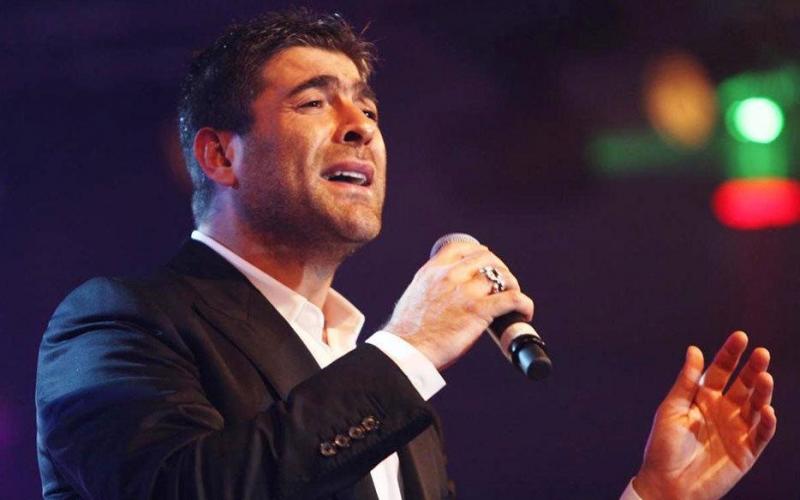
Lebanese singer Wael Kfoury is considered one of the most prominent voices in Lebanese and Arabic music. Known for his distinctive voice and romantic style, Kfoury has maintained a strong fan base through the years by bringing a contemporary spirit to Lebanese songs. Since his debut, he has carved a unique artistic identity that established him as a major figure in Arabic music.
Kfoury's journey to fame was not accidental; it began in his hometown of Zahle, where his father encouraged his early interest in singing and traditional Lebanese mawawil. His participation in the talent show Studio Al Fan during the 1992-1993 season was pivotal, earning him a gold medal and marking the start of a prolific career filled with successful songs and public performances.
Who is Wael Kfoury?
Wael Kfoury is the stage name of Lebanese singer Michel Emile Kfoury, born in Zahle's Houch El Omara area in September 1974. Growing up in a family where music had a significant presence, Kfoury was introduced to the beauty of Lebanese songs and mawawil by his father Emile Kfoury.
Kfoury's passion for music was evident from an early age. After moving to Beirut for his studies, he took more significant steps towards a musical career.
Beginnings in Zahle and Family Influence
Kfoury's roots lie in Zahle, a city known for its cultural and artistic heritage. This environment played a crucial role in shaping his musical identity, particularly his affinity for Lebanese songs and mawawil.
His father, Emile Kfoury, greatly influenced his early career by teaching him traditional singing techniques. This support was integral to developing his vocal talent and aligning him with a Lebanese musical style, crucial elements of his identity.
Studying and Moving to Beirut
After high school, Kfoury moved to Beirut to attend the Holy Spirit University of Kaslik, where he further nurtured his musical interests.
During his studies, the opportunity to join Studio Al Fan, directed by the late Simon Asmar, presented itself, ultimately changing his life trajectory.
Studio Al Fan: A Launchpad for Success
Kfoury's participation in the 1992-1993 edition of Studio Al Fan was a turning point. His talent captured both the judges' and the audience's attention, earning him a gold medal for singing.
He shared this edition with future stars like Elissa, Diana Haddad, and Maen Shreif. The panel, including judge Romeo Lahoud, praised his talent, shining a spotlight on his vocal prowess and paving the way for his professional journey.
Crafting a Unique Musical Identity
Post-Studio Al Fan, Kfoury did not rely solely on his initial success. He began crafting an independent musical identity, primarily focusing on romantic Lebanese songs using his deep voice and emotive performances.
Over the years, his music has dealt with themes of love, heartbreak, longing, and romantic relationships, helping him garner a wide following across Lebanon and the Arab world.
His commitment to the Lebanese dialect in his songs has been a significant factor in establishing a clear artistic identity, especially as Lebanese music played a strong role in his career.
Long-lasting Musical Journey
Kfoury has maintained his presence in the music industry for decades, offering fans numerous albums, singles, and performances.
His activities extend beyond music releases; he has appeared on television, served as a talent show judge, and taken part in various entertainment programs.
His repertoire includes forays into shows like X Factor and Arab Idol, along with guest appearances on other programs, ensuring his continued engagement with the audience outside musical releases.
Wael Kfoury in Talent Shows
Kfoury's relationship with talent shows isn't limited to Studio Al Fan. He returned as a judge on several Arab shows, including X Factor and Arab Idol, lending his extensive experience to assess and guide emerging talents.
These roles highlight his diverse career, showing that he is not only a performer but also an esteemed mentor for new talent.
Wael Kfoury in Drama and Cinema

While music is Kfoury's main field, he has also participated in visual media.
His filmography shows a role in the 2008 movie Bahr al-Nujoom and involvement in various TV shows, though singing remains his central focus and the dominant field where he found the most success.
What Makes Wael Kfoury Popular?
Kfoury's success stems from his powerful and emotive voice, which resonates deeply with listeners. His choice of romantic songs has broadened his appeal across ages.
Moreover, his dedication to the Lebanese style in much of his work, combined with modern musical trends, has allowed him to blend the classic Lebanese song style with contemporary production.
His constant presence in concerts and TV shows has kept him relevant in the Arab music scene for many years.
Signature Traits of His Music
Kfoury's musical journey is marked by his focus on emotional songs, reliance on the Lebanese dialect, and attention to melody and vocal performance.
He developed a unique musical style rather than following a single trend, allowing him to evolve with changing music tastes over the years.
As a result, he is seen as one of Lebanon's leading singers associated with romantic music.
Personal Life Keep Away from Limelight
Despite public interest in his personal life, Kfoury has largely maintained a degree of privacy, focusing more on his professional appearances.
Reports indicate he was previously married to Angieelle Georgi Beshara, with whom he shares two daughters, before their marriage ended.
Still, his artistic life remains the most visible aspect of his public presence, reinforced by his ongoing musical releases and performances.
Wael Kfoury: A Journey from Zahle
From a young talent in Zahle to a celebrated Lebanese voice, Wael Kfoury has built a long career that began clearly with Studio Al Fan in the 1990s.
Winning the gold medal was a doorway to success but not the sole reason for his ongoing career. His distinct voice, song choices, and public appeal solidified his place in the Arabic music scene.
After three decades, Kfoury's name is synonymous with Lebanese romantic music, and his vast body of work forms a part of Arab audiences' memories.
Conclusion
Wael Kfoury exemplifies an artist who turned early talent into a sustainable career. From Zahle, where his interest in music was nurtured by his father, he moved to Beirut and shone in Studio Al Fan, earning a gold medal that opened doors to fame and professionalism.
Throughout the years, he solidified his status as a Lebanese music star thanks to his voice, emotive performances, and distinctive romantic style. His involvement in television and talent show judging has expanded his reach, keeping him a vital name in the Arab music landscape.
Related Links