


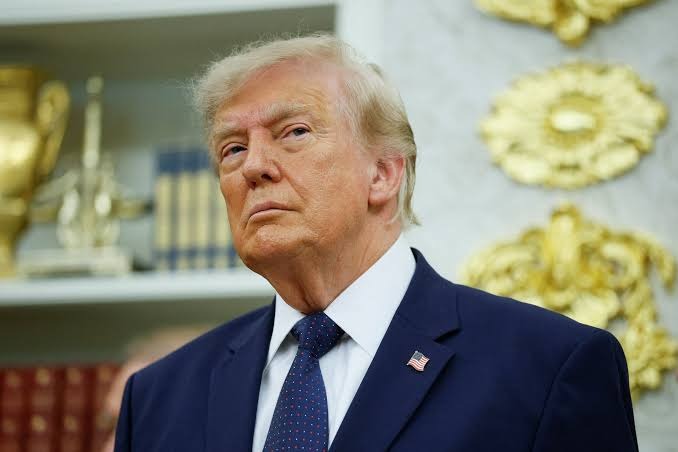
On Monday, U.S. President Donald Trump announced that the United States will not seek to extend the memorandum of understanding signed with Iran. This announcement coincides with the end of the deadline for reaching a final agreement between Washington and Tehran, adding uncertainty to the diplomatic trajectory and ongoing conflict between the two nations.
According to Reuters, Trump stated that Washington ‘is not seeking to extend the understanding with Iran,’ without revealing the next steps his administration will take following the expiry of the temporary negotiation framework.
The United States and Iran signed the memorandum in June, granting both parties a 60-day period to reach a final agreement on contentious issues including Iran's nuclear program, U.S. sanctions, and freedom of navigation in the Strait of Hormuz.
The memorandum included halting military operations, gradually lifting the U.S. naval blockade, and easing some financial restrictions on Tehran, in exchange for Iranian commitments regarding its nuclear program and the resumption of shipping through the strait.
However, the temporary understanding quickly faltered, as the ceasefire collapsed weeks later over disputes about navigation arrangements and control of the Strait of Hormuz.
Iran resumed operations against ships it claimed violated its crossing arrangements, while the U.S. tightened its blockade on ports and shipping related to Iran, alongside continuing sanctions and military operations.
Trump’s stance comes as negotiations have stalled, with Reuters quoting a senior Iranian official warning that Tehran might escalate its military actions if Washington does not fulfill the commitments stated in the memorandum.
The same official mentioned a shift in Iranian policy from defense to ‘full offense,’ hinting at possible military actions to break the U.S. maritime blockade if diplomatic efforts fail.
Trump's refusal to extend the memorandum suggests Washington does not intend, for now, to grant additional time for negotiations under the existing framework. However, it is unclear whether the administration will propose an alternative negotiating format or move further towards economic and military escalation.
The decision is especially crucial given the timing with recent escalations in the Strait of Hormuz, where Iranian media reported the seizure of a tanker linked to a UAE company near Qeshm Island for allegedly violating Iranian ‘crossing arrangements.’
The strait remains a significant point of contention between Washington and Tehran, with Iran insisting on its right to impose arrangements on traversing ships, contrary to the U.S. stance of ensuring freedom of navigation.
On the economic front, the Trump administration is also preparing to increase pressure on Tehran, with U.S. officials talking about impending measures targeting Iran’s revenue sources and financial and oil networks.
Trump previously called on Iran to surrender to end the conflict, while his administration has vowed unprecedented economic measures, making the end of the memorandum without extension a pivotal point that could determine whether the confrontation will shift to a new negotiating framework or a more intense round of economic and military pressure.
With the 60-day period ending, Washington and Tehran face a more uncertain phase, amidst the lack of a final agreement, the collapse of the ceasefire, continued disputes over the Strait of Hormuz, and escalating mutual threats.