


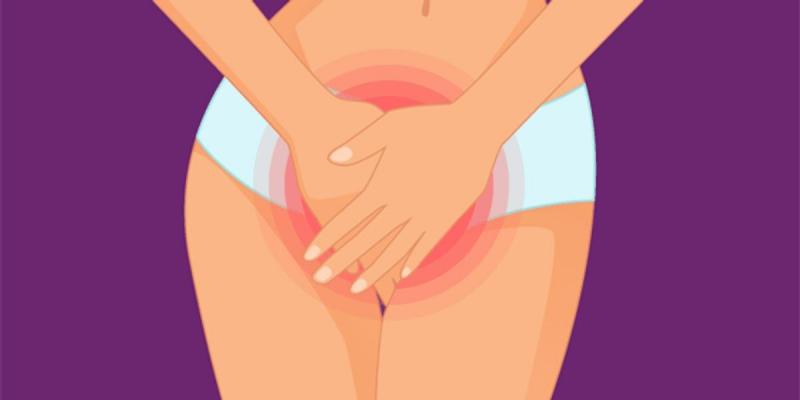
Many women experience pain during or after intimate relations. This discomfort can range from mild and temporary to severe and chronic, potentially affecting a woman’s comfort, desire, and marital life. Medically, repeated pain during intercourse is referred to as dyspareunia, and it can be linked to various physical, psychological, or hormonal factors.
Although pain doesn’t necessarily indicate a serious problem, its recurrence or association with other symptoms requires attention and an understanding of the underlying cause, as treatment hinges on identifying the precise factor responsible.
Understanding Pain During Intimacy

Pain during intercourse might occur at the beginning of penetration, manifest as deep pelvic pain, or arise post-intercourse. The sensation varies between women, potentially being experienced as burning, tingling, pressure, tension, or a sharp pain.
Accurately identifying the location and timing of the pain is crucial for healthcare professionals to determine potential causes and select appropriate testing and treatment options.
Common Causes of Pain During Intimate Relations
1. Vaginal Dryness
Vaginal dryness is a common cause, where the lack of natural lubrication increases friction during intimacy, which might lead to burning or irritation and sometimes superficial abrasions.
Dryness might stem from insufficient sexual arousal or stress and could also be associated with hormonal changes, especially postpartum, during breastfeeding, or menopause.
2. Inadequate Time for Arousal
The body requires sufficient time to prepare for intimacy, with natural vaginal lubrication increasing with sexual arousal.
Rapid penetration before reaching adequate arousal and lubrication may lead to increased friction and painful intercourse.
Extending the time for foreplay and communication between partners may help in reducing pain linked to dryness or inadequate lubrication.
3. Vaginal Infections
Fungal or bacterial infections can cause irritation and sensitivity in the genital area, making intimacy painful.
These infections may accompany symptoms like itching, burning, unusual discharge, or a change in discharge smell.
In such cases, self-treatment is not recommended, as treatment types vary depending on the infection cause.
4. Urinary Tract Infections
Urinary tract infections might cause pain or burning when urinating and discomfort during intercourse for some women.
Symptoms accompanying these infections might include frequent urination, urgency to urinate, or lower abdominal pain.
If these symptoms are evident, consulting a doctor and conducting necessary tests is advisable.
5. Pelvic Floor Muscle Spasms
The involuntary contraction of pelvic floor muscles can make penetration difficult or painful. This contraction might be linked to fear of pain, anxiety, or a past traumatic experience.
Certain cases may benefit from specialized physiotherapy for pelvic floor muscles alongside addressing the psychological or physical factors causing the problem.
6. Endometriosis
Endometriosis might cause deep pain during intercourse, especially in certain positions or when pain is also related to menstruation.
Other symptoms may include severe menstrual pain, chronic pelvic pain, or difficulties in becoming pregnant for some women.
This condition requires medical evaluation for accurate diagnosis and appropriate treatment options.
7. Ovarian Cysts
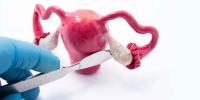
Certain ovarian cysts can lead to pelvic pain or deep pain during intimacy, particularly if the cyst is large or causes pressure on surrounding organs.
Not all ovarian cysts are dangerous, as they come in various types, with some disappearing on their own.
8. Uterine Fibroids
Uterine fibroids are benign growths that may cause pressure or discomfort in the pelvic area, and sometimes pain during intercourse for certain women.
Symptoms might include heavy menstrual bleeding or pelvic pressure, depending on the size and location of the fibroid.
9. Hormonal Changes
Low estrogen levels may lead to thinning of vaginal tissues and decreased lubrication, making intercourse more painful.
This is particularly evident during menopause but may occur in other stages due to hormonal changes or during breastfeeding.
10. Postpartum Recovery
Post childbirth, a woman might experience pain during intimacy, especially if there are stitches or tears in the perineal area, or if tissues haven't fully healed.
Hormonal changes postpartum and during breastfeeding might impact natural vaginal lubrication.
Allowing adequate time for body recovery and avoiding resuming intimacy if it causes noticeable pain is important.
Can Psychological Factors Cause Pain?
Yes, psychological factors can significantly contribute. Anxiety, fear, and stress might lead to tension in pelvic floor muscles and affect arousal and lubrication.
Women might enter a cycle of pain and fear; the fear of pain recurrence increases muscle tension, exacerbating pain during intercourse.
The psychological aspect should not be ignored, as the mind and body influence each other.
Do Certain Positions Cause Pain?
Some women might experience greater pain with specific positions, particularly if the pain is deep within the pelvis.
Experimenting with positions that allow for control over penetration depth, speed, and stopping when discomfort occurs instead of persisting despite discomfort is advisable.
Communication between partners is vital to identify what is comfortable and what causes pain.
How to Alleviate Pain?
Managing pain depends on the cause, but a few simple steps may help in cases related to dryness or friction:
- Allowing adequate time for arousal prior to penetration.
- Using an appropriate water-based lubricant when necessary.
- Avoiding scented or irritating products around sensitive areas.
- Choosing comfortable positions and controlling penetration depth.
- Ceasing activity if pain is intense or persistent.
- Treating infections or medical conditions after diagnosis.
- Seeking specialized help for persistent pelvic floor muscle spasms.
Creams or vaginal medications should not be used without understanding the pain's cause, as some products might exacerbate irritation.
When to Consult a Doctor?
It's recommended to see a gynecologist if the pain:
- Is recurrent or occurs most times during intercourse.
- Is severe or increasing over time.
- Is accompanied by unusual bleeding.
- Is accompanied by abnormal discharge or strong odor.
- Is accompanied by severe itchiness or burning.
- Is associated with pelvic pain outside of intercourse.
- Occurs after the onset of menopause.
- Affects the marital relationship or makes penetration frequently difficult.
A doctor may request a physical exam, tests, or an ultrasound based on symptoms and health history.
Is Pain During Intercourse Normal?
Repeated pain isn't something women should have to accept or endure as a natural part of marital relations. Causes can be as simple as dryness or necessitate medical treatment for an underlying health issue.
It's crucial not to be embarrassed to discuss the problem with a healthcare provider, as knowing the pain’s location, timing, and accompanying symptoms greatly aids in identifying the cause.
Conclusion
Pain during intimate relations can stem from various causes, ranging from dryness, inadequate lubrication, and insufficient arousal to infections, pelvic floor muscle spasms, hormonal changes, or pelvic conditions like endometriosis, cysts, and fibroids.
If pain is recurrent or severe, the best course of action is to consult a gynecologist to accurately determine the cause and establish appropriate treatment. Intimate relations should not be a continuous source of pain, and identifying the cause can help restore comfort and improve the quality of marital life.
Also Check