


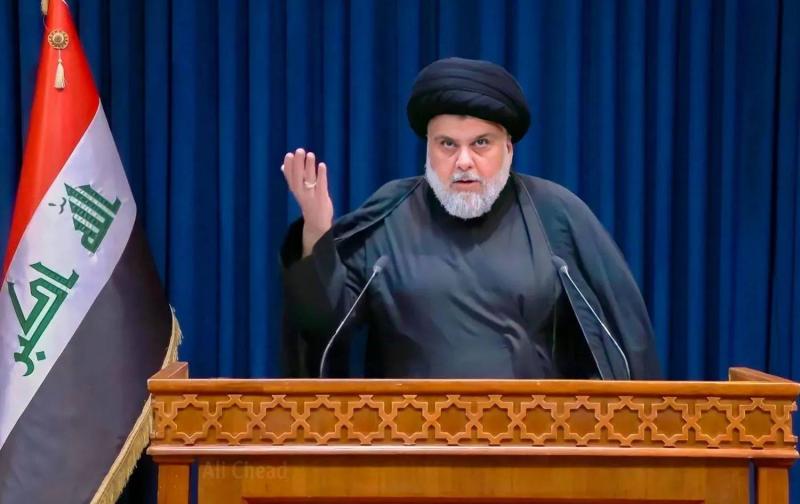
Shiite National Movement leader in Iraq, Moqtada al-Sadr, criticized on Monday the drone attacks targeting sites linked to Kurdistan Regional Government’s PM, Masrour Barzani, in Erbil. Al-Sadr called on Iran’s Revolutionary Guard to cease targeting Iraqi territories amid ongoing accusations about the attack's perpetrators.
In a statement on his ‘X’ platform account, al-Sadr highlighted the difference between Iraq being attacked by 'enemies' and the attacks from Iran's side. He expressed regret over the assaults affecting Iraqi officials in both Baghdad, Kurdistan, or elsewhere in the country.
Al-Sadr directly requested the Iranian Revolutionary Guard abstain from striking Iraqi lands, warning that such actions benefit the adversaries of both nations. He wished for Iraq and the region to be spared from war and escalation risks.
Al-Sadr’s statement follows drone attacks on Barzani’s office and the residence of the 'Parastin' security agency head in Ber Mam district of Erbil province early on Monday.
The Kurdistan Counter-Terrorism Agency reported the drones used were 'Hadeed-110' models, launched from the Iranian border side, confirming no casualties or damage resulted from the attack.
The agency denounced the attack, holding its perpetrators accountable for its repercussions, affirming its rejection of assaults targeting the region’s territory and security.
Kurdistan’s Prime Minister Masrour Barzani directly accused Iran of being behind the attacks, labeling it a ‘serious escalation’ and a direct threat to regional stability and security.
On the other hand, Iranian Foreign Minister Abbas Araghchi dismissed the justifications surrounding the attack, condemning it as a ‘reckless’ assault on Barzani’s office while urging Kurds to beware of misinformation efforts aimed at inciting tension between neighbors.
Al-Sadr’s stance surfaces amid increasing Iraqi sensitivities over its territory used as a battleground for regional conflicts, addressing the Revolutionary Guard directly, despite Tehran not claiming responsibility for the attack.
This attack occurs amid a series of security incidents in Kurdistan recently, adding to fears of regional tensions spilling over into Iraq, widening the conflict amid intersecting interests of Iran, Iraq, Syria, and Turkey.
With Erbil accusing Iran, al-Sadr urging a stop to any Iranian strikes on Iraqi lands, and Tehran cautioning against 'misleading operations', the attack rekindles discussions on Iraq's sovereignty and its ability to prevent becoming a platform for regional skirmishes.