



The Arab region hosts a collection of globally influential economies. Their strength is derived from various sources, including oil and gas, industry, commerce, tourism, services, and investments. Gulf countries top the list of the largest Arab economies, alongside Egypt, Algeria, Morocco, and Iraq.
Economic size is typically measured by the Gross Domestic Product (GDP), which reflects the total value of goods and services produced over a year. The latest estimates are based on data from the International Monetary Fund released in April 2026.
What are the Largest Arab Economies in 2026?
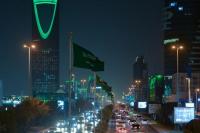
1. Saudi Arabia
Saudi Arabia leads the list of the top 10 Arab economies in the world due to its large economic size, oil wealth, and investment status.
The Saudi economy is not solely reliant on oil; it is witnessing an expansion in tourism, industry, mining, services, and technology sectors as part of economic diversification plans.
The IMF expects Saudi Arabia's economy to grow by 3.1% in 2026.
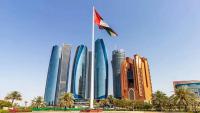
2. United Arab Emirates
The UAE ranks second among Arab countries thanks to a diversified economy that includes trade, tourism, aviation, financial services, real estate, and energy.
Dubai and Abu Dhabi play pivotal roles in strengthening the UAE's position as a global hub for business and investment.
The IMF forecasts the UAE's economy to grow by 3.1% in 2026.
3. Egypt
Egypt is among the largest Arab economies, benefiting from its large population and diverse economic sectors.
Its economy is dependent on industry, agriculture, tourism, services, energy, and the Suez Canal, alongside a vast local market.
The IMF anticipates Egypt's economy to grow by 4.2% in 2026.
4. Algeria
Algeria holds an advanced position among Arab economies, with oil and gas forming the core of its exports and revenues.
The country also has significant potential in industry, agriculture, mining, and renewable energy sectors.
The IMF predicts Algeria's economy to grow by 3.8% in 2026.
5. Iraq
Iraq has a large economy supported by oil reserves and energy production, with oil being the main driver of its economic activities.
At the same time, Iraq has vast opportunities to develop its agriculture, industry, tourism, and services sectors.
The IMF projects the Iraqi economy to contract by 6.8% in 2026, with a strong rebound expected in 2027.
6. Qatar
Qatar occupies a leading position among Arab economies, with liquefied natural gas as one of its most critical economic strengths.
The country has also bolstered its tourism, services, investment, and infrastructure sectors over the past years.
Qatar stands out with a projected growth rate of 8.6% in 2026, according to the IMF.
7. Morocco
The Moroccan economy is diverse compared to many Arab economies, relying on industry, agriculture, tourism, and services.
The automotive, aviation, and renewable energy industries have become significant sectors in the Moroccan economy.
The IMF expects Morocco's economy to grow by 4.9% in 2026.
8. Kuwait
Kuwait's economy is primarily oil-dependent, which is a major contributor to revenues and exports.
Kuwait, in return, has significant financial and investment capabilities, alongside a sovereign fund considered one of the most prominent in the world.
The IMF forecasts Kuwait's economy to grow by 2.8% in 2027 following a predicted contraction in 2026.
9. Oman
Oman's economy relies on oil and gas, along with other sectors the state seeks to develop.
Key areas of diversification include tourism, industry, mining, logistics services, and renewable energy.
The IMF anticipates Oman's economy to grow by 3.5% in 2026.
10. Tunisia
Tunisia concludes the list of the largest Arab economies in this ranking, with a relatively diverse economy including tourism, industry, agriculture, and services.
It also benefits from strong trade ties with European markets and geographical proximity to them.
The IMF predicts Tunisia's economy to grow by 2.1% in 2026.

Does a Larger Arab Economy Mean It Is Wealthier?
Not necessarily.
The GDP measures the size of the economy but does not alone indicate the level of citizens' income, purchasing power, or average wealth per capita.
Thus, one country may have a larger economy, while another outperforms it in terms of per capita income.
What Are the Fastest Growing Arab Economies in 2026?
The list of fastest-growing economies differs from the list of largest economies.
According to the latest IMF forecasts, Qatar leads this group in 2026 with an expected growth rate of 8.6%, followed by Morocco, Egypt, Algeria, and Oman with varying growth rates.
What About the Future of Arab Economies?
The energy sector is expected to remain a key factor in determining the economic performance of Arab countries in the coming years. However, the future of economic competition will not depend solely on oil and gas.
Countries that succeed in converting natural resource revenues into sustainable investments in industry, education, technology, infrastructure, and services can have a greater ability to achieve long-term growth.
Additionally, the Arab region's location between Asia, Europe, and Africa offers significant opportunities in transport, logistics services, trade, tourism, and energy, especially with the continued development of ports, airports, and economic zones.
See also:
Largest 10 Cities in the World by Population