



Tourism in the Arab world has evolved beyond just visiting historical sites or short beach holidays. It now offers a diverse experience that combines heritage, culture, nature, adventure, and contemporary events.
In 2026, a group of Arab countries stand out not just for one reason, but because of a combination of factors that make the trip more diverse. Here, we explore the standout destinations.
Top 10 Arab Countries for Tourism in 2026
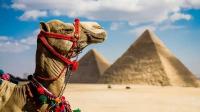
1. Egypt
Egypt is at the forefront of Arab destinations that can't be ignored when discussing tourism. It combines ancient civilization, beaches, historical cities, and desert landscapes in one country.
Visiting Cairo offers the chance to discover the Pyramids, the Sphinx, the Egyptian Museum, and historical areas. Luxor and Aswan offer a different experience for lovers of Ancient Egyptian civilization with temples, tombs, and Nile cruises.
The Red Sea is ideal for relaxation and water sports lovers, thanks to its variety of resorts, beaches, and diving sites. Egypt meets the needs of travelers looking to combine culture, entertainment, and relaxation in one trip.
2. Morocco
Morocco is known for its exceptional diversity, making trips feel like transitions between different worlds. Visitors can start in a historic city, then move to mountainous, desert or coastal areas.
Marrakech, Fes, Meknes, and Rabat are highlighted for their ancient cities, traditional markets, and historical architecture, while Chefchaouen offers a unique visual experience with its alleys and distinctive buildings.
The Atlas and desert areas provide experiences for nature and adventure lovers, while coastal cities offer relaxation options. Morocco's strong tourism performance is evident, recording nearly 20 million visitors in 2025, a 14% increase from 2024.
3. United Arab Emirates
The UAE combines modern tourism with heritage and nature, making it a prominent Arab destination for travelers from around the globe.
Dubai stands out with its modern attractions, shopping experiences, and various entertainment events, while Abu Dhabi offers a mix of culture, arts, beachfronts, and modern landmarks.
The UAE experience is not limited to major cities; Al Ain has become a key destination in 2026 as the Arab Tourism Capital for the year. The area features oases, heritage sites, Jebel Hafeet, and cultural and natural landmarks, recording a 12% increase in hotel guests in the first half of 2025.
4. Saudi Arabia
Saudi tourism has witnessed a significant transformation in recent years, providing an increasing range of destinations blending history, nature, entertainment, and culture.
Al-Ula stands out for history and nature enthusiasts with archaeological sites, rock formations, and desert landscapes. Riyadh offers an urban experience with events, dining, shopping, and culture.
Jeddah combines a seafront, historical heritage, and urban life, while Medina and Mecca offer a unique spiritual and religious experience.
Saudi Arabia's vast size allows for a wide range of experiences from deserts to mountains, coastlines, and modern cities.
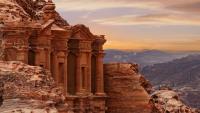
5. Jordan
Despite its smaller size compared to other Arab countries, Jordan offers a rich tourism diversity with varied experiences.
Petra tops the list of iconic sites, being one of the region's most famous archaeological sites, while Wadi Rum offers a different experience for desert, adventure, and natural scenery lovers.
Jordanian tourism extends beyond Petra and Wadi Rum, with the Dead Sea, Jerash, and the historical sites in Amman and Aqaba. This makes Jordan suitable for those seeking a mix of antiquities, nature, and relaxation in one trip.
6. Oman
Oman stands out with a nature that's distinct from many Arab destinations, combining mountains, valleys, deserts, coasts, and historical villages.
Muscat serves as a starting point to explore Omani culture, architecture, and traditional markets, while the mountainous and valley areas offer opportunities for nature and adventure lovers.
The Omani desert provides a unique experience for those who wish to explore sand dunes, while the coasts offer serene sea enjoyment, away from the hustle of major cities.
Oman is particularly suitable for travelers seeking a quieter destination, wishing to combine nature, culture, and local experiences.
7. Tunisia
Tunisia is ideal for those seeking a mix of sea, history, and culture, often at a more affordable cost than other tourist destinations.
The capital and its surroundings are rich in historical landmarks and traditional markets, while Carthage and Sidi Bou Said combine history, architecture, and coastal views.
The coasts attract those seeking relaxation and beaches, while the inland and desert areas offer a different experience for those wanting to stray from traditional tourist paths.
Thus, Tunisia excels in combining a beach holiday with a cultural journey in one destination.
8. Qatar
Qatar has recently emerged as a modern Arab tourist destination, especially with infrastructure development and an increase in sports, cultural, and entertainment events.
Doha offers an experience combining modern architecture, traditional markets, museums, and a seafront. Souq Waqif is particularly noted for giving visitors a glimpse into local culture.
Qatar provides a range of desert and marine activities, alongside events and exhibitions, making it suitable for short trips or weekend vacations.
The small geographic size of the state also makes it easier to visit many attractions during a trip.

9. Lebanon
Lebanon is a standout Arab destination due to its vast diversity within a small geographic area. Travelers can move during the same trip between the sea, mountains, and historic cities.
Beirut is renowned for its cultural life, dining, cafes, and seafront, while Byblos, Tripoli, and Sidon offer experiences tied to history, heritage, and old markets.
The mountainous areas offer different natural settings during summer and winter, with other regions showcasing landscapes and traditional villages.
This diversity enables Lebanon to attract travelers who want a journey combining culture, food, nature, and urban life.
10. Algeria
Algeria deserves a prominent spot among Arab destinations worth exploring due to its vast size and diversity of natural and historical environments.
The capital, Algiers, offers Mediterranean charm and history, while cities like Constantine offer distinctive urban and natural scenes.
In the south, the landscape entirely changes, with the desert stretching out, revealing natural views and rock formations that provide a different trip character away from coastal cities.
Algeria also includes historical sites reflecting the successive civilizations in the region, making it a suitable option for history, culture, and nature lovers simultaneously.
Best Arab Countries for History Lovers
If the primary goal of the trip is to discover civilizations and archaeological sites, Egypt, Jordan, Morocco, Algeria, and Tunisia are among the top choices.
Egypt is famed for its Pharaonic culture, Jordan for Petra and Jerash, Morocco for its historic cities, while Algeria and Tunisia boast numerous sites reflecting the history of North Africa and the Mediterranean.
Best Arab Countries for Nature Lovers
For those seeking nature and adventure, Oman, Jordan, Morocco, Saudi Arabia, and the UAE are prominent.
Oman offers mountains, valleys, deserts, and coasts, Jordan has a mix of deserts, mountains, and the Dead Sea, Morocco's landscapes include mountains, coasts, and deserts, Saudi Arabia boasts expansive natural environments, and the UAE adds desert and mountain experiences alongside urban attractions.
Best Arab Countries for Families
The UAE, Qatar, Saudi Arabia, Egypt, and Morocco are suitable for families, offering a mix of entertainment, culture, nature, and shopping activities.
The UAE excels in family destinations, while Qatar offers relatively short trips with cultural and entertainment activities. In contrast, Egypt and Morocco offer experiences combining tourism and heritage.
Best Time to Visit Arab Countries
There isn't a single season that suits all Arab countries because the climate varies greatly between regions.
Winter is ideal for visiting desert destinations and warmer climate countries like Egypt, the UAE, Saudi Arabia, Oman, and Jordan.
Spring and Autumn are excellent for exploring Morocco, Tunisia, Algeria, and Jordan, while Summer is suitable for coastal destinations or cooler mountainous areas, keeping temperature considerations in mind when planning a trip.
See Also: