


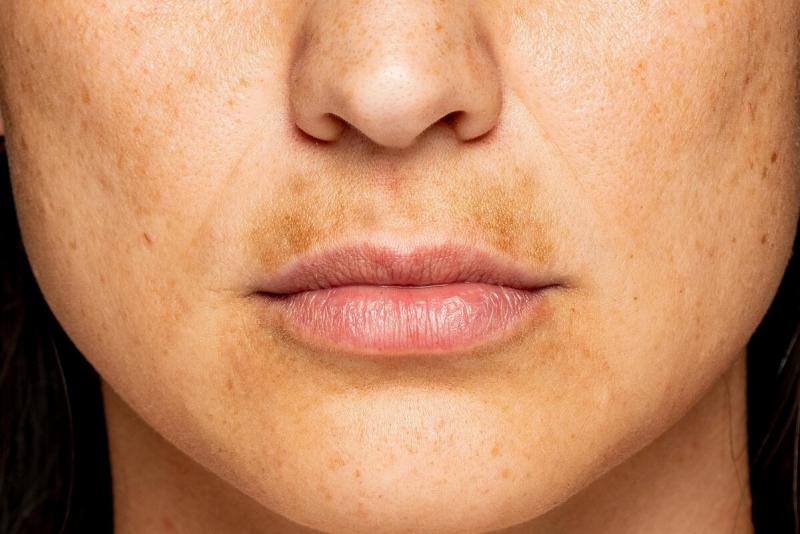
Skin pigmentation is a common dermatological change observed in both men and women, often appearing on the face, hands, neck, or other body parts. It occurs when melanin, the pigment responsible for skin color, increases in a particular area, forming dark spots or patches that differ in tone from the surrounding skin.
Pigmentation can arise from various causes, including external factors like sun exposure or internal bodily changes. Its nature varies from person to person; some may experience pigmentation post-acne healing, injuries, or inflammations, while others may develop it due to sun exposure or as symmetrical patterns like melasma on the face.
Key Causes of Skin Pigmentation
Sun Exposure
Sunlight is a major factor in stimulating melanin production in the skin. Repeated exposure to UV rays and visible light can darken certain areas, particularly the face, hands, and neck. People with pigmentation issues need to protect their skin from the sun to prevent the dark spots from becoming more pronounced.
Hormonal Changes
Hormonal fluctuations can trigger melanocyte activity, notably in melasma cases. This condition is often linked to pregnancy or hormonal contraceptives, affecting areas like the cheeks, forehead, nose, and area above the lip.
Acne Scars
Post-inflammatory hyperpigmentation is common, especially among individuals with darker skin tones, who may see dark spots left by severe acne. Managing inflammation can minimize the appearance of new spots.
Skin Inflammatory Conditions
Certain skin conditions, such as eczema or persistent irritations, may leave dark hues after healing. The American Academy of Dermatology advises using gentle skincare products to avoid exacerbating pigmentation.
Injuries and Trauma
A cut, scratch, insect bite, or infection can lead to dark spots as the skin repairs itself. While the original injury fades, pigmentation may persist but improves gradually over time.
Medications
Some medications, like epilepsy drugs and contraceptives, might increase pigmentation risks. It's not advisable to cease medication without consulting a doctor if skin changes occur.
Harsh Skin Products
Overusing exfoliants or strong products can irritate the skin, leading to persistent pigmentation.
Genetic Factors
Genetics may predispose some individuals to specific pigmentation types, such as melasma. The American Academy of Dermatology notes that a family history of melasma increases susceptibility.
Why Does Pigmentation Often Appear on the Face?
The face is the most sun-exposed part of the body and frequently subjected to cosmetics and caretaking products, making it a common site for pigmentation, especially in melasma cases, where symmetrical patterns are typical.
Is Pigmentation Always a Health Concern?
Not necessarily, as most pigmentation results from common skin issues like sun exposure or post-inflammatory responses. However, some skin color changes, like thick, velvety patches on the neck or armpits (acanthosis nigricans), can indicate more serious conditions like insulin resistance.
When to See a Dermatologist for Pigmentation?
Consult a dermatologist if new or unexplained pigmentation occurs, spreads quickly, or doesn't improve with standard care. Seek medical advice if spots are accompanied by notable skin changes or appear in creases with unusual thickness.
For more information, exploring topics such as home acne remedies and ways to treat acne can be beneficial.