


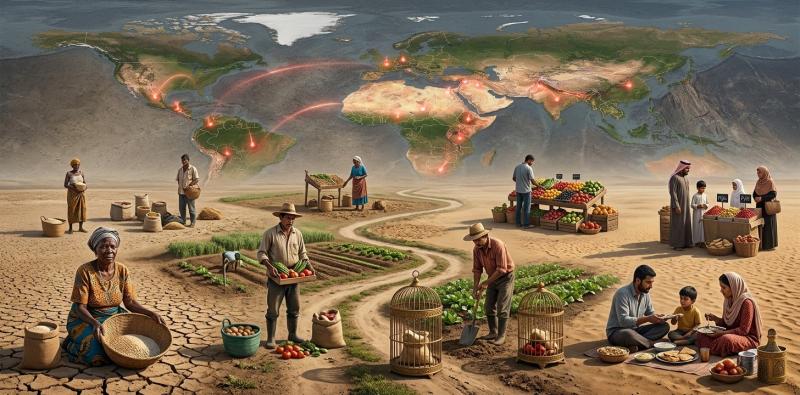
Global food markets are currently experiencing a myriad of concurrent factors that are putting pressure on production costs, transportation, and imports. These include heatwaves, droughts, international trade disruptions, and geopolitical tensions, along with weaker local currencies in several economies.
The Food and Agriculture Organization (FAO) data showed that the global food price index rose to 133.3 points in August 2026, marking its highest level since late 2022. Prices of all major food commodity groups, including cereals, vegetable oils, sugar, meat, and dairy products, also increased.
A rise in the global index does not necessarily mean that all countries are facing the same rate of inflation, as local prices are also impacted by exchange rates, government subsidies, transportation costs, and the degree of reliance on imports.
Top 10 Countries with the Highest Food Price Increases
The ranking of countries varies depending on the data, time period, and methodology used. It's important to distinguish between food price inflation and general consumer price inflation. Below are key economies that appear on high inflation lists for 2026, focusing on countries facing strong pressures on food prices.
1. Venezuela
Venezuela remains one of the most severely inflation-hit economies in 2026. Recent data indicates that overall annual inflation reached over 534% in August, according to Reuters' calculations based on Venezuelan central bank data, although monthly inflation declined during the same month.
This situation directly affects purchasing power and the costs of basic goods, especially due to ongoing pressures on currency and the local economy. Thus, it's important not to confuse this extremely high general inflation figure with a standalone food inflation figure.
2. Sudan
Sudan is facing significant economic and humanitarian pressures, which have impacted prices and supply chains. According to estimates based on International Monetary Fund (IMF) data, Sudan ranks among the highest inflation economies globally in 2026, with an approximate rate of 75.1%.
Internal turmoil and production and transportation issues exacerbate difficulties in bringing food products to markets, increasing the risk of price hikes and shortages of certain goods.
3. Iran
Iran is among the economies facing high inflation in 2026, with overall inflation estimated at around 68.9%, based on recent IMF data.
Prices of goods in the Iranian market are influenced by multiple factors, including currency weakness, sanctions, and trade and import difficulties. Rising costs of transportation and production also contribute, and regional tensions may further disrupt supply chains.
4. Argentina
Despite major economic shifts, Argentina continues to face high inflation compared to most global economies, with 2026 estimates placing overall inflation at approximately 30.4%.
Food prices have a direct impact on households, particularly amidst accumulating increases in the costs of goods and services, changes in exchange rates, and economic policies.
5. Turkey
Turkey ranks high among countries with elevated inflation rates, with 2026 inflation estimated at around 28.6% according to IMF data.
Regarding food inflation, numbers from May 2026 revealed Turkey registered an annual growth rate in food prices of approximately 34.55%, placing it fourth globally in that classification, following Venezuela, South Sudan, and Iran. Price increases in Turkey are linked to factors including the weak lira, production costs, energy expenses, and agricultural inputs.
6. Yemen
Yemen faces significant challenges related to food security and supply chains, appearing among high-inflation economies in 2026, with overall inflation estimated at around 26.5%.
The economic and security conditions, along with the heavy reliance on imports, make food prices highly sensitive to any increases in transportation costs or disruptions in international trade.
7. Malawi
Malawi is under constant pricing pressure due to economic and climatic factors, with 2026 inflation data estimating overall inflation at approximately 24.4%. Climate shocks, weak agricultural production, and high import costs increase pressures on food prices, particularly in an economy heavily reliant on the agricultural sector.
8. Haiti
Haiti is also among the economies facing high inflation, with 2026 overall inflation projected at about 23.5%. Political and security disturbances, along with transport and supply issues, make it more difficult to bring products to markets, affecting food and essential commodity prices.
9. Bolivia
Bolivia is on the list of economies with high inflation rates in 2026 forecasts, with a general inflation rate estimated at about 20.7%. Import costs, exchange rates, and the availability of some goods impact local prices, and climate shocks can add pressure on agricultural products.
10. Myanmar
Myanmar ranks highly on inflation lists for 2026, with projections indicating a general rate of approximately 19%. Economic conditions and internal disturbances affect production, trade, and transport, complicating price stability for basic goods.
Which Food Commodities Saw the Highest Global Increases in 2026?
Not all products rise at the same pace, with some groups experiencing larger jumps over recent periods.
Sugar
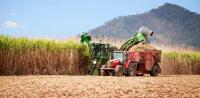
Sugar was among the commodities with a significant global increase in August 2026, with its index jumping by 11.9% in a single month due to weather and production concerns in several key producing regions.
Cereals and Wheat
Cereal prices saw a notable increase, with the cereal price index reaching its highest level in several years, linked to concerns over crop production, Black Sea export disruptions, and heatwaves in some producing countries.
Vegetable Oils
The price of vegetable oils continued to rise, driven by factors including global demand and the prices of palm and soybean oils, along with developments in energy and biofuel markets. This category reached its highest level since June 2022, according to FAO data.
Meats and Dairy Products
Meat and dairy prices also experienced movements in 2026, although not uniformly across all products. In July, the meat price index fell on a monthly basis, while the dairy index also decreased before August data indicated a broad rise in most food categories.
Causes of Global Food Price Increases
Several factors intersect in determining food prices, and the inflation wave cannot be attributed to a single factor.
- Weather and Climate Change: Droughts, heatwaves, and erratic rainfall reduce crop production and raise raw material costs.
- Wars and Geopolitical Tensions: Conflicts can disrupt trade routes and export ports, especially in key regions for grain and energy trade.
- Transport and Energy Costs: Rising fuel and shipping costs gradually transform into higher food transportation costs from producer to consumer.
- Declining Local Currencies: When currency values fall, food imports become costlier, particularly in countries heavily reliant on importing a substantial portion of their needs.
- Supply Chain Disruptions: Delayed shipments, increased insurance costs, or shortages of some inputs raise the cost of final products.
Do Food Prices Rise at the Same Rate in All Countries?
The answer is no; global markets may register a specific rise in cereal or sugar prices while the impact on the final consumer varies from one country to another.
Differences arise from government policies, subsidies, exchange rates, local production volumes, and the degree of dependence on imports. Therefore, comparing food inflation across countries requires a standardized index and a defined time period, rather than mixing monthly and annual figures or between food and general inflation.
The World Bank explains that the Global Inflation Database includes separate indicators for consumer, food, energy inflation, and more, underscoring the importance of specifying the index when making international comparisons.
In conclusion, 2026 data reveals ongoing pressures on food prices, but the situation varies by country, based on currency strength, local production, import reliance, and political and climatic conditions.
Globally, the FAO's index recorded a marked increase in August 2026, reaching its highest point since late 2022, indicating that the price crisis hasn't fully subsided, though its intensity differs across markets.
Also See
Top 10 Countries with Largest Gas Reserves